
The Importance of NIPP DNA Test
Non-Invasive Prenatal Paternity (NIPP) DNA testing is a groundbreaking method that allows for paternity testing before the baby is born without the need for invasive procedures. This test has revolutionized the way paternity can be determined during pregnancy, offering a safe and reliable option for families seeking clarity and peace of mind.
How Does NIPP DNA Test Work?
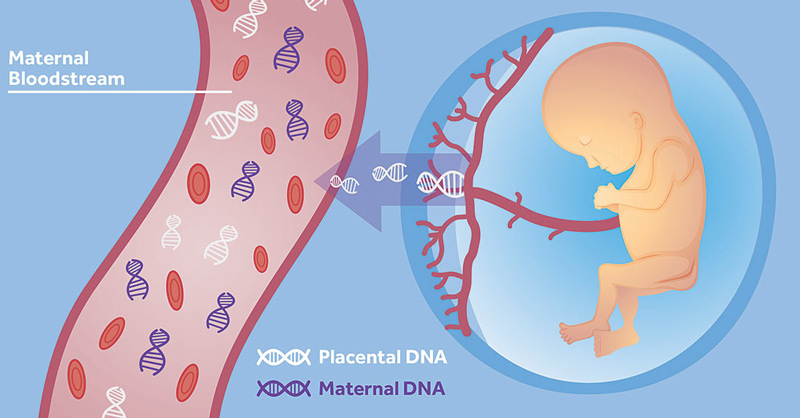
NIPP DNA testing analyzes cell-free fetal DNA present in the mother’s bloodstream to determine paternity. This non-invasive method involves a simple blood draw from the mother, making it a safe and stress-free option compared to traditional invasive prenatal tests like amniocentesis or chorionic villus sampling.
The Benefits of NIPP DNA Test
One of the key benefits of NIPP DNA testing is its high accuracy rate, often exceeding 99%. This provides expectant parents with confidence in the results and eliminates the need for risky procedures that can pose potential harm to both the mother and fetus.
Additionally, NIPP DNA testing offers early detection of paternity, allowing families to plan for the future with certainty. It can also help establish legal rights and responsibilities before the baby is born, ensuring a smooth transition into parenthood.
Conclusion
In conclusion, Non-Invasive Prenatal Paternity (NIPP) DNA testing is a game-changer in the field of paternity determination during pregnancy. Its safety, accuracy, and convenience make it an invaluable tool for families looking to confirm paternity early on and make informed decisions for their future. Consider opting for NIPP DNA testing if you are seeking prenatal paternity confirmation without invasive procedures.
Top 8 FAQs About NIPP DNA Testing: Coverage, Timing, Accuracy, and More
- Does insurance cover a NIPP test?
- Can your obgyn do a nipp test?
- How early can you get a NIPP test?
- What is the best DNA test while pregnant?
- How much does it cost to get a DNA test while pregnant?
- Can I do a nipp test at home?
- How accurate is a NIPP DNA test?
- How does the NIPP paternity test work?
Does insurance cover a NIPP test?
The coverage of Non-Invasive Prenatal Paternity (NIPP) testing by insurance varies depending on the specific policy and provider. In many cases, insurance companies may not cover NIPP testing as it is often considered an elective procedure rather than a medically necessary one. However, it is advisable to check with your insurance provider directly to inquire about coverage options and potential reimbursement for NIPP testing. Some individuals may choose to explore alternative payment options or financing plans if insurance does not cover the cost of the test.
Can your obgyn do a nipp test?
Many people wonder if their OBGYN can perform a Non-Invasive Prenatal Paternity (NIPP) test. While OBGYNs are experts in prenatal care, NIPP testing for paternity is typically not within their scope of practice. NIPP DNA testing requires specialized equipment and expertise that are usually provided by accredited laboratories or specialized testing facilities. It is important to consult with a genetics counselor or a reputable DNA testing provider to determine the best approach for obtaining a NIPP test for paternity confirmation during pregnancy.
How early can you get a NIPP test?
The Non-Invasive Prenatal Paternity (NIPP) test can typically be conducted as early as the 8th week of pregnancy. This early timing allows expectant parents to determine paternity with a high level of accuracy before the baby is born. The convenience and non-invasive nature of the NIPP test make it a popular choice for families seeking early confirmation of paternity without the need for risky invasive procedures. It is important to consult with a healthcare provider or a reputable testing facility to ensure that the test is performed at the optimal time during pregnancy for accurate results.
What is the best DNA test while pregnant?
When considering DNA testing during pregnancy, the Non-Invasive Prenatal Paternity (NIPP) DNA test is often regarded as the best option. This innovative method allows for accurate paternity testing without the need for invasive procedures, offering a safe and reliable way to determine paternity before the baby is born. With its high accuracy rate and non-invasive nature, NIPP DNA testing provides expectant parents with peace of mind and clarity regarding paternity while prioritizing the safety and well-being of both the mother and fetus.
How much does it cost to get a DNA test while pregnant?
When it comes to getting a DNA test while pregnant, such as the Non-Invasive Prenatal Paternity (NIPP) DNA test, the cost can vary depending on the provider and the specific type of test being conducted. Generally, NIPP DNA testing tends to be more expensive than traditional postnatal DNA testing due to the specialized nature of prenatal testing methods. It is recommended to research different providers and inquire about their pricing structures to get a better understanding of the costs involved in obtaining a DNA test while pregnant.
Can I do a nipp test at home?
The Non-Invasive Prenatal Paternity (NIPP) DNA test is a specialized procedure that typically needs to be conducted in a controlled laboratory setting by trained professionals. Due to the complexity and precision required for accurate results, performing a NIPP test at home is not recommended. It is essential to ensure the reliability and validity of the test results, which can best be achieved through professional testing services that adhere to strict quality standards. Consulting with a reputable testing facility or healthcare provider is advised for those considering a NIPP DNA test to guarantee the accuracy and integrity of the results.
How accurate is a NIPP DNA test?
The accuracy of a NIPP DNA test is remarkably high, often exceeding 99%. This level of accuracy provides expectant parents with confidence in the results and reassurance in the paternity determination process. By analyzing cell-free fetal DNA present in the mother’s bloodstream, NIPP testing offers a reliable method for establishing paternity before the baby is born. This high level of accuracy not only gives families peace of mind but also eliminates the need for invasive prenatal procedures that may carry risks for both the mother and fetus.
How does the NIPP paternity test work?
The NIPP paternity test, or Non-Invasive Prenatal Paternity test, works by analyzing cell-free fetal DNA present in the mother’s bloodstream to determine paternity. This innovative method eliminates the need for invasive procedures like amniocentesis or chorionic villus sampling, offering a safe and reliable option for expectant parents seeking paternity confirmation during pregnancy. By simply drawing a blood sample from the mother, the NIPP test can accurately identify the biological father with a high level of certainty, providing families with peace of mind and clarity before the baby is born.