
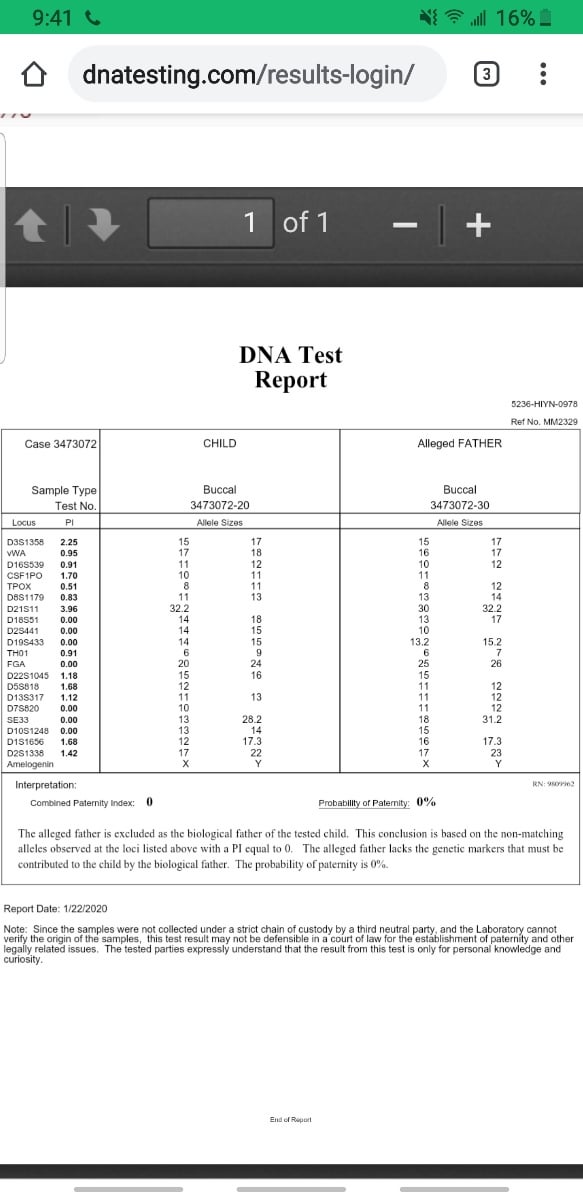
The Controversy of DNA Testing Without the Father’s Knowledge
DNA testing has become increasingly popular for various reasons, including determining paternity. However, the issue of conducting a DNA test without the father’s knowledge raises ethical and legal concerns.
Why Would Someone Consider a DNA Test Without the Father Knowing?
There are situations where a mother or another family member may consider conducting a DNA test without informing the father. This could be due to doubts about paternity, concerns about legal issues, or even for personal reasons.
Legal Implications
In many jurisdictions, performing a DNA test without the father’s consent may be illegal. It can infringe upon an individual’s right to privacy and genetic information. Legal consequences could arise if the test is conducted without proper authorization.
Ethical Considerations
Ethically, conducting a DNA test without informing the father raises questions about honesty, transparency, and respect for autonomy. It can have significant emotional and psychological impacts on all parties involved.
Alternatives to Consider
If there are doubts about paternity or a need for genetic testing, it is advisable to have open and honest communication with all parties involved. Counseling and legal advice can also help navigate these sensitive issues in a responsible and respectful manner.
Conclusion
While DNA testing can provide valuable information, it is essential to approach it with caution and consideration for everyone’s rights and well-being. Transparency, communication, and ethical behavior should guide decisions regarding genetic testing to ensure that all parties are treated with respect and dignity.
6 Essential Tips for Conducting a Discreet DNA Test Without the Father’s Knowledge
- Consider using a discreet DNA testing kit that is specifically designed for at-home use without the father’s knowledge.
- Ensure that the DNA sample you collect for testing is from a reliable and viable source, such as hair with roots or cheek swabs.
- Handle the DNA samples carefully to prevent contamination and ensure accurate results.
- Choose a reputable and confidential DNA testing service to protect your privacy and the confidentiality of the results.
- Be prepared for potential legal and ethical implications if the test results reveal sensitive information without the father’s consent.
- Seek professional guidance or counseling to understand the emotional impact of conducting a secret DNA test.
Consider using a discreet DNA testing kit that is specifically designed for at-home use without the father’s knowledge.
When considering a DNA test without the father’s knowledge, it may be beneficial to explore discreet DNA testing kits that are explicitly designed for at-home use while maintaining confidentiality. These specialized kits offer a private and convenient option for individuals seeking paternity answers without involving the father directly. By using a discreet DNA testing kit, individuals can navigate sensitive situations with discretion and respect for privacy.
Ensure that the DNA sample you collect for testing is from a reliable and viable source, such as hair with roots or cheek swabs.
When considering a DNA test without the father’s knowledge, it is crucial to ensure that the DNA sample collected for testing is from a reliable and viable source. Opting for samples like hair with roots or cheek swabs can provide accurate and trustworthy results. These sources contain intact DNA that can be effectively analyzed, minimizing the risk of errors or inconclusive outcomes. By selecting the right sample type, you can enhance the reliability of the test and obtain valuable information with confidence.
Handle the DNA samples carefully to prevent contamination and ensure accurate results.
Handling DNA samples carefully is crucial when conducting a test without the father’s knowledge. Contamination can lead to inaccurate results, potentially causing confusion and distress for all parties involved. By following proper procedures and ensuring strict protocols are in place, the integrity of the DNA samples can be maintained, ultimately leading to reliable and conclusive outcomes. It is essential to prioritize accuracy and precision in handling DNA samples to uphold the ethical standards of genetic testing practices.
Choose a reputable and confidential DNA testing service to protect your privacy and the confidentiality of the results.
When considering a DNA test without the father’s knowledge, it is crucial to choose a reputable and confidential DNA testing service to safeguard your privacy and the confidentiality of the results. By selecting a trusted provider, you can ensure that your personal information remains secure and that the testing process is conducted with professionalism and discretion. Prioritizing confidentiality not only protects your privacy but also upholds ethical standards in handling sensitive genetic information.
Be prepared for potential legal and ethical implications if the test results reveal sensitive information without the father’s consent.
It is crucial to be aware of the potential legal and ethical implications that may arise if a DNA test is conducted without the father’s knowledge and sensitive information is revealed in the results. In many jurisdictions, such actions can have legal consequences due to privacy concerns and the unauthorized disclosure of genetic information. Ethically, revealing sensitive information without consent can breach trust and raise questions about respect for individual autonomy. It is important to consider these implications carefully before proceeding with a DNA test without the father’s consent to avoid any unintended consequences.
Seek professional guidance or counseling to understand the emotional impact of conducting a secret DNA test.
Seeking professional guidance or counseling is crucial when considering conducting a secret DNA test without the father’s knowledge. A trained counselor can provide valuable insight into the emotional impact of such actions on all parties involved. Understanding the potential consequences and exploring alternative approaches with the help of a professional can help navigate this sensitive situation with empathy and care.