
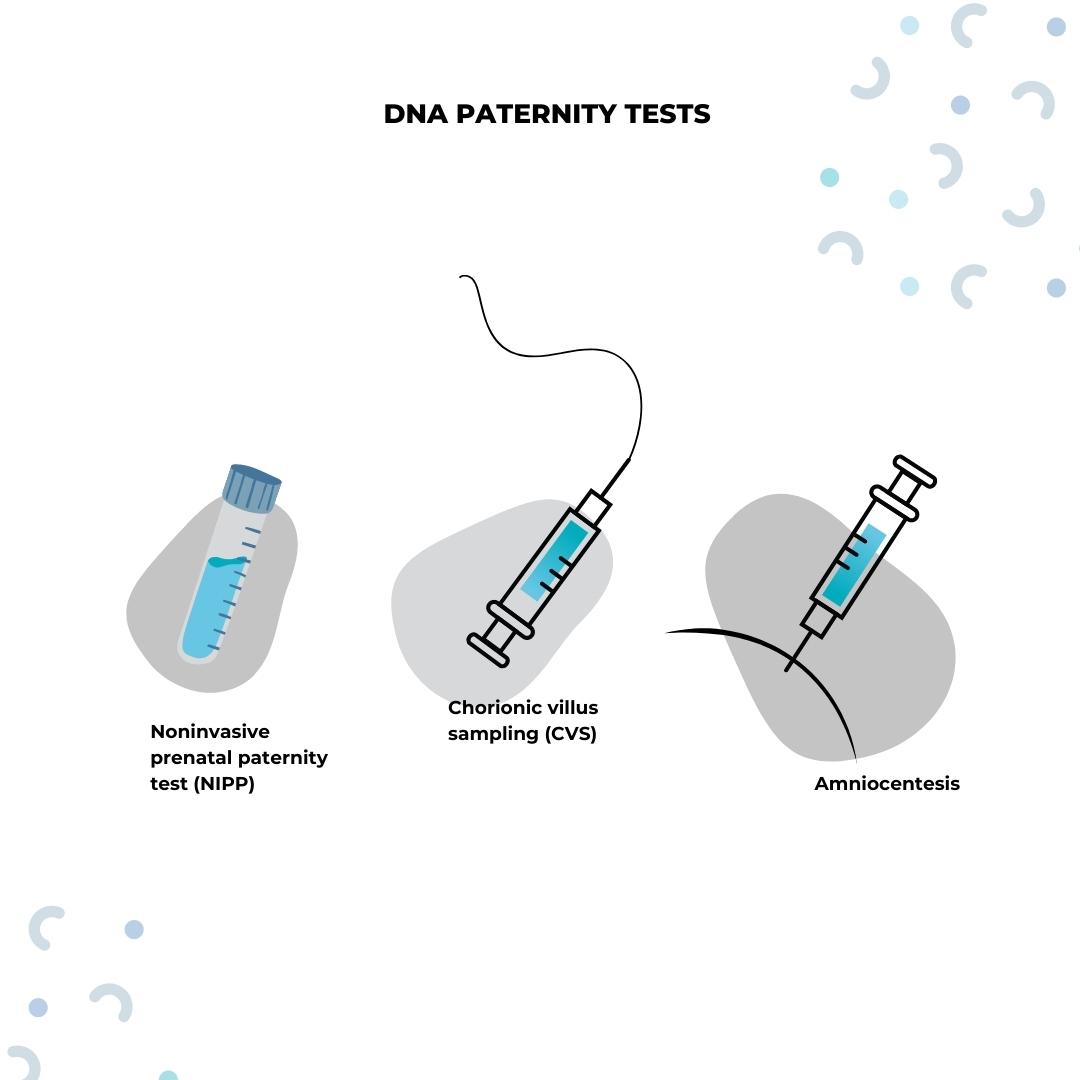
The Advantages of Noninvasive Prenatal Paternity Testing (NIPP)
Noninvasive prenatal paternity testing, commonly referred to as NIPP, has revolutionized the way paternity can be determined before a child is born. This innovative technology offers numerous advantages over traditional invasive methods, providing expectant parents with a safe and reliable option for establishing paternity early in pregnancy.
How Does NIPP Work?
NIPP utilizes advanced DNA analysis techniques to determine paternity by analyzing cell-free fetal DNA present in the mother’s bloodstream. This noninvasive approach eliminates the need for invasive procedures such as amniocentesis or chorionic villus sampling, which carry a small risk of complications.
The Benefits of NIPP
One of the key advantages of NIPP is its safety for both the mother and the developing fetus. Since the test only requires a simple blood draw from the mother, there is no risk of harm to the pregnancy. Additionally, NIPP can be performed as early as 8 weeks into pregnancy, providing expectant parents with timely results.
Another benefit of NIPP is its high accuracy rate, typically exceeding 99%. This level of reliability gives parents confidence in the results and helps them make informed decisions about their future plans and preparations for the child.
Empowering Expectant Parents
NIPP empowers expectant parents by offering them a noninvasive and stress-free way to establish paternity early in pregnancy. This can have significant emotional and practical benefits, allowing parents to bond with their child even before birth and make important decisions regarding parental rights and responsibilities.
Conclusion
Noninvasive prenatal paternity testing represents a groundbreaking advancement in modern genetics, providing a safe, accurate, and convenient method for determining paternity during pregnancy. With its numerous benefits and high reliability, NIPP offers expectant parents peace of mind and clarity as they prepare for the arrival of their child.
Everything You Need to Know About Noninvasive Prenatal Paternity (NIPP) Testing: FAQs Answered
- What is the cost of NIPP?
- When can NIPP test be done?
- How many markers does a noninvasive prenatal paternity test look at?
- Can my OB do a nipp test?
- How accurate is noninvasive prenatal paternity test NIPP?
- Why is NIPT controversial?
- What is a noninvasive prenatal nipp?
- Can I do a nipp test at home?
What is the cost of NIPP?
The cost of noninvasive prenatal paternity testing (NIPP) can vary depending on the provider and the specific services included in the test package. Generally, NIPP is considered more affordable than invasive prenatal procedures such as amniocentesis or chorionic villus sampling. The cost typically ranges from a few hundred to a few thousand dollars, with some providers offering payment plans or financial assistance options. It is important for expectant parents to research different NIPP providers, compare pricing structures, and inquire about any additional fees that may apply to ensure they are making an informed decision based on their budget and needs.
When can NIPP test be done?
The noninvasive prenatal paternity testing (NIPP) can typically be done as early as 8 weeks into the pregnancy. This early timing allows expectant parents to obtain accurate and reliable results at a relatively early stage of gestation. By offering the NIPP test starting from the 8th week of pregnancy, individuals have the opportunity to establish paternity sooner, providing them with valuable information and peace of mind as they navigate their journey towards parenthood.
How many markers does a noninvasive prenatal paternity test look at?
A noninvasive prenatal paternity test typically looks at a panel of highly informative genetic markers to determine paternity with a high degree of accuracy. The number of markers analyzed can vary depending on the testing laboratory and technology used, but most tests examine multiple markers to ensure reliable results. By analyzing these specific genetic markers, the test can establish a strong genetic connection between the alleged father and the fetus, providing expectant parents with valuable information about paternity early in pregnancy.
Can my OB do a nipp test?
Many expectant parents wonder if their obstetrician can perform a noninvasive prenatal paternity (NIPP) test. While obstetricians play a crucial role in prenatal care and monitoring the health of both the mother and the fetus, NIPP testing is typically conducted by specialized laboratories that have the expertise and technology to analyze cell-free fetal DNA in the mother’s bloodstream. These laboratories follow strict protocols to ensure accurate and reliable results, making them the preferred choice for NIPP testing. Obstetricians can provide guidance and support regarding NIPP testing options and help facilitate the process for expectant parents seeking to determine paternity before their child is born.
How accurate is noninvasive prenatal paternity test NIPP?
The accuracy of noninvasive prenatal paternity testing, or NIPP, is typically very high, with a reported accuracy rate that often exceeds 99%. This level of accuracy is achieved through advanced DNA analysis techniques that analyze cell-free fetal DNA present in the mother’s bloodstream. The reliability of NIPP results gives expectant parents confidence in the paternity determination and allows them to make informed decisions regarding parental rights and responsibilities early in pregnancy. The high accuracy rate of NIPP makes it a trusted and valuable tool for establishing paternity before the child is born.
Why is NIPT controversial?
Noninvasive prenatal paternity testing (NIPP) has sparked controversy due to ethical considerations surrounding the early determination of paternity and potential implications for family dynamics. Critics argue that NIPP may disrupt relationships and challenge traditional notions of parenthood, especially in cases where unexpected results are revealed. Additionally, concerns have been raised about the privacy and security of sensitive genetic information obtained through NIPP. The debate over the ethical, legal, and social implications of NIPP continues to shape discussions within the medical and legal communities as well as among expectant parents considering this innovative technology.
What is a noninvasive prenatal nipp?
A noninvasive prenatal paternity test, often referred to as NIPP, is a cutting-edge genetic test that allows expectant parents to determine paternity before the baby is born without the need for invasive procedures. This innovative test analyzes cell-free fetal DNA present in the mother’s bloodstream to accurately establish paternity with a high level of reliability. By simply drawing a blood sample from the mother as early as 8 weeks into pregnancy, NIPP provides a safe, convenient, and accurate method for determining paternity, empowering parents with valuable information and peace of mind during this special time.
Can I do a nipp test at home?
While noninvasive prenatal paternity testing (NIPP) offers a convenient and safe way to determine paternity before a child is born, it is important to note that NIPP tests cannot be conducted at home. This advanced DNA analysis requires specialized equipment and expertise to ensure accurate results. NIPP tests must be performed by certified laboratories that adhere to strict quality control standards to guarantee the reliability of the findings. Therefore, it is essential to consult with a healthcare provider or a reputable testing facility to schedule a NIPP test and receive professional guidance throughout the process.