
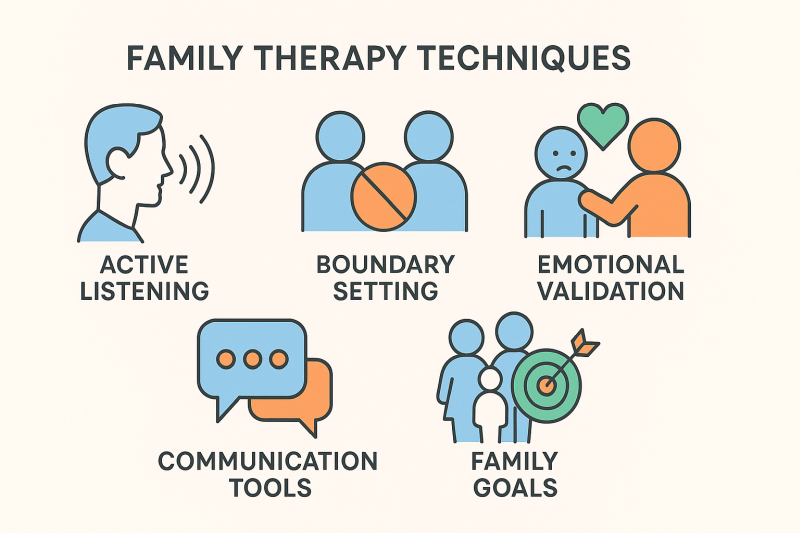
The Importance of Counseling for Family Problems
Family problems can arise in any household, whether it be due to communication breakdowns, conflicts between family members, financial stress, or other issues. When these problems start to impact the well-being and harmony of the family, seeking counseling can be a valuable solution.
Benefits of Family Counseling
Family counseling provides a safe and supportive environment where all family members can express their thoughts and feelings openly. A trained counselor facilitates discussions, helps identify underlying issues, and guides the family towards finding constructive solutions.
Some key benefits of family counseling include:
- Improved Communication: Counseling sessions can enhance communication skills within the family, leading to better understanding and empathy among members.
- Conflict Resolution: Counselors assist families in resolving conflicts in a healthy manner, reducing tension and fostering reconciliation.
- Strengthened Relationships: Through counseling, families can rebuild trust, strengthen bonds, and create a more supportive environment for each member.
- Coping Strategies: Families learn effective coping strategies to deal with stressors and challenges that may arise in their daily lives.
- Emotional Support: Counseling offers emotional support to individuals facing difficult situations within the family unit, promoting mental well-being for all.
Seeking Help
If your family is experiencing challenges that seem overwhelming or persistent, reaching out for professional help through family counseling can make a significant difference. Trained counselors are equipped to address a wide range of issues and provide tailored guidance to suit your family’s needs.
Remember that seeking help is not a sign of weakness but rather a proactive step towards creating a healthier and happier family dynamic. With the right support and guidance, families can navigate through tough times and emerge stronger together.
7 Essential Tips for Effective Family Counseling and Communication
- Listen actively to each family member’s perspective.
- Encourage open and honest communication within the family.
- Set aside dedicated time for family meetings or discussions.
- Respect each other’s opinions and feelings, even if they differ from your own.
- Seek professional help from a counselor or therapist if needed.
- Practice empathy and try to understand where each family member is coming from.
- Work together towards finding solutions and compromises that benefit the whole family.
Listen actively to each family member’s perspective.
Active listening is a crucial aspect of effective family counseling. By actively listening to each family member’s perspective, counselors can help foster understanding, empathy, and communication within the family unit. Encouraging every individual to express their thoughts and feelings without judgment creates a safe space for open dialogue and can lead to resolving conflicts and building stronger relationships. Active listening allows each family member to feel heard and valued, paving the way for constructive discussions and collaborative problem-solving.
Encourage open and honest communication within the family.
Encouraging open and honest communication within the family is a crucial tip when seeking counseling for family problems. By fostering an environment where all members feel comfortable expressing their thoughts and feelings without fear of judgment, families can address underlying issues more effectively. Open communication promotes understanding, empathy, and mutual respect among family members, laying the foundation for productive discussions and positive outcomes in counseling sessions. When everyone has a voice and feels heard, it paves the way for healing, growth, and stronger relationships within the family unit.
Set aside dedicated time for family meetings or discussions.
Setting aside dedicated time for family meetings or discussions is a valuable tip when seeking counseling for family problems. By establishing regular sessions to come together and communicate openly, families can create a safe space to address issues, share concerns, and work towards solutions collaboratively. This intentional time allows each member to feel heard, promotes transparency, and fosters a sense of unity within the family. Through structured meetings, families can build stronger relationships, improve understanding, and strengthen their bond as they navigate through challenges together with the guidance of a counselor.
Respect each other’s opinions and feelings, even if they differ from your own.
In family counseling, it is crucial to respect each other’s opinions and feelings, even when they may differ from your own. By acknowledging and valuing the perspectives of all family members, a sense of mutual understanding and empathy can be fostered. This practice creates a safe space for open communication and promotes a collaborative environment where conflicts can be addressed constructively. Embracing diverse viewpoints within the family not only strengthens relationships but also paves the way for effective problem-solving and resolution of issues that may arise.
Seek professional help from a counselor or therapist if needed.
When facing challenging family issues, it is crucial to seek professional help from a counselor or therapist if needed. These trained professionals offer valuable insights, guidance, and support to navigate through complex emotions and conflicts within the family unit. By reaching out to a counselor or therapist, families can access specialized expertise and tailored strategies to address their specific concerns effectively. Seeking professional help demonstrates a proactive approach towards resolving family problems and fostering a healthier and more harmonious environment for all members involved.
Practice empathy and try to understand where each family member is coming from.
To effectively address family problems through counseling, it is essential to practice empathy and strive to understand the perspectives of each family member. By empathizing with their feelings, experiences, and viewpoints, individuals can foster a sense of connection and mutual understanding within the family unit. This empathetic approach encourages open communication, promotes emotional validation, and lays the foundation for constructive problem-solving. Through empathy, families can navigate conflicts with compassion and respect, ultimately strengthening their relationships and creating a supportive environment for all members to thrive.
Work together towards finding solutions and compromises that benefit the whole family.
When facing family problems, it is essential to work together towards finding solutions and compromises that benefit the whole family. By fostering a collaborative approach, family members can actively participate in resolving issues, understanding each other’s perspectives, and creating a harmonious environment. Emphasizing the collective well-being of the family ensures that decisions are made with everyone’s best interests in mind, leading to stronger relationships and a more supportive familial bond.