
Postnatal Paternity Tests: What to Know
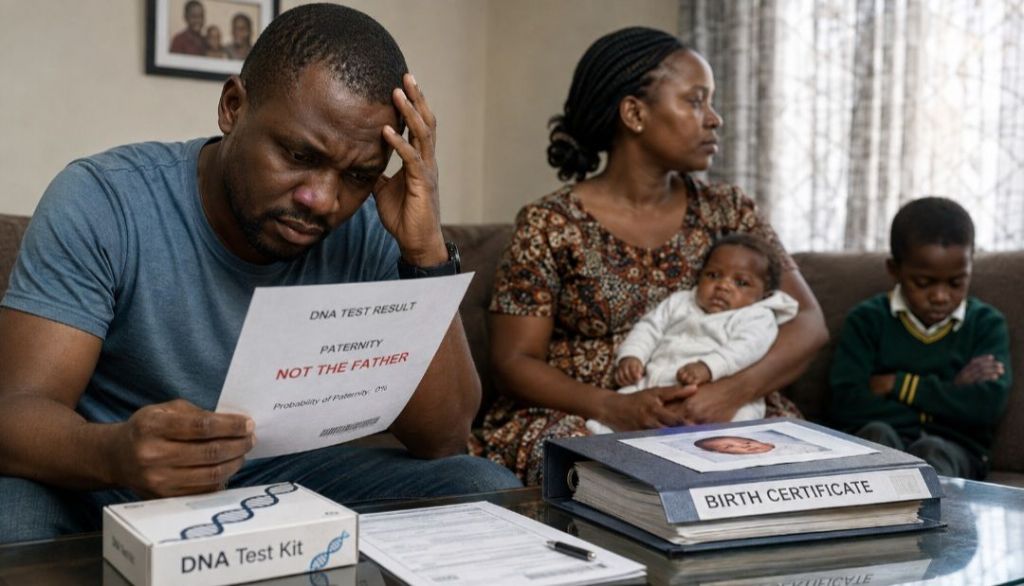
A postnatal paternity test is a DNA test performed after a child is born to determine whether a particular person is the child’s biological father. “Postnatal” simply means the test takes place after birth. In many cases, testing involves collecting cheek-cell samples from the child and the alleged father.
How a postnatal paternity test works
A laboratory compares specific DNA markers in the child’s sample with those in the alleged father’s sample. A child inherits half of their DNA from each biological parent, so the pattern of markers can indicate whether the tested man is the biological father.
For a standard test, a trained collector—or the individuals following a home-kit’s instructions—gently rubs a swab against the inside of each person’s cheek. The samples are sent to a laboratory for analysis. The process is usually noninvasive and does not require a blood draw.
At-home tests and legal tests
There are two common types of postnatal paternity tests:
- At-home, or informational, testing: Samples are collected privately, often using a kit ordered from a testing provider. These tests can provide personal information, but the results may not be accepted by a court or government agency because the identities of the people tested and the handling of the samples may not have been independently verified.
- Legal paternity testing: Samples are collected by an authorized professional who verifies each participant’s identity and documents how the samples are handled. This documented process, often called a chain of custody, may be required when results will be used in a court case or for an official matter. Requirements vary, so check with the relevant court, agency, or attorney before arranging testing.
A home test may not be convertible into a legal test after the fact. If the results might be needed for a legal or administrative purpose, ask the receiving court or agency what testing process and laboratory it accepts before samples are collected.
Accuracy and limitations
Laboratories generally report a probability of paternity when their analysis supports a biological relationship, or exclude the tested man when the results rule him out. The exact wording and reported figures vary by laboratory. Results depend on properly identified, uncontaminated samples and appropriate laboratory procedures.
A test comparing a child with one alleged father does not identify every possible biological father. If close male relatives—such as brothers or a father and son—could be the biological father, tell the laboratory. Additional testing or interpretation may be needed.
Consent and testing children
Testing a child involves sensitive personal information. Before ordering a test, confirm who is legally authorized to consent for the child and whether any other person’s consent is required. Rules can depend on the child’s age, who has parental responsibility, and the purpose of the test. Do not collect or submit someone’s DNA without proper authorization.
Choosing a testing provider
Before purchasing a test, ask the provider:
- Whether the test is informational or suitable for legal use.
- How identities are verified and samples are collected.
- Which laboratory performs the analysis and what quality standards it follows.
- How results are delivered, how long testing usually takes, and what fees apply.
- How genetic information and samples are stored, shared, or destroyed.
What happens after the results?
Paternity results can have personal, emotional, and legal consequences. Consider discussing the results with a qualified professional if they may affect parenting arrangements, child support, birth records, inheritance, or other legal matters. A DNA test does not, by itself, explain what legal rights or responsibilities apply; those depend on the circumstances and applicable law.
A postnatal paternity test can offer clarity, but choosing the right testing process matters. For court or agency use, confirm the requirements in advance and seek legal guidance when needed. This article is for general information and is not legal or medical advice.
6 Essential Tips for Conducting a Postnatal Paternity Test
- Choose an accredited DNA testing lab.
- Check whether the test is for personal or legal use.
- Get required consent from the child’s legal guardian.
- Follow the lab’s instructions for collecting cheek swabs.
- Use a witnessed, documented collection for court purposes.
- Ask the lab or a qualified professional about interpreting results.
Choose an accredited DNA testing lab.
Choose an accredited DNA testing laboratory to help ensure your postnatal paternity test is handled and analyzed according to recognized quality standards. Before ordering, verify the lab’s current accreditation directly with the accrediting organization, and ask whether the test is intended for personal information or can meet legal requirements. If you need results for court or an agency, confirm its rules in advance, since proper identity checks and documented sample handling may be required.
Check whether the test is for personal or legal use.
Before ordering a postnatal paternity test, decide whether the results are for personal information or legal use. At-home tests may offer private answers, but their results might not be accepted by a court or government agency because identities and sample handling may not be independently verified. If you expect to use the results in a legal matter, contact the court or agency first and choose a test with verified identity checks and a documented chain of custody.
Get required consent from the child’s legal guardian.
Before arranging a postnatal paternity test, make sure the child’s legal guardian has given any consent required by law and by the testing provider. Who may consent can depend on the child’s age, custody arrangements, and the purpose of the test. If you’re unsure who is authorized to approve testing, check with the provider or consult a qualified legal professional before collecting or submitting a sample.
Follow the lab’s instructions for collecting cheek swabs.
Follow the laboratory’s instructions carefully when collecting cheek swabs for a postnatal paternity test. Proper collection helps prevent contamination and ensures the lab receives usable samples. Check who needs to provide a sample, whether anyone should avoid eating or drinking beforehand, and how to rub, label, seal, and return each swab. If any step is unclear, contact the laboratory before collecting the samples.
Use a witnessed, documented collection for court purposes.
If you need postnatal paternity test results for a court case, use a witnessed, documented sample collection rather than a standard at-home kit. An authorized collector can verify each person’s identity, observe the cheek-swab process, and document how samples are sealed and transferred to the laboratory. This chain of custody may help establish that the samples belong to the people named in the report, but court requirements vary, so check with the court or agency before testing.
Ask the lab or a qualified professional about interpreting results.
Ask the laboratory or a qualified professional to explain your postnatal paternity test results. They can clarify what the reported probability means, discuss any limitations, and help you understand whether the results are suitable for your needs. If the test may affect a court or government matter, confirm the applicable requirements with the relevant agency or a lawyer.