
The Controversy of Invasive DNA Testing During Pregnancy
During pregnancy, expectant parents may face the decision of whether to undergo invasive DNA testing procedures to determine genetic disorders or paternity. While these tests can provide crucial information for medical purposes or legal reasons, they also come with risks and ethical considerations that should not be overlooked.
Risks of Invasive DNA Testing
Invasive DNA testing methods, such as amniocentesis and chorionic villus sampling (CVS), involve extracting fetal genetic material through procedures that carry a small risk of miscarriage. This risk, although low, is a significant factor that expecting parents must weigh when considering these tests.
Ethical Considerations
Aside from the physical risks, there are ethical considerations associated with invasive DNA testing during pregnancy. Some argue that these tests may lead to difficult decisions regarding pregnancy termination based on genetic abnormalities. Additionally, the privacy and consent of the unborn child in undergoing such procedures raise questions about autonomy and rights.
Alternatives to Invasive Testing
For those concerned about the risks and ethical implications of invasive DNA testing, non-invasive prenatal testing (NIPT) offers a safer alternative. NIPT involves analyzing fetal DNA from maternal blood samples and can provide valuable information about genetic conditions without posing a risk to the pregnancy.
Conclusion
The decision to undergo invasive DNA testing during pregnancy is a complex one that requires careful consideration of both medical necessity and ethical concerns. It is essential for expectant parents to consult with healthcare providers, genetic counselors, and ethicists to weigh the risks and benefits before proceeding with any testing procedures.
Ultimately, the choice of whether to undergo invasive DNA testing should be made thoughtfully and with full awareness of the potential consequences, both medically and ethically.
Understanding Invasive DNA Testing During Pregnancy: FAQs on Risks, Procedures, and Ethical Considerations
- What is an invasive DNA test during pregnancy?
- What are the risks associated with invasive DNA testing while pregnant?
- How is an invasive DNA test performed during pregnancy?
- What genetic disorders can be detected through invasive DNA testing?
- Are there alternatives to invasive DNA testing for prenatal genetic screening?
- Is it safe to undergo invasive DNA testing while pregnant?
- What are the ethical considerations of undergoing invasive DNA testing during pregnancy?
What is an invasive DNA test during pregnancy?
An invasive DNA test during pregnancy refers to medical procedures such as amniocentesis or chorionic villus sampling (CVS) that involve extracting genetic material from the fetus for analysis. These tests are typically conducted to assess the presence of genetic disorders or to determine paternity. While they provide valuable information, invasive DNA testing carries a small risk of miscarriage, which is an important consideration for expectant parents. It is crucial for individuals considering these tests to understand the procedure, risks involved, and potential implications before making a decision.
What are the risks associated with invasive DNA testing while pregnant?
Invasive DNA testing procedures, such as amniocentesis and chorionic villus sampling (CVS), carry certain risks that expectant parents should be aware of. One of the primary risks is the potential for miscarriage, although the likelihood is relatively low. These procedures involve extracting genetic material from the fetus, which can pose a slight risk to the pregnancy. It is crucial for individuals considering invasive DNA testing during pregnancy to discuss these risks with their healthcare providers and weigh them against the benefits of obtaining genetic information. Making an informed decision based on a thorough understanding of the potential consequences is essential in navigating this aspect of prenatal care.
How is an invasive DNA test performed during pregnancy?
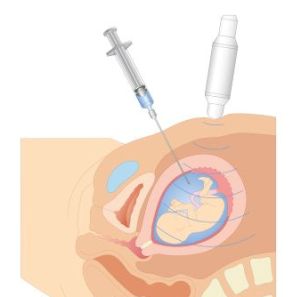
An invasive DNA test during pregnancy, such as amniocentesis or chorionic villus sampling (CVS), involves a medical procedure where a sample of fetal genetic material is collected for analysis. During amniocentesis, a thin needle is inserted through the abdomen into the amniotic sac to retrieve amniotic fluid containing fetal cells. In CVS, a small sample of placental tissue is taken either through the cervix or the abdomen. These samples are then analyzed in a laboratory to examine the genetic makeup of the fetus for potential chromosomal abnormalities or paternity testing. It is important to note that while these tests can provide valuable information, they also carry a slight risk of miscarriage, which should be discussed with healthcare providers before undergoing the procedure.
What genetic disorders can be detected through invasive DNA testing?
Invasive DNA testing procedures, such as amniocentesis and chorionic villus sampling (CVS), can detect a variety of genetic disorders in the fetus. These tests are often used to screen for conditions like Down syndrome, cystic fibrosis, sickle cell anemia, and certain chromosomal abnormalities such as trisomy 18 and trisomy 21 (Down syndrome). By analyzing the fetal genetic material obtained through these invasive procedures, healthcare providers can assess the risk of these and other genetic disorders, providing valuable information to expecting parents for making informed decisions about their pregnancy and future care for their child.
Are there alternatives to invasive DNA testing for prenatal genetic screening?
When considering prenatal genetic screening, individuals often inquire about alternatives to invasive DNA testing to mitigate potential risks and ethical concerns. Non-invasive prenatal testing (NIPT) serves as a viable alternative that involves analyzing fetal DNA from maternal blood samples, offering valuable insights into genetic conditions without posing a risk to the pregnancy. NIPT provides expectant parents with a safer option for genetic screening during pregnancy, allowing them to make informed decisions about their healthcare and the well-being of their unborn child. Consulting with healthcare providers and genetic counselors can help individuals explore these alternative screening methods and choose the most suitable approach for their situation.
Is it safe to undergo invasive DNA testing while pregnant?
When considering whether it is safe to undergo invasive DNA testing while pregnant, it is important to weigh the potential risks and benefits carefully. Invasive DNA testing procedures, such as amniocentesis and chorionic villus sampling (CVS), carry a small risk of miscarriage due to the invasive nature of the tests. While these risks are generally low, expectant parents should consult with their healthcare providers to assess their individual circumstances and make an informed decision. Non-invasive prenatal testing (NIPT) is a safer alternative that can provide valuable genetic information without posing a risk to the pregnancy. Ultimately, the safety of undergoing invasive DNA testing during pregnancy depends on various factors, and it is crucial for expectant parents to consider all options and consult with medical professionals before making a decision.
What are the ethical considerations of undergoing invasive DNA testing during pregnancy?
When considering the ethical implications of undergoing invasive DNA testing during pregnancy, several key considerations come to light. One primary concern is the potential impact of test results on the decision-making process regarding the continuation or termination of the pregnancy based on genetic abnormalities. The autonomy and rights of the unborn child also raise questions about consent and privacy in undergoing such procedures. Additionally, there is a broader ethical dilemma surrounding the balance between obtaining valuable medical information for the benefit of the fetus and respecting the potential risks to both the pregnancy and the well-being of all involved parties. These ethical considerations underscore the importance of approaching invasive DNA testing during pregnancy with careful thought and consideration for all involved stakeholders.