
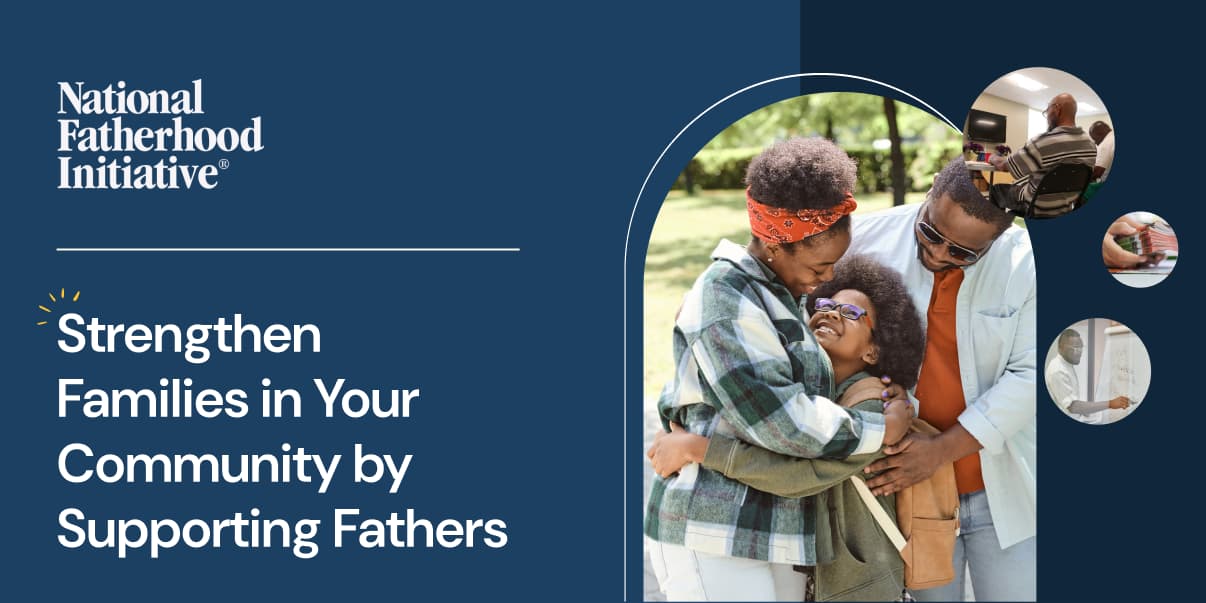
Programs for Fathers’ Rights: Supporting Dads in Parenting
In recent years, there has been a growing recognition of the importance of fathers’ rights in parenting. Fathers play a crucial role in their children’s lives, and programs dedicated to supporting fathers have emerged to ensure that they have the resources and support they need to be actively involved parents.
The Importance of Fathers’ Rights Programs
Programs for fathers’ rights aim to address various challenges that fathers may face in asserting their parental rights. These challenges can range from custody battles and visitation rights to financial support and emotional well-being. By providing information, advocacy, and support services, these programs empower fathers to navigate the complexities of the legal system and strengthen their relationships with their children.
Types of Fathers’ Rights Programs
There are several types of programs available to support fathers in asserting their rights:
- Legal Assistance: Many organizations offer legal assistance to help fathers understand their rights and obligations under family law. This includes guidance on custody arrangements, child support, and visitation schedules.
- Counseling and Support Groups: Counseling services and support groups provide emotional support to fathers dealing with the challenges of co-parenting or separation. These programs offer a safe space for fathers to share their experiences and seek advice from others in similar situations.
- Parenting Classes: Parenting classes tailored for fathers help them develop essential parenting skills and strengthen their bond with their children. These classes cover topics such as effective communication, discipline strategies, and co-parenting techniques.
- Mediation Services: Mediation services facilitate constructive communication between parents to resolve disputes amicably. By promoting cooperation and compromise, mediation can help fathers reach mutually beneficial agreements with the other parent.
The Impact of Fathers’ Rights Programs
Fathers’ rights programs have a positive impact on both fathers and children. By equipping fathers with the knowledge and resources they need to be actively involved parents, these programs contribute to stronger family relationships, improved child well-being, and greater parental satisfaction. Ultimately, supporting fathers’ rights benefits not only individual families but also society as a whole.
Understanding and Supporting Fathers’ Rights: Key Questions on Custody, Paternity, and Parenting Programs
- What rights do fathers have in terms of child custody and visitation?
- How can fathers establish paternity and parental rights?
- Are there legal resources available to help fathers navigate family court proceedings?
- What support services are offered to fathers dealing with co-parenting challenges?
- Do fathers have the right to seek modifications to child support agreements?
- Are there programs specifically designed to help fathers develop parenting skills and strengthen their relationships with their children?
What rights do fathers have in terms of child custody and visitation?
When it comes to child custody and visitation rights, fathers have the legal right to seek custody and visitation arrangements that are in the best interests of the child. In most cases, courts consider factors such as the child’s well-being, the parent-child relationship, and each parent’s ability to provide a safe and nurturing environment. Fathers have the right to petition for joint custody, shared parenting time, or visitation schedules that allow them to maintain a meaningful relationship with their children. It is important for fathers to understand their rights under family law and seek legal guidance or assistance from programs dedicated to fathers’ rights to navigate the complexities of custody and visitation proceedings effectively.
How can fathers establish paternity and parental rights?
Establishing paternity and parental rights is a crucial step for fathers seeking legal recognition and involvement in their children’s lives. There are several ways for fathers to establish paternity, including voluntary acknowledgment, genetic testing, and court orders. By voluntarily acknowledging paternity at the time of the child’s birth or through a formal process, fathers can assert their parental rights from the outset. Genetic testing can also be used to confirm biological parentage if there is uncertainty. In cases where paternity is disputed or contested, seeking a court order may be necessary to establish legal recognition and rights as a father. Taking proactive steps to establish paternity not only benefits fathers by granting them legal standing and rights but also ensures that children have access to the emotional and financial support they deserve from both parents.
Are there legal resources available to help fathers navigate family court proceedings?
Navigating family court proceedings can be complex and overwhelming, especially for fathers seeking to assert their rights. Fortunately, there are legal resources available specifically designed to help fathers in these situations. These resources often include legal aid organizations, pro bono services, and father-focused legal advocacy groups that offer guidance on custody arrangements, visitation rights, child support issues, and other legal matters related to parenting. By accessing these legal resources, fathers can better understand their rights under family law and receive the support they need to navigate the family court system with confidence and clarity.
What support services are offered to fathers dealing with co-parenting challenges?
Support services offered to fathers dealing with co-parenting challenges typically include counseling, mediation, and parenting classes. Counseling services provide emotional support and guidance to fathers as they navigate the complexities of co-parenting relationships. Mediation services help facilitate constructive communication between parents, assisting them in resolving disputes and reaching agreements that prioritize the best interests of their children. Parenting classes tailored for fathers offer valuable resources and skills to enhance their parenting abilities, strengthen their bond with their children, and navigate the challenges of co-parenting effectively. These support services aim to empower fathers in managing co-parenting challenges and fostering positive relationships with their children.
Do fathers have the right to seek modifications to child support agreements?
Yes, fathers have the right to seek modifications to child support agreements. Circumstances in life can change, such as income levels, job status, or family dynamics, which may warrant a review and adjustment of child support obligations. Fathers can petition the court to modify child support arrangements to ensure that they remain fair and appropriate based on the current situation. Seeking legal counsel or utilizing programs that provide assistance with navigating child support modifications can help fathers understand their rights and responsibilities in this process.
Are there programs specifically designed to help fathers develop parenting skills and strengthen their relationships with their children?
Yes, there are programs specifically designed to help fathers develop parenting skills and strengthen their relationships with their children. These programs recognize the crucial role that fathers play in their children’s lives and aim to provide them with the support and resources needed to be effective parents. Through parenting classes, counseling services, and support groups tailored for fathers, these programs offer guidance on communication, discipline, co-parenting, and other essential skills. By empowering fathers to build stronger relationships with their children, these programs contribute to the overall well-being of families and promote positive outcomes for both fathers and their children.