
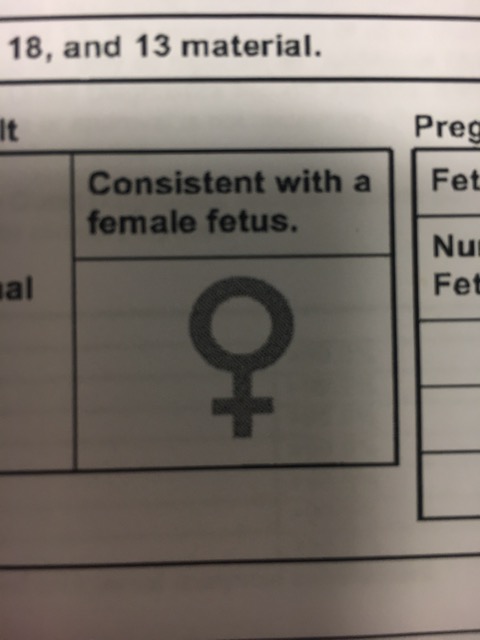
Understanding the QNatal Blood Test
The QNatal blood test is a non-invasive prenatal screening test that is used to assess the risk of certain chromosomal abnormalities in a developing fetus. This test is often recommended for pregnant women who may be at higher risk for genetic conditions or who have received abnormal results from other prenatal screenings.
Unlike traditional invasive tests such as amniocentesis or chorionic villus sampling, the QNatal blood test carries no risk of miscarriage as it simply involves drawing a blood sample from the mother. The test analyzes fragments of fetal DNA that are present in the mother’s bloodstream, providing valuable information about the baby’s genetic makeup.
One of the key advantages of the QNatal blood test is its high accuracy in detecting conditions such as Down syndrome (Trisomy 21), Trisomy 18, and Trisomy 13. It can also screen for sex chromosome abnormalities and certain microdeletion syndromes. The results of the test can help expectant parents make informed decisions about their pregnancy and prepare for any potential health challenges their child may face.
It is important to note that while the QNatal blood test is highly accurate, it is considered a screening test rather than a diagnostic one. In cases where abnormal results are detected, further diagnostic testing may be recommended to confirm the findings.
Overall, the QNatal blood test offers expectant parents a safe and reliable option for early detection of certain genetic conditions in their unborn child. By providing valuable information about fetal health, this screening test can empower parents to make informed choices and better prepare for the arrival of their new family member.
Everything You Need to Know About the QNatal Blood Test: FAQs Answered
- What is the QNatal blood test?
- How is the QNatal blood test different from traditional invasive prenatal tests?
- Who should consider taking the QNatal blood test?
- Is the QNatal blood test safe for both the mother and the baby?
- What genetic conditions can the QNatal blood test screen for?
- How accurate is the QNatal blood test in detecting chromosomal abnormalities?
- What should I do if I receive abnormal results from the QNatal blood test?
- Is the QNatal blood test covered by insurance?
What is the QNatal blood test?
The QNatal blood test is a non-invasive prenatal screening test that involves analyzing fragments of fetal DNA present in the mother’s bloodstream to assess the risk of certain chromosomal abnormalities in the developing fetus. This test is recommended for pregnant women at higher risk for genetic conditions or those who have received abnormal results from other prenatal screenings. Unlike invasive tests like amniocentesis, the QNatal blood test carries no risk of miscarriage and offers high accuracy in detecting conditions such as Down syndrome and other chromosomal abnormalities. It provides valuable information to expectant parents, empowering them to make informed decisions about their pregnancy and prepare for any potential health challenges their child may face.
How is the QNatal blood test different from traditional invasive prenatal tests?
The QNatal blood test differs from traditional invasive prenatal tests in its non-invasive nature and reduced risk to the pregnancy. Unlike procedures like amniocentesis or chorionic villus sampling that require the insertion of a needle into the amniotic sac or placenta, the QNatal test simply involves drawing a blood sample from the mother. This means there is no risk of miscarriage associated with the QNatal blood test, making it a safer option for assessing the risk of chromosomal abnormalities in a developing fetus. Additionally, the QNatal test analyzes fetal DNA fragments present in the mother’s bloodstream, providing accurate insights into the baby’s genetic makeup without the need for invasive procedures.
Who should consider taking the QNatal blood test?
The QNatal blood test is recommended for pregnant women who may be at higher risk for genetic conditions or who have received abnormal results from other prenatal screenings. It is often considered for women of advanced maternal age, those with a personal or family history of genetic disorders, or individuals with concerns about their pregnancy. Additionally, healthcare providers may suggest the QNatal test for women who desire more information about their baby’s genetic health early in pregnancy. Ultimately, the decision to undergo the QNatal blood test should be discussed with a healthcare provider to determine if it is the right choice based on individual circumstances and medical history.
Is the QNatal blood test safe for both the mother and the baby?
The QNatal blood test is considered a safe option for both the mother and the baby. Unlike invasive procedures like amniocentesis or chorionic villus sampling, the QNatal test poses no risk of miscarriage or harm to the fetus. It simply involves drawing a blood sample from the mother, which is then analyzed for fetal DNA. This non-invasive nature of the test makes it a preferred choice for many expectant parents seeking information about their baby’s genetic health without the associated risks of traditional diagnostic tests. The QNatal blood test provides valuable insights into potential chromosomal abnormalities in the fetus while prioritizing the safety and well-being of both the mother and her unborn child.
What genetic conditions can the QNatal blood test screen for?
The QNatal blood test is designed to screen for a range of genetic conditions in a developing fetus. Some of the key genetic conditions that the QNatal blood test can screen for include Down syndrome (Trisomy 21), Trisomy 18, Trisomy 13, sex chromosome abnormalities, and certain microdeletion syndromes. By analyzing fragments of fetal DNA present in the mother’s bloodstream, the QNatal blood test provides valuable information about the baby’s genetic makeup, helping expectant parents understand their child’s risk for these specific genetic conditions early in pregnancy.
How accurate is the QNatal blood test in detecting chromosomal abnormalities?
The QNatal blood test is known for its high accuracy in detecting chromosomal abnormalities in a developing fetus. Studies have shown that the test has a very high sensitivity and specificity for conditions such as Down syndrome (Trisomy 21), Trisomy 18, and Trisomy 13. The test’s ability to analyze fetal DNA fragments present in the mother’s bloodstream contributes to its reliability in identifying genetic conditions early in pregnancy. While the QNatal blood test is considered one of the most accurate non-invasive prenatal screening tests available, it is important to consult with healthcare providers for a comprehensive understanding of the test’s accuracy and implications for individual cases.
What should I do if I receive abnormal results from the QNatal blood test?
If you receive abnormal results from the QNatal blood test, it is important to remain calm and seek guidance from your healthcare provider. Abnormal results do not necessarily mean that there is a health issue with your baby, as screening tests can sometimes produce false positives. Your healthcare provider will discuss the results with you in detail, explain the implications, and recommend further diagnostic testing if necessary. It is crucial to follow up promptly with your healthcare team to receive accurate information and appropriate support in making decisions regarding your pregnancy and the health of your baby.
Is the QNatal blood test covered by insurance?
The coverage of the QNatal blood test by insurance varies depending on the individual insurance provider and policy. Some insurance companies may cover the cost of the test if it is deemed medically necessary, such as for high-risk pregnancies or when abnormal results are detected in other prenatal screenings. It is recommended to check with your insurance provider directly to inquire about coverage details, potential out-of-pocket costs, and any pre-authorization requirements before undergoing the QNatal blood test.