
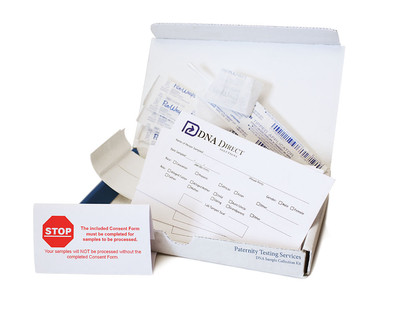
The Importance of In-Person DNA Testing
When it comes to determining paternity or establishing biological relationships, DNA testing is a crucial tool. While there are various methods available for conducting DNA tests, in-person testing offers several advantages that make it a preferred choice for many individuals and families.
Accuracy and Reliability
In-person DNA testing provides a high level of accuracy and reliability compared to at-home testing kits. By having trained professionals collect the samples in a controlled environment, the chances of contamination or errors are significantly reduced. This ensures that the results obtained are trustworthy and can be used with confidence for legal purposes.
Chain of Custody
One of the key benefits of in-person DNA testing is the establishment of a chain of custody. This means that every step of the testing process is documented and verified, from sample collection to result reporting. Maintaining a clear chain of custody is essential for legal cases involving paternity disputes or child support matters.
Expert Guidance
When you opt for in-person DNA testing, you have the opportunity to receive expert guidance throughout the entire process. Trained professionals can explain the procedures involved, address any concerns you may have, and ensure that you understand the implications of the test results. This personalized support can be invaluable during what may be a challenging time.
Confidentiality and Privacy
In-person DNA testing also offers enhanced confidentiality and privacy protection. Unlike at-home kits where samples may be handled by multiple individuals or exposed to external factors, in-person testing facilities maintain strict protocols to safeguard your personal information and test results. Your privacy is prioritized every step of the way.
Conclusion
In conclusion, in-person DNA testing provides a secure, reliable, and accurate method for determining paternity or establishing biological relationships. With its focus on accuracy, chain of custody documentation, expert guidance, and confidentiality, this approach offers peace of mind to individuals seeking clarity regarding their genetic connections.
8 Advantages of In-Person DNA Testing: Accuracy, Privacy, and Legal Assurance
- High accuracy and reliability
- Establishes a clear chain of custody for legal purposes
- Professional guidance throughout the testing process
- Enhanced privacy protection for personal information
- Reduced risk of contamination or errors in sample collection
- Ability to ask questions and address concerns directly with experts
- Results can be used confidently for legal matters
- Strict protocols ensure confidentiality of test results
4 Drawbacks of In-Person DNA Testing: Inconvenience, Cost, Privacy, and Emotional Stress
High accuracy and reliability
The high accuracy and reliability of in-person DNA testing set it apart as a preferred method for determining paternity or establishing biological relationships. By having trained professionals collect samples in a controlled environment, the chances of errors or contamination are significantly minimized. This ensures that the results obtained are trustworthy and can be relied upon with confidence, especially in legal contexts where precision is paramount. The meticulous approach of in-person testing enhances its credibility and makes it a valuable tool for individuals and families seeking accurate genetic information.
Establishes a clear chain of custody for legal purposes
In-person DNA testing offers the significant advantage of establishing a clear chain of custody for legal purposes. This meticulous documentation ensures that every step of the testing process, from sample collection to result reporting, is carefully recorded and verified. By maintaining a transparent chain of custody, in-person DNA testing provides a solid foundation for legal cases involving paternity disputes, child support matters, or other situations where the accuracy and reliability of the test results are paramount.
Professional guidance throughout the testing process
Having professional guidance throughout the in-person DNA testing process is a valuable advantage that ensures individuals receive expert support and assistance every step of the way. Trained professionals can offer clear explanations of the procedures involved, address any concerns or questions that may arise, and provide personalized guidance to help individuals understand the significance of the test results. This level of support not only enhances the accuracy and reliability of the testing process but also offers reassurance and peace of mind to those undergoing DNA testing for paternity or other purposes.
Enhanced privacy protection for personal information
In-person DNA testing offers enhanced privacy protection for personal information, ensuring that sensitive data remains confidential throughout the testing process. Unlike at-home testing kits that may involve multiple individuals handling samples or potential exposure to external factors, in-person facilities maintain strict protocols to safeguard the privacy of individuals undergoing testing. This heightened level of confidentiality provides reassurance to individuals seeking genetic clarity, allowing them to proceed with the testing process knowing that their personal information is secure and protected.
Reduced risk of contamination or errors in sample collection
In-person DNA testing offers a significant advantage in reducing the risk of contamination or errors during sample collection. By having trained professionals conduct the sample collection in a controlled environment, the chances of external factors affecting the samples are minimized. This meticulous approach ensures that the integrity of the genetic material remains intact, resulting in more accurate and reliable test results. The careful handling and strict protocols followed during in-person testing help to maintain the quality and purity of the samples, ultimately enhancing the credibility of the DNA analysis process.
Ability to ask questions and address concerns directly with experts
The ability to ask questions and address concerns directly with experts is a significant advantage of in-person DNA testing. Having access to trained professionals who can provide guidance, clarification, and support throughout the testing process helps individuals feel more informed and reassured. This direct interaction allows for immediate responses to any queries or uncertainties, ensuring that clients have a clear understanding of the procedures involved and the implications of the test results. Expert guidance enhances the overall experience of DNA testing, making it a more personalized and reliable approach for individuals seeking answers about their genetic relationships.
Results can be used confidently for legal matters
One significant advantage of in-person DNA testing is that the results obtained can be used confidently for legal matters. By ensuring that samples are collected and processed by trained professionals in a controlled environment, the accuracy and reliability of the results are greatly enhanced. This reliability makes in-person DNA testing a preferred choice for cases involving paternity disputes, child support determinations, or other legal situations where the validity of the test results is crucial. Having results that hold up in a court of law can provide individuals and families with the assurance they need when navigating complex legal processes related to paternity or familial relationships.
Strict protocols ensure confidentiality of test results
One significant advantage of in-person DNA testing is the strict protocols in place to guarantee the confidentiality of test results. By conducting tests in a controlled environment with trained professionals, individuals can trust that their personal information and genetic data are safeguarded at every step of the process. This commitment to privacy not only instills confidence in the accuracy and reliability of the results but also provides peace of mind to those seeking clarity on their genetic relationships without compromising their confidentiality.
Inconvenience
Inconvenience is a notable drawback of in-person DNA testing, as it often necessitates individuals to schedule appointments and physically travel to testing facilities. This process can be time-consuming and disruptive, especially for those with busy schedules or limited mobility. The need to coordinate logistics and allocate time for in-person visits may pose challenges for individuals seeking quick and convenient solutions for paternity testing or genetic analysis.
Cost
In-person DNA testing presents a significant con in terms of cost. Compared to at-home testing kits, in-person testing usually incurs higher expenses, rendering it less accessible and affordable for certain individuals. The increased costs associated with in-person testing may deter some people from seeking this option, especially those with limited financial resources. This financial barrier can potentially limit the ability of individuals to undergo DNA testing for important legal or personal reasons, highlighting a notable drawback of in-person testing methods.
Privacy Concerns
Privacy Concerns: Despite efforts to maintain confidentiality, there is still a risk of personal information being exposed or mishandled during the in-person testing process. While in-person DNA testing facilities prioritize privacy protection, the involvement of multiple individuals in the sample collection and processing stages can increase the potential for breaches in confidentiality. This risk may raise concerns for individuals who value the security of their personal data and seek assurance that their information will be handled with the utmost care and discretion throughout the testing process.
Emotional Stress
The con of in-person DNA testing lies in the potential emotional stress it can impose on individuals involved in sensitive paternity or relationship matters. The process of physically going to a testing location may amplify feelings of discomfort and anxiety, especially when dealing with issues as personal and significant as determining biological relationships. The need to confront these emotions in a public setting can add an extra layer of strain to an already challenging situation, highlighting the emotional toll that in-person DNA testing may inadvertently bring about.