
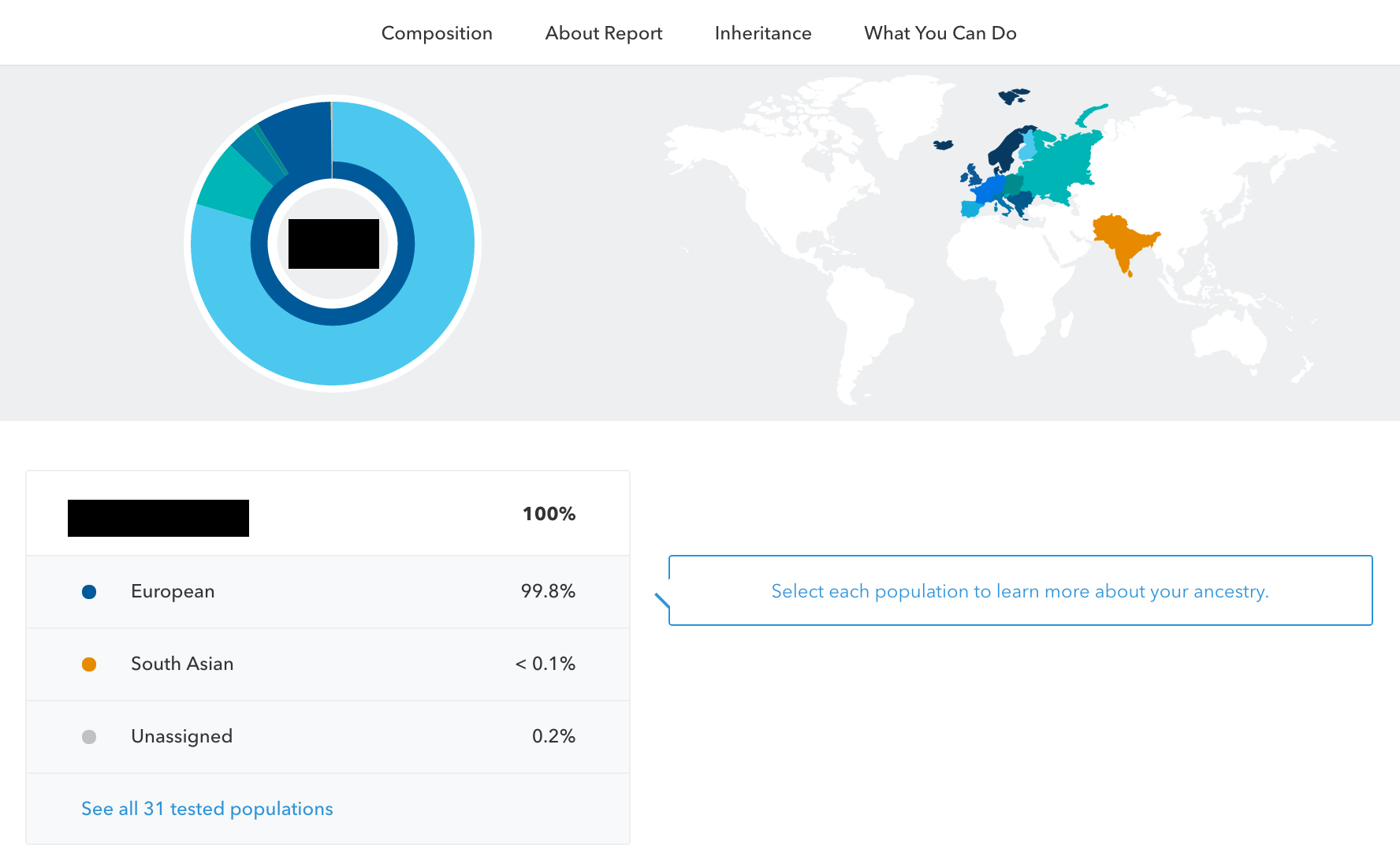
The Role of DNA Testing in Determining Race
Human beings have always been curious about their origins and ancestry. With the advancements in technology, DNA testing has become a popular tool for individuals seeking to uncover their genetic heritage. One controversial aspect of DNA testing is its role in determining race.
It is important to note that race is a social construct rather than a biological one. The concept of race is based on physical characteristics such as skin color, hair texture, and facial features. However, these traits are not exclusive to any particular racial group and can vary widely within populations.
When it comes to using DNA testing to determine race, it is essential to understand that genetic ancestry does not neatly align with traditional racial categories. Our DNA carries information about our ancestors’ geographic origins, but it does not define our race in the way society has constructed it.
DNA testing can provide insights into an individual’s genetic makeup and ancestral background, revealing information about migration patterns and population movements over time. It can help people connect with distant relatives and learn more about their family history.
While DNA testing can be a valuable tool for exploring one’s heritage, it is crucial to approach the results with caution and skepticism when it comes to claims about race. Genetic diversity is complex and multifaceted, making it impossible to neatly categorize individuals based on their DNA alone.
Ultimately, the role of DNA testing in determining race should be viewed with nuance and an understanding of the limitations of genetic science. It can offer valuable insights into our genetic ancestry but should not be used as a definitive measure of racial identity.
Understanding DNA Tests for Determining Ethnicity: Top 7 FAQs Answered
- Which DNA test is best for finding ethnicity?
- How do I know my DNA ethnicity?
- How far back is 1% DNA ethnicity?
- Can you determine race from DNA?
- Is 25% black considered black?
- How do you find out what ethnicity you are for free?
- How accurate is a DNA test for ethnicity?
Which DNA test is best for finding ethnicity?
When considering which DNA test is best for determining ethnicity, it is important to understand that different testing companies may provide varying results based on their reference populations and algorithms used for analysis. Generally, autosomal DNA tests are commonly recommended for exploring ethnic ancestry as they examine a wide range of genetic markers across all ancestral lines. Popular testing companies such as AncestryDNA, 23andMe, and MyHeritage offer comprehensive ethnicity estimates based on your DNA sample. It is advisable to research each company’s methodology, database size, and additional features before choosing a DNA test to best suit your specific needs in uncovering your ethnic heritage.
How do I know my DNA ethnicity?
When seeking to understand one’s DNA ethnicity through a test, it is essential to consider that genetic ancestry is a complex and multifaceted concept. DNA testing can provide insights into your ethnic background by analyzing genetic markers that are associated with specific populations around the world. These tests compare your DNA to reference databases to estimate the percentage of your ancestry from different regions. However, it’s important to remember that ethnicity is not solely determined by genetics but also influenced by cultural, social, and historical factors. Therefore, while DNA testing can offer valuable information about your genetic heritage, it may not provide a complete or definitive picture of your ethnicity.
How far back is 1% DNA ethnicity?
The question of how far back 1% DNA ethnicity extends is a common inquiry among individuals exploring their genetic heritage. The concept of 1% DNA ethnicity can be complex, as it represents a small fraction of an individual’s overall genetic makeup. In terms of ancestry, this percentage may indicate a distant connection to a particular geographic region or population group. However, the timeframe for when this genetic contribution occurred can vary widely and may not necessarily correspond to a specific number of generations. Genetic ancestry is influenced by numerous factors, including historical migrations, intermixing of populations, and genetic drift, making it challenging to pinpoint the exact timeframe for a 1% DNA ethnicity contribution.
Can you determine race from DNA?
The question of whether race can be determined from DNA is a complex and nuanced one. While DNA testing can provide information about an individual’s genetic ancestry and geographic origins, it does not offer a straightforward answer to the concept of race. Race is a social construct based on physical characteristics and cultural factors, whereas DNA reflects our genetic heritage and ancestry. Genetic diversity is vast and does not neatly align with traditional racial categories. Therefore, while DNA testing can offer insights into one’s genetic background, it should not be used as a definitive method for determining race due to the intricate nature of human genetics and the limitations of genetic science in categorizing individuals based on their DNA alone.
Is 25% black considered black?
The question of whether someone who is 25% black is considered black raises complex issues surrounding racial identity and societal perceptions. In many societies, the concept of race is not solely determined by genetic ancestry but is also influenced by cultural, historical, and social factors. While genetics can provide insights into one’s heritage, the designation of being “black” or any other racial category is often based on a combination of self-identification and external perceptions. Individuals with diverse genetic backgrounds may choose to identify with one or more aspects of their heritage, and it is essential to respect their self-identification rather than relying solely on genetic percentages to define their racial identity.
How do you find out what ethnicity you are for free?
Finding out your ethnicity for free can be done through various online platforms that offer DNA testing services. Many companies provide free ethnicity estimates based on your DNA sample, which can be obtained through a simple saliva or cheek swab test. These tests analyze your genetic markers and compare them to reference populations to estimate your ancestral origins. While these free ethnicity estimates can give you a general idea of your ethnic background, it’s important to remember that they are not always 100% accurate and should be taken as estimates rather than definitive proof of your ethnicity.
How accurate is a DNA test for ethnicity?
DNA tests for ethnicity can provide valuable insights into an individual’s genetic ancestry, offering a glimpse into their heritage and origins. These tests analyze specific markers in a person’s DNA to estimate their ethnic background and identify regions where their ancestors may have lived. While DNA testing can be informative and fascinating, it is essential to understand that the accuracy of these tests can vary. Factors such as the reference populations used for comparison, the size of the database, and the complexity of genetic diversity all play a role in determining the accuracy of ethnicity estimates. As such, it is recommended to interpret DNA test results for ethnicity as estimates rather than absolute truths, acknowledging the complexities and nuances of genetic ancestry.