
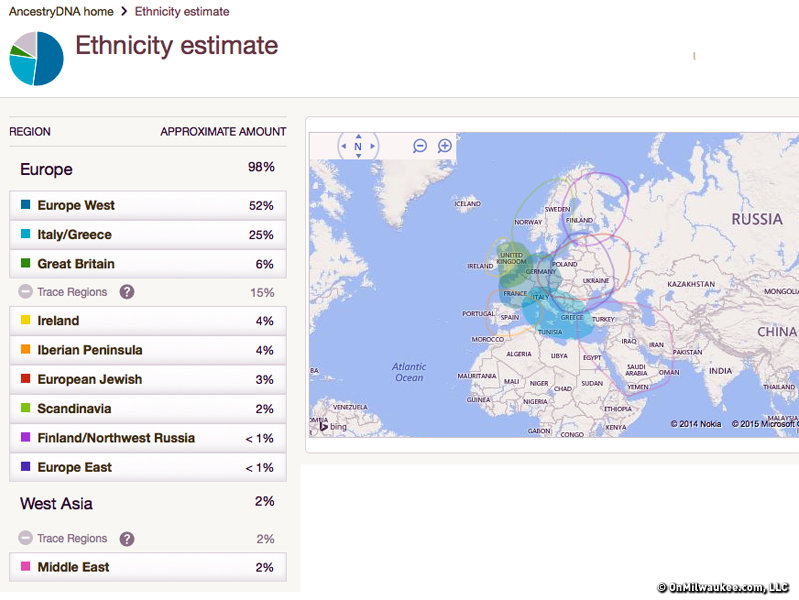
The Importance of DNA Bloodline Tests
In recent years, DNA bloodline tests have become increasingly popular as a means of determining genetic relationships between individuals. These tests are used to establish paternity, maternity, siblingship, and other familial connections with a high degree of accuracy.
One of the key benefits of DNA bloodline tests is their reliability. By analyzing specific genetic markers present in an individual’s DNA, these tests can provide conclusive evidence regarding biological relationships. This can be especially important in legal cases involving child custody, inheritance rights, and other matters where proof of biological connection is required.
Furthermore, DNA bloodline tests offer a non-invasive and relatively simple way to determine family relationships. By collecting a small sample of saliva or blood from the individuals in question, laboratories can analyze the genetic information contained within and provide detailed reports on the likelihood of relatedness.
Another important aspect of DNA bloodline tests is their role in uncovering hidden family histories. In cases where there may be uncertainty or discrepancies regarding parentage, these tests can reveal the truth and help individuals better understand their genetic heritage.
Overall, DNA bloodline tests play a crucial role in modern society by providing clarity and certainty in matters of familial relationships. Whether used for personal knowledge or legal purposes, these tests offer valuable insights into our genetic connections and help us better understand our place within our family tree.
9 Essential Tips for Navigating DNA Bloodline Testing Safely and Responsibly
- Ensure the testing company is accredited and reputable.
- Follow the instructions carefully for collecting the DNA sample.
- Keep the DNA sample free from contamination.
- Understand the privacy policy of the testing company.
- Verify if counseling or support services are provided.
- Consider any emotional impact before taking the test.
- Discuss the results with a healthcare professional if needed.
- Be prepared for possible unexpected or surprising results.
- Respect family members’ decisions if they choose not to participate.
Ensure the testing company is accredited and reputable.
When considering a DNA bloodline test, it is crucial to ensure that the testing company is accredited and reputable. Accreditation guarantees that the company meets specific standards of quality and reliability in conducting genetic testing. By choosing a reputable testing company, you can have confidence in the accuracy and integrity of the results, providing you with peace of mind and assurance in the validity of the information regarding your genetic relationships.
Follow the instructions carefully for collecting the DNA sample.
It is crucial to follow the instructions carefully when collecting the DNA sample for a bloodline test. Proper collection and handling of the sample are essential to ensure accurate and reliable results. By carefully following the guidelines provided, you can help prevent contamination and errors that may compromise the integrity of the test. Paying close attention to details such as sample collection methods, storage conditions, and shipping instructions can significantly impact the outcome of the test, ultimately providing you with clear and trustworthy information about your genetic relationships.
Keep the DNA sample free from contamination.
It is crucial to keep the DNA sample free from contamination when conducting a DNA bloodline test. Contamination can lead to inaccurate results and compromise the integrity of the test. To ensure reliable and precise outcomes, it is essential to follow proper collection and handling procedures, such as using sterile equipment, avoiding contact with foreign substances, and storing the sample in a clean environment. By maintaining the purity of the DNA sample, you can enhance the accuracy of the test and obtain trustworthy information about genetic relationships.
Understand the privacy policy of the testing company.
It is essential to thoroughly understand the privacy policy of the testing company when considering a DNA bloodline test. By reviewing the privacy policy, individuals can ensure that their genetic information is handled and stored securely, and that their confidentiality is respected. Understanding how the testing company safeguards data and whether they share information with third parties can help individuals make informed decisions about undergoing genetic testing while protecting their privacy and sensitive personal information.
Verify if counseling or support services are provided.
When considering a DNA bloodline test, it is important to verify if counseling or support services are provided as part of the testing process. Counseling can be crucial in helping individuals understand the implications of the test results, especially in cases where the outcome may have emotional or legal ramifications. Support services can offer guidance and assistance in navigating any challenges that may arise as a result of the test findings, ensuring that individuals have access to the resources they need to make informed decisions and cope with any potential outcomes.
Consider any emotional impact before taking the test.
Before deciding to take a DNA bloodline test, it is crucial to consider the potential emotional impact it may have on all parties involved. Discovering unexpected results or confirming suspicions about biological relationships can bring about a range of emotions, including joy, relief, confusion, or even distress. It is important to prepare oneself and any family members for the possible outcomes and seek emotional support if needed. Open communication and understanding among all individuals undergoing the test can help navigate any emotional challenges that may arise during this process.
Discuss the results with a healthcare professional if needed.
It is recommended to discuss the results of a DNA bloodline test with a healthcare professional if needed. Healthcare professionals can provide valuable insights and guidance on interpreting the results, understanding any implications for health or medical conditions, and offering support in processing the information revealed by the test. Consulting with a healthcare professional ensures that you receive accurate information and appropriate advice tailored to your specific situation, promoting informed decision-making and peace of mind.
Be prepared for possible unexpected or surprising results.
When undergoing a DNA bloodline test, it is important to be prepared for possible unexpected or surprising results. Genetic testing can sometimes reveal information that may be unexpected or challenging to process, such as discovering unknown relatives or uncovering hidden family secrets. It is essential to approach the results with an open mind and seek support from loved ones or counseling if needed. Being mentally prepared for any outcome can help individuals navigate the emotional impact of the test results and make informed decisions about how to move forward with the newfound information.
Respect family members’ decisions if they choose not to participate.
Respecting family members’ decisions if they choose not to participate in DNA bloodline testing is essential in maintaining trust and harmony within the family. It is important to understand that individuals may have personal reasons for not wanting to undergo testing, and their choice should be honored without judgment or pressure. By showing understanding and respect for their decision, we can foster a supportive environment where everyone feels comfortable and valued, regardless of their choice regarding genetic testing.