
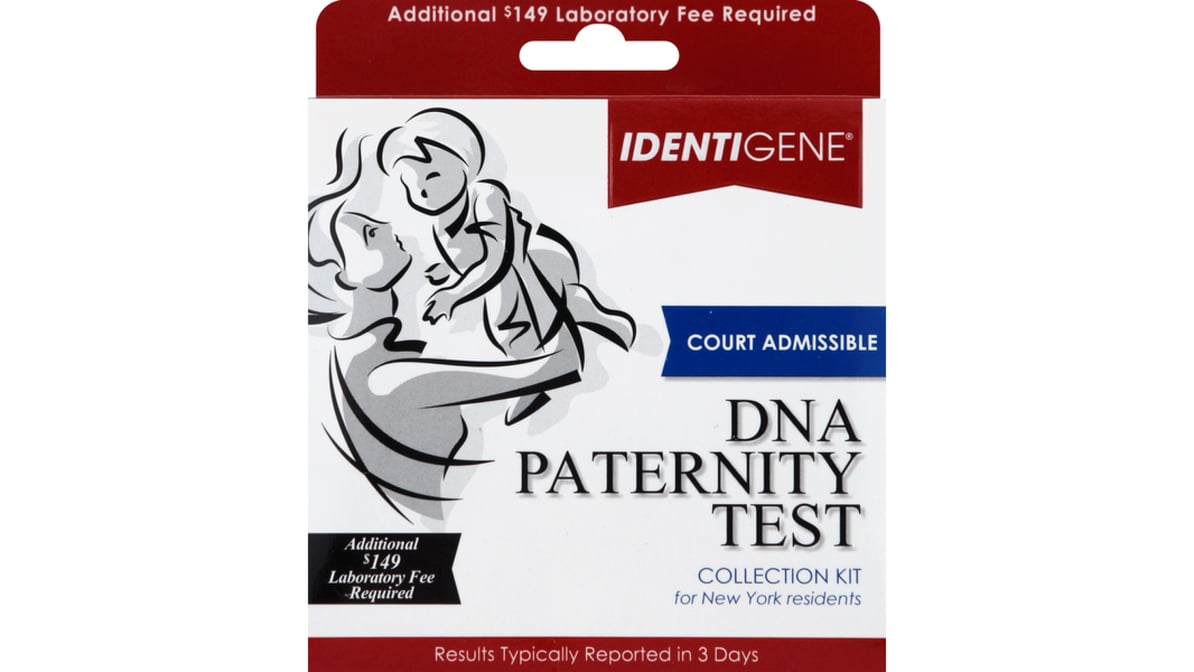
How to Find a Court-Approved Paternity Test Near You
If you’re searching for a “court-approved paternity test near me,” you may need DNA results for a child-support case, a custody or parenting-time matter, birth-certificate changes, or another legal proceeding. The key is not simply choosing a nearby testing site. The test must be collected and documented in a way that meets the requirements of the court or agency handling your case.
What Makes a Paternity Test Legal?
A legal paternity test—sometimes called a court-admissible or chain-of-custody test—uses procedures to verify the identities of the people tested and protect the integrity of the samples. Typically, this includes:
- Checking and documenting each participant’s identity
- Having samples collected by an authorized collector
- Sealing and tracking samples from collection through laboratory testing
- Preparing a report that identifies the participants and explains the results
A home DNA test may provide personal information, but it usually does not meet these documentation requirements. Before booking any test, confirm that the provider offers legal, chain-of-custody testing—not just an at-home test.
How to Find a Testing Location Near You
- Check with the court or agency first. Ask whether there are specific rules about the laboratory, collection site, consent, or type of test required. In some cases, the court or a child-support agency may arrange testing or provide instructions.
- Search for legal paternity testing. Look for providers that clearly describe identity verification, witnessed sample collection, chain of custody, and court-admissible reporting.
- Verify the laboratory. Ask which laboratory will analyze the samples and whether it holds recognized accreditation for relationship testing. You can also check with the relevant accrediting organization or ask the court what standards it accepts.
- Confirm the details before paying. Ask where samples are collected, who must attend, what identification is needed, how results are delivered, and whether the provider’s process meets your specific court’s requirements.
Questions to Ask Before Booking
- Is this a legal chain-of-custody paternity test?
- Who verifies participants’ identities and collects the samples?
- Which laboratory performs the analysis, and what accreditation does it hold?
- Does the test meet the requirements of the court or agency handling my matter?
- What documents and identification should each participant bring?
- What is included in the fee, and are there additional charges for collection, travel, or reports?
- How and when will results be provided, and who is authorized to receive them?
What to Expect at the Appointment
Most paternity tests use a cheek swab. A collector may ask participants to show identification, complete paperwork, and provide consent before taking the samples. Follow the provider’s instructions about who must attend and whether a child’s legal guardian must be present. Do not assume that one person can arrange testing for everyone; consent and participation rules can vary depending on the circumstances and applicable law.
Testing time and result delivery vary by provider and case. Ask for a written estimate and timeline before scheduling. If a court date is approaching, tell the provider and confirm that the expected report date will leave enough time to submit the results.
Important Legal Considerations
A DNA test can provide evidence of a biological relationship, but it may not by itself establish or change legal parentage. The court or relevant agency determines how results affect a case and what additional steps are required. If you have an active case, follow the court’s instructions and consider getting advice from a qualified family-law attorney or legal-aid organization.
For Oregon matters, requirements may depend on the court, agency, and type of proceeding. Contact the office handling your case before scheduling a test, and ask whether it has a preferred process or approved provider. This can help prevent delays or the need to repeat testing.
Choose a Provider Carefully
When looking for a court-approved paternity test near you, focus on verified identity, documented chain of custody, laboratory qualifications, and acceptance by the court or agency involved. A nearby collection site can be convenient, but confirming the legal requirements first is the best way to ensure the test is appropriate for your situation.
This article is for general informational purposes and is not legal advice. Testing and court requirements vary by jurisdiction and case.
6 Essential Tips for Finding Court-Approved Paternity Testing Near You
- Search for local labs offering legal paternity testing.
- Confirm the test meets your court’s requirements.
- Ask whether the lab uses a documented chain of custody.
- Bring valid photo IDs to the appointment.
- Check whether all tested parties must attend in person.
- Ask the court or an attorney about approved providers.
Search for local labs offering legal paternity testing.
Search for local labs that specifically offer legal paternity testing, rather than at-home DNA kits. Ask whether the lab uses identity verification and documented chain-of-custody procedures, and confirm that its results meet the requirements of the court or agency handling your case. Before booking, check which documents participants need to bring, where samples are collected, and whether the lab’s report can be submitted for your legal matter.
Confirm the test meets your court’s requirements.
Before scheduling a court-approved paternity test, confirm that its process meets the specific requirements of the court or agency handling your case. Ask whether the provider uses identity verification, witnessed sample collection, and documented chain of custody, and whether the court accepts the laboratory’s report. Requirements can vary by case and jurisdiction, so checking first can help prevent delays or the need to repeat the test.
Ask whether the lab uses a documented chain of custody.
When looking for a court-approved paternity test near you, ask whether the lab uses a documented chain of custody. This process records who collected, handled, and transferred each DNA sample, helping protect its identity and integrity from collection through analysis. Confirm that identity checks and sample handling are documented, and verify that the court or agency handling your case accepts the lab’s procedures.
Bring valid photo IDs to the appointment.
Bring valid, government-issued photo IDs to your paternity test appointment. The testing provider may need to verify each adult participant’s identity and document it as part of the chain-of-custody process required for legal testing. Check with the provider in advance to confirm which forms of ID are accepted and what documentation is needed for a child.
Check whether all tested parties must attend in person.
Before booking a court-approved paternity test, ask whether everyone being tested must attend the appointment in person. Legal testing usually requires a collector to verify each participant’s identity and document the sample collection, so an at-home kit or separate appointments may not be acceptable. Confirm who needs to come, what identification to bring, and whether a parent or legal guardian must accompany a minor. Check these requirements with both the testing provider and the court or agency handling your case to avoid delays or having to repeat the test.
Ask the court or an attorney about approved providers.
Before scheduling a court-admissible paternity test, ask the court handling your case or a qualified family-law attorney whether it requires or recommends specific providers. Requirements can vary by court and case, and using a provider that doesn’t meet them could delay your matter or require repeat testing. Confirm that the provider uses identity verification, witnessed sample collection, and documented chain of custody.