
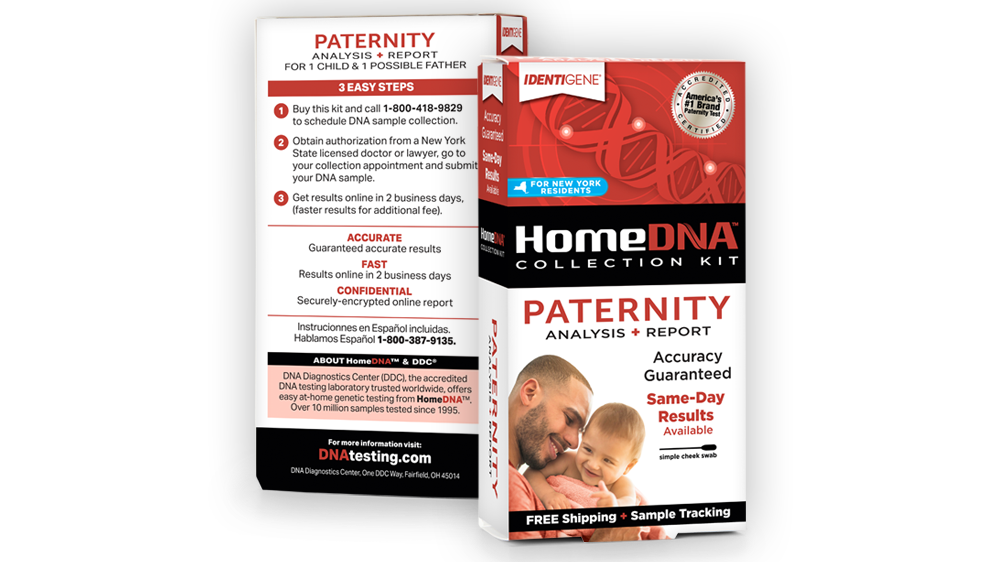
DDC Home DNA Test: What to Know Before You Order
A DDC home DNA test may be an option for people seeking private answers about a biological relationship, such as whether a man is a child’s biological father. DDC, or DNA Diagnostics Center, provides DNA testing services. Before ordering, it’s important to understand how a home test works, what its results can—and cannot—be used for, and how to choose the right type of test for your situation.
What Is a Home DNA Test?
A home DNA test uses cheek-cell samples collected with swabs. The kit is sent to the participants, who collect their samples themselves and return them to the laboratory according to the instructions. The lab analyzes the samples and provides a report about the tested biological relationship.
People may consider a home test to get private information about paternity or another family relationship. The exact tests offered, instructions, turnaround times, and fees can change, so check DDC’s current information before placing an order.
How the Process Generally Works
- Choose a test. Confirm that the test covers the relationship you want to investigate and that it is intended for your needs.
- Collect the samples. Follow the kit’s instructions carefully. Samples are commonly collected by rubbing a swab against the inside of each participant’s cheek.
- Return the samples. Package and send the swabs as directed. Avoid touching the swab tips or mixing up the participants’ samples.
- Review the report. Results are provided after the laboratory receives and analyzes the samples. Check the provider’s current estimate for processing time.
At-Home Testing vs. Legal DNA Testing
A key distinction is whether the test is for personal information or for official use. With an at-home test, participants typically collect and submit their own samples. Because the collection process may not document each person’s identity or maintain a formal chain of custody, the report may not be accepted by a court or government agency.
If results may be needed for child support, custody, inheritance, immigration, a birth certificate, or another legal matter, ask the relevant agency or court what it requires before ordering. A legal test generally involves identity verification and sample collection by an authorized professional under documented procedures. A home test may not be convertible into a legal test after the samples have been collected.
Accuracy and Limitations
DNA testing can provide strong evidence about biological relationships when the correct people are tested and samples are properly collected and analyzed. However, the results apply only to the participants and relationship included in the test. For example, a paternity test does not automatically establish legal parentage, custody rights, or financial responsibilities.
Unexpected results can also have emotional, family, or legal consequences. Consider whether everyone involved understands the purpose of testing and how the results may be shared. If a child is involved, take their age, privacy, and well-being into account.
Privacy and Consent
Before submitting DNA, review the provider’s current privacy policy and consent requirements. Find out how samples and genetic information are stored, who may access them, whether they may be used for additional purposes, and how to request their destruction if that option is available. Requirements for consent can vary depending on the participants’ ages and the circumstances.
Questions to Ask Before Ordering
- Is this test intended for private information or legal use?
- Which participants need to provide samples?
- What identification and consent are required?
- How are samples, reports, and genetic data handled?
- What are the current fees, shipping arrangements, and expected processing time?
- Who can help explain the report if the results are unclear?
Making an Informed Decision
A DDC home DNA test may offer a private way to investigate a biological relationship, but the right choice depends on why testing is needed. Confirm the test’s current details directly with DDC, and contact the relevant court or agency first if the results may be used officially. For legal questions, consider speaking with a qualified attorney; for medical or inherited-health concerns, consult a healthcare professional or genetic counselor.
DDC Home DNA Test FAQs: Accuracy, Cost, Trustworthiness, and Results Timeline
- Has DDC DNA ever been wrong?
- How much is a DDC at home paternity test?
- What’s the most accurate at HomeDNA test?
- Can I trust DDC results?
- Is the home DNA test accurate?
- Is DDC legit for paternity tests?
- How long does a DNA test take to come back from DDC?
Has DDC DNA ever been wrong?
Like any laboratory, DDC DNA testing is not entirely immune to errors, although properly performed DNA tests are highly reliable. Issues such as mislabeled or contaminated samples, collection mistakes, or misunderstandings about what a result means can affect a test. If you believe a DDC result is incorrect, contact the company to ask about its review or retesting options, and consider speaking with a qualified professional. If the result is needed for a legal matter, confirm that the test followed the required identity-verification and chain-of-custody procedures.
How much is a DDC at home paternity test?
The price of a DDC at-home paternity test can vary depending on the kit, the number of people tested, shipping, and any optional services. Check DDC’s website or contact the company for its current price, and confirm whether the test is for personal knowledge or legal use, since legally admissible testing may require a separate, documented collection process.
What’s the most accurate at HomeDNA test?
There isn’t one “most accurate” at-home DNA test for every purpose—the right test depends on the relationship being tested. For paternity, choose a dedicated paternity test processed by an accredited laboratory, and follow the collection instructions carefully; including the child’s mother may help clarify some results but is not always required. If you need results for court or another official purpose, an at-home kit may not qualify, so ask about a legal test with identity checks and documented sample collection before ordering.
Can I trust DDC results?
You can generally trust DDC results when the correct test is selected, samples are collected and handled according to the instructions, and the laboratory completes its analysis. However, a home test is typically intended for personal information and may not meet the identity-verification or chain-of-custody requirements for court or government use. Check the report’s limitations and DDC’s current testing procedures, and choose a legal test if you need results for an official matter.
Is the home DNA test accurate?
Yes. A DDC home DNA test can provide highly reliable results when the correct participants collect and submit their samples according to the instructions and the laboratory receives usable samples. However, a home test is generally intended for personal knowledge; because identities and sample handling may not be independently verified, its results may not be accepted for legal purposes. If you need court-admissible results, ask about a legal test with verified identification and documented sample collection.
Is DDC legit for paternity tests?
Yes, DNA Diagnostics Center (DDC) is an established provider of paternity testing. Before ordering, confirm that the specific test meets your needs: a home test is generally intended for personal knowledge, while legal matters may require identity verification and documented sample collection through a legal testing process. Check DDC’s current testing, privacy, and accreditation information, and ask the court or agency involved what it will accept.
How long does a DNA test take to come back from DDC?
DDC home DNA test results typically take about 1–2 business days after the lab receives all participants’ samples, though shipping time and any sample issues can extend the wait. Check the instructions or your order details for the current turnaround estimate, and remember that the stated processing time usually does not include delivery to and from the lab.