
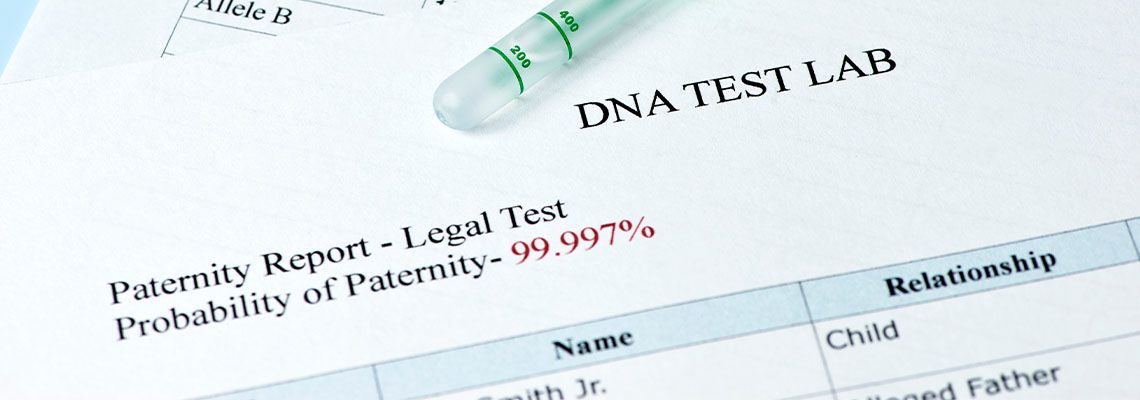
DNA Testing Without Consent: What to Know Before You Act
DNA tests can help answer important questions about parentage, family relationships, and ancestry. But collecting or testing someone’s DNA without their knowledge or permission can raise serious ethical, privacy, and legal concerns. The rules depend on where you live, who provided the sample, how it was obtained, and what the test is intended to establish.
What Does “Testing Without Consent” Mean?
DNA testing without consent may involve submitting another person’s biological sample without their knowledge, or arranging a test for someone who has not agreed to participate. A sample might come from an item someone used, such as a toothbrush or cup. Even if a sample is easy to obtain, that does not necessarily mean it is lawful or appropriate to use it for genetic testing.
Consent can also be more complicated when the person being tested is a child, is unable to make decisions, or is involved in a legal dispute. A parent or legal guardian may have authority to make certain decisions for a child, but that authority can depend on custody arrangements, court orders, the child’s circumstances, and the purpose of the test.
Legal Tests and At-Home Tests Are Not the Same
At-home DNA tests may be useful for personal information, but they generally are not designed to meet the identity-verification and documentation standards required in court. A result from a test arranged privately may not be accepted as evidence in a paternity or other legal proceeding.
When DNA evidence is needed for a legal matter, testing is typically arranged through a process that verifies the identities of the people tested and documents how samples are collected and handled. This process is often called a chain of custody. A court, child-support agency, or other authority may have specific requirements.
Before ordering a test for a legal purpose, check the requirements of the court or agency handling the matter. A qualified family-law attorney or legal aid provider can help explain the process in your location.
Possible Risks of Secret Testing
Testing someone’s DNA without permission can affect more than the person who provided the sample. Genetic results may reveal information about biological relatives who never agreed to be tested. Results can also raise unexpected questions about parentage, ancestry, or family relationships.
There may be legal consequences, depending on the circumstances and local law. Concerns can include privacy rights, the collection or use of a biological sample, custody disputes, or the rules governing evidence. A test may also be challenged or carry little weight in a legal proceeding if the sample’s source and handling cannot be verified.
There are personal consequences to consider as well. A result may cause distress, damage trust, or create conflict within a family. A test that is inaccurate, misunderstood, or taken out of context can lead to decisions that are difficult to undo.
Privacy and Genetic Data
Before anyone takes a DNA test, review the testing company’s privacy policy. Find out what information the company collects, how it stores and uses genetic data, whether it shares data with others, and what options exist for deleting a sample or account. Policies vary, and deleting an online account may not necessarily remove every record or data set associated with a test.
Genetic information is especially sensitive because it can reveal information about both the person tested and their biological relatives. Consider these implications before providing a sample or submitting one on someone else’s behalf.
If You Are Considering a Paternity Test
If the goal is to establish paternity, start by identifying what kind of answer is needed. A private test may provide personal information, while a court-related matter may require an approved legal testing process. If there is a dispute about parentage, custody, child support, or parental rights, get reliable legal guidance before arranging testing.
When possible, speak openly with the people involved and explain why testing is being considered. If direct communication feels unsafe or is not practical, a mediator, attorney, counselor, or appropriate family-support professional may help guide the conversation. For a child, consider the child’s best interests, age, emotional well-being, and need for age-appropriate explanations.
What to Do Instead of Secretly Collecting a Sample
- Ask the person to participate in testing and explain the reason for the request.
- Contact the court or agency involved to learn what testing process it recognizes.
- Seek advice from a family-law attorney or legal aid organization before acting.
- Review a testing provider’s consent, privacy, and data-retention policies.
- Consider professional support if the issue could affect a child or family relationship.
Get Guidance Before Testing
The rules around DNA testing, consent, and the use of genetic evidence can vary by state and by situation. This article provides general information, not legal advice. If you are in Oregon or another state and are considering testing without someone’s consent, consult a qualified attorney or the relevant court or agency before taking action. A careful, transparent approach can help protect privacy, reduce conflict, and ensure that any test serves its intended purpose.
9 Essential Tips on DNA Testing, Consent, and Privacy
- Get clear consent before collecting or testing anyone’s DNA.
- Never secretly use someone’s toothbrush, hair, or other biological sample.
- Check local laws; rules vary by location and test type.
- Use extra care when a child’s DNA is involved.
- Read the test provider’s privacy and data-sharing policies.
- Consider how results could affect relatives and family relationships.
- Don’t upload another person’s DNA data without permission.
- If a sample was collected without consent, ask a lawyer about your options.
- For your own test, choose a provider with strong privacy controls.
Get clear consent before collecting or testing anyone’s DNA.
Before collecting or testing anyone’s DNA, get their clear, informed consent. Explain why the test is being considered, what information it may reveal, how the sample and results will be handled, and whether the data could be shared or stored. A person’s biological sample contains sensitive information about them and their relatives, so never assume that access to an item they used means permission to test it. For children or legal disputes, consent requirements may depend on the circumstances and local law; seek qualified legal guidance if you’re unsure.
Never secretly use someone’s toothbrush, hair, or other biological sample.
Never secretly use someone’s toothbrush, hair, or other biological sample for DNA testing. A sample may contain sensitive genetic information, and collecting or testing it without permission can violate privacy, damage trust, and create legal problems. If you need a DNA test, ask for the person’s informed consent and use an appropriate testing process—especially if the results may be used in a court or child-support matter.
Check local laws; rules vary by location and test type.
Before arranging a DNA test, check the laws and requirements where you live. Rules can vary by location and by the type of test, the person being tested, how the sample is collected, and whether the results may be used in court. When the test involves a child or a legal dispute, contact a qualified attorney or the relevant court or agency to understand what consent and testing procedures are required.
Use extra care when a child’s DNA is involved.
Use extra care when a child’s DNA is involved. A child may not be able to fully understand or consent to genetic testing, and the results can affect the child’s privacy, family relationships, and sense of identity for years to come. Before arranging a test, consider the child’s best interests, explain the situation in an age-appropriate way when appropriate, and check whether you have legal authority to consent. If the test relates to custody, parentage, or another legal matter, seek guidance from a qualified family-law attorney or the court before collecting or submitting a sample.
Read the test provider’s privacy and data-sharing policies.
Before arranging a DNA test, read the provider’s privacy and data-sharing policies carefully. Check how the company collects, stores, uses, and shares genetic information, how long it keeps samples and results, and whether you can request deletion. Genetic data may reveal sensitive information not only about the person tested but also about biological relatives, so never submit someone else’s sample without appropriate consent and a clear understanding of how the information may be used.
Consider how results could affect relatives and family relationships.
Before arranging a DNA test, consider how the results could affect not only the person being tested but also their relatives and family relationships. Findings may reveal unexpected information about biological parentage, ancestry, or previously unknown family connections, which can cause stress or conflict. Whenever possible, think through who may be affected, how the information might be shared, and whether support from a counselor or other trusted professional could help everyone navigate the results.
Don’t upload another person’s DNA data without permission.
Don’t upload another person’s DNA data without their permission. Genetic information is deeply personal and can reveal sensitive details not only about them, but also about their biological relatives. Before sharing or uploading anyone’s DNA data, get their informed consent and review how the platform may store, use, or share it.
If a sample was collected without consent, ask a lawyer about your options.
If a DNA sample was collected without the person’s consent, speak with a qualified lawyer before using or sharing the results. Laws and privacy protections vary, and an attorney can explain whether the sample or test may be challenged, what steps you can take to protect the person’s rights, and how to proceed if the results relate to a court or family matter.
For your own test, choose a provider with strong privacy controls.
If you’re taking a DNA test, choose a provider with strong privacy controls and read its policies before submitting a sample. Check how your genetic data is stored, used, and shared; whether you can opt out of research or third-party sharing; and how to request deletion of your sample and data. Because genetic information can also reveal details about biological relatives, consider the privacy implications before testing.