
The Importance of DHS Paternity Testing
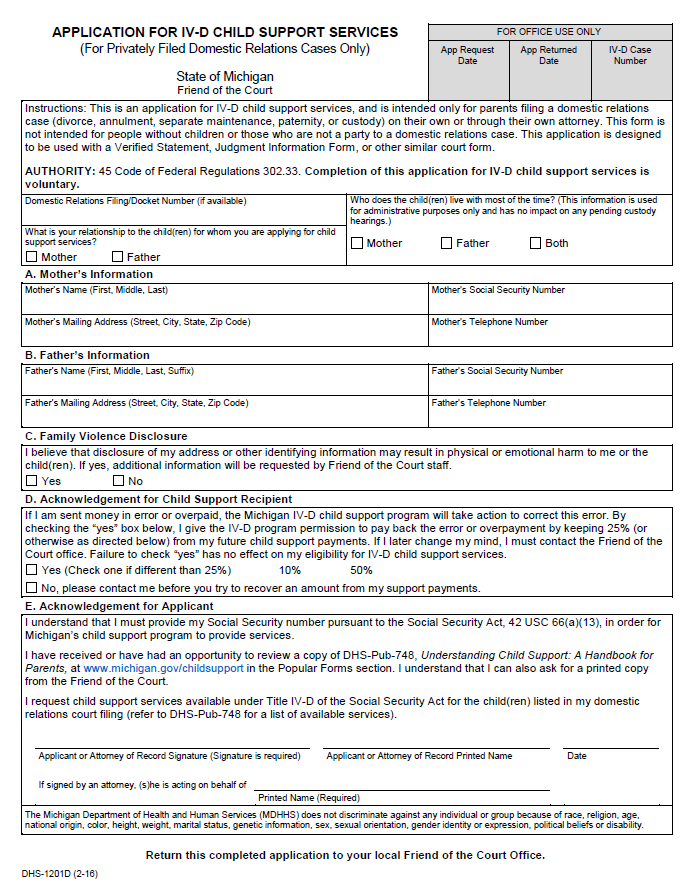
Establishing paternity is crucial for many reasons, including legal rights, financial support, and emotional well-being. The Department of Human Services (DHS) plays a key role in facilitating paternity testing to ensure that children have access to the care and support they deserve.
Legal Rights
By determining paternity through DHS paternity testing, children are granted legal rights such as inheritance, social security benefits, and medical coverage from both parents. This legal recognition provides stability and security for the child’s future.
Financial Support
Paternity testing conducted by DHS helps ensure that both parents contribute financially to the upbringing of their child. This financial support can cover expenses such as education, healthcare, and basic needs, promoting the child’s overall well-being.
Emotional Well-Being
Knowing one’s biological origins can have a significant impact on a child’s emotional well-being. DHS paternity testing helps establish a sense of identity and belonging for the child, fostering healthy relationships with both parents and extended family members.
Conclusion
In conclusion, DHS paternity testing serves as a vital tool in safeguarding the rights and welfare of children. By accurately establishing paternity, children can benefit from legal protections, financial stability, and emotional fulfillment. It is essential for all parties involved to cooperate with DHS in this process to ensure that every child receives the care and support they need.
Understanding DHS Paternity Testing: Top 6 Frequently Asked Questions
- How do I request a paternity test through DHS?
- What is the process for conducting a paternity test with DHS?
- Is DHS paternity testing confidential?
- How long does it take to receive the results of a DHS paternity test?
- What happens if one of the potential fathers refuses to take the paternity test through DHS?
- Can I use the results of a DHS paternity test in legal proceedings?
How do I request a paternity test through DHS?
To request a paternity test through the Department of Human Services (DHS), individuals typically need to start by contacting their local DHS office or child support agency. They can inquire about the specific procedures and requirements for initiating a paternity test. DHS may provide guidance on filling out necessary forms, scheduling appointments for testing, and explaining the potential implications of the test results. It is important to follow the instructions provided by DHS closely to ensure a smooth process and accurate determination of paternity.
What is the process for conducting a paternity test with DHS?
The process for conducting a paternity test with the Department of Human Services (DHS) typically involves several steps. First, individuals seeking a paternity test through DHS must contact their local office to inquire about the specific procedures and requirements. They may need to provide identification, complete paperwork, and possibly pay a fee depending on their circumstances. DHS will then schedule an appointment for the testing, which usually involves collecting DNA samples from the child, alleged father, and sometimes the mother. These samples are sent to a certified laboratory for analysis, and once the results are available, DHS will communicate them to the parties involved. It is important to follow DHS guidelines and instructions throughout the process to ensure accurate and reliable results for establishing paternity.
Is DHS paternity testing confidential?
DHS paternity testing is conducted with strict confidentiality to protect the privacy of all parties involved. The Department of Human Services ensures that the results of paternity tests are kept confidential and only shared with authorized individuals, such as the parents and legal representatives. Confidentiality is a top priority in the paternity testing process to safeguard sensitive information and maintain trust between the parties seeking resolution.
How long does it take to receive the results of a DHS paternity test?
The timeline for receiving the results of a DHS paternity test can vary depending on several factors, such as the specific testing method used, the volume of tests being processed, and any potential complications or delays in sample collection or analysis. In general, DHS strives to provide timely and accurate results to all parties involved. Typically, results can be expected within a few weeks to a couple of months after the samples are collected. It is important to stay in communication with DHS throughout the process for updates on the status of the testing and to address any concerns or questions that may arise during this waiting period.
What happens if one of the potential fathers refuses to take the paternity test through DHS?
When one of the potential fathers refuses to take the paternity test through DHS, it can complicate the process of establishing paternity and determining parental rights and responsibilities. In such cases, DHS may take legal steps to compel the individual to undergo the test. Refusal to cooperate with paternity testing can have consequences, including potential court orders and legal ramifications. It is important for all parties involved to understand the significance of paternity testing in ensuring the well-being of the child and to comply with the necessary procedures for a fair and accurate determination of paternity.
Can I use the results of a DHS paternity test in legal proceedings?
The results of a DHS paternity test can typically be used in legal proceedings to establish paternity. These results are often admissible in court as evidence to determine parental rights, responsibilities, and obligations. It is important to consult with legal professionals to understand the specific laws and regulations regarding the admissibility of DHS paternity test results in your jurisdiction. Having a legally recognized paternity test can be crucial in various legal matters, such as child custody, child support, inheritance rights, and other family law proceedings.