
The Advantages of Noninvasive Prenatal Paternity Testing (NIPP)
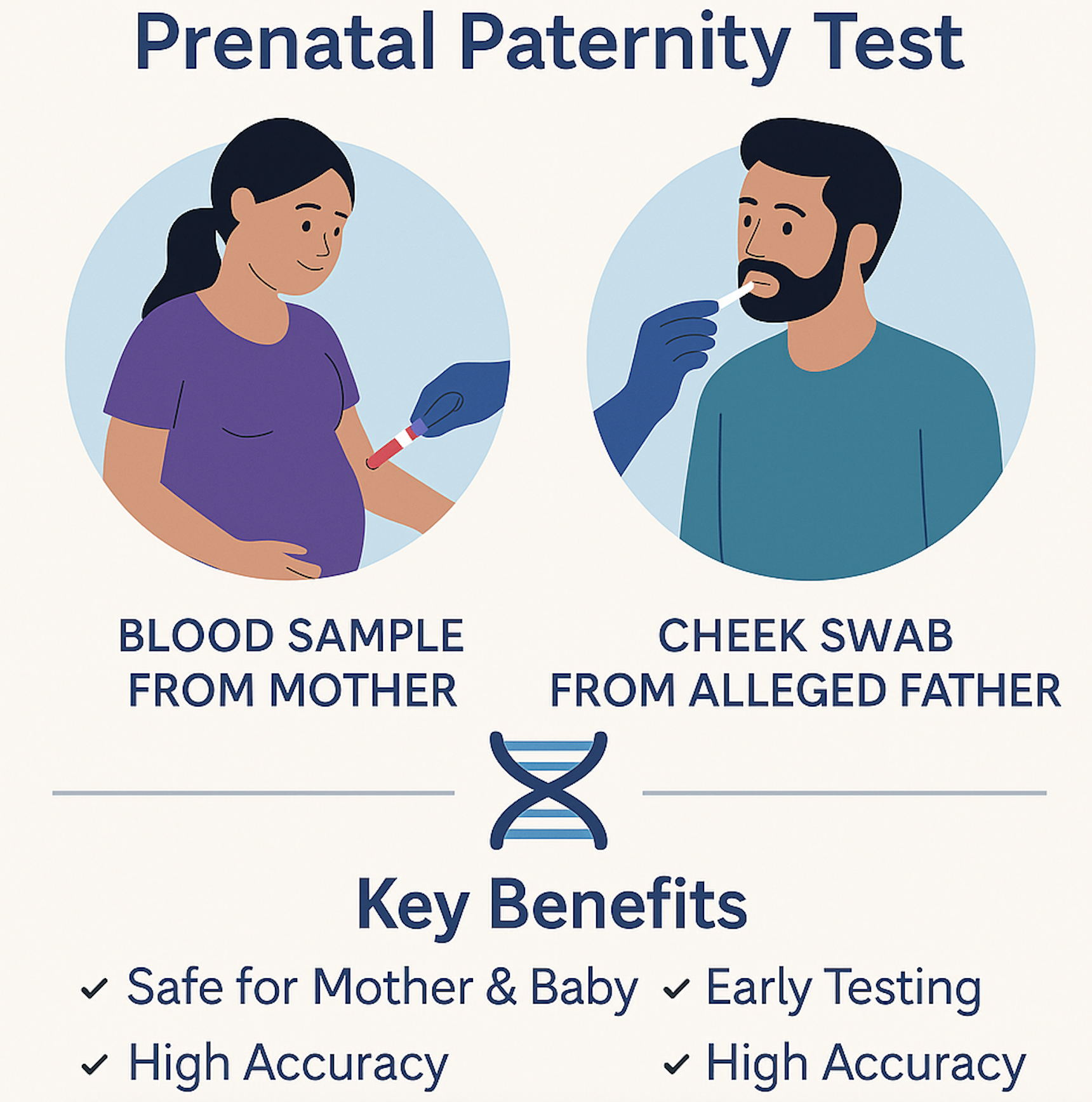
Noninvasive Prenatal Paternity Testing, commonly referred to as NIPP, is a revolutionary method that allows expectant mothers to determine the paternity of their unborn child with a simple blood test. Unlike traditional invasive procedures such as amniocentesis or chorionic villus sampling (CVS), NIPP carries minimal risk to both the mother and the fetus.
Key Benefits of NIPP:
- Safe and Noninvasive: NIPP involves collecting a blood sample from the mother, making it a completely safe and noninvasive procedure that poses no risk to the developing fetus.
- Early Detection: NIPP can be performed as early as 8 weeks into the pregnancy, providing expectant parents with early peace of mind and clarity regarding paternity.
- High Accuracy: NIPP boasts a high accuracy rate, often exceeding 99%, making it a reliable method for determining paternity before the baby is born.
- No Risk of Miscarriage: Unlike invasive prenatal testing methods, NIPP eliminates the risk of miscarriage associated with procedures that involve sampling amniotic fluid or placental tissue.
- Legal Recognition: Many countries and jurisdictions recognize NIPP results as legally admissible for establishing paternity, providing parents with official documentation for legal purposes.
How Does NIPP Work?
NIPP analyzes cell-free fetal DNA present in the mother’s bloodstream to determine genetic markers shared between the father and the unborn child. By comparing these markers, paternity can be established with a high degree of certainty. The process is simple, quick, and typically yields results within a few days.
Considerations Before Choosing NIPP
Prior to opting for Noninvasive Prenatal Paternity Testing, it is important for expectant parents to consider factors such as cost, timing, and emotional readiness for potential outcomes. Consulting with healthcare providers or genetic counselors can help individuals make informed decisions about whether NIPP is the right choice for their situation.
In conclusion, Noninvasive Prenatal Paternity Testing offers a safe, accurate, and early method for determining paternity during pregnancy. With its numerous benefits and minimal risks compared to invasive procedures, NIPP provides expectant parents with valuable information that can impact their future parenting decisions and preparations.
9 Key Benefits of Noninvasive Prenatal Paternity Testing (NIPP)
- Safe and noninvasive procedure
- Early detection of paternity as early as 8 weeks into pregnancy
- High accuracy rate exceeding 99%
- No risk of miscarriage associated with invasive testing methods
- Results are legally recognized in many jurisdictions
- Simple and quick process for determining paternity
- Minimal discomfort for the mother during testing
- Provides peace of mind and clarity for expectant parents
- Allows for informed decision-making regarding paternity before the baby is born
5 Drawbacks of Noninvasive Prenatal Paternity Testing: Cost, Accuracy, Timing, Emotional Impact, and Legal Challenges
Safe and noninvasive procedure
A significant advantage of Noninvasive Prenatal Paternity Testing (NIPP) is its safety and noninvasiveness. Unlike traditional invasive prenatal testing methods that carry risks to both the mother and the fetus, NIPP involves a simple blood draw from the mother, posing no harm to the developing baby. This noninvasive approach provides expectant parents with a peace of mind knowing that they can determine paternity without putting their pregnancy at risk, making it a preferable option for those seeking clarity on paternity during pregnancy.
Early detection of paternity as early as 8 weeks into pregnancy
One significant advantage of Noninvasive Prenatal Paternity Testing (NIPP) is the ability to detect paternity as early as 8 weeks into pregnancy. This early detection allows expectant parents to gain clarity and peace of mind regarding paternity at a much earlier stage than traditional methods would permit. By offering this insight sooner in the pregnancy, NIPP empowers parents to make informed decisions and begin planning for the future with confidence and certainty.
High accuracy rate exceeding 99%
One of the significant advantages of Noninvasive Prenatal Paternity Testing (NIPP) is its exceptional accuracy rate, often exceeding 99%. This high level of accuracy provides expectant parents with a reliable and trustworthy method for determining paternity before the baby is born. With such precision in results, individuals can have peace of mind knowing that the information they receive from NIPP is highly dependable, helping them make informed decisions regarding their family’s future.
No risk of miscarriage associated with invasive testing methods
One significant advantage of Noninvasive Prenatal Paternity Testing (NIPP) is the absence of any risk of miscarriage typically associated with invasive testing methods. Unlike procedures like amniocentesis or chorionic villus sampling (CVS) that carry a small but inherent risk to the pregnancy, NIPP involves a simple blood draw from the mother, posing no threat to the developing fetus. This ensures peace of mind for expectant parents seeking paternity clarity without compromising the safety of their pregnancy.
Results are legally recognized in many jurisdictions
One significant advantage of Noninvasive Prenatal Paternity Testing (NIPP) is that the results obtained from this method are often legally recognized in many jurisdictions. This means that parents can use the documented results as official proof of paternity, which can be crucial for legal matters such as child custody, inheritance rights, and other parental responsibilities. Having legally recognized NIPP results provides peace of mind and clarity for parents seeking to establish paternity before the birth of their child, ensuring that they have the necessary legal documentation to support their parental rights.
Simple and quick process for determining paternity
The noninvasive prenatal paternity test (NIPP) offers a significant advantage in its simple and quick process for determining paternity. By analyzing cell-free fetal DNA in the mother’s bloodstream, NIPP can provide accurate results within a few days, allowing expectant parents to gain clarity on paternity early in the pregnancy. This streamlined approach not only reduces the waiting time for crucial information but also offers a convenient and efficient way to establish paternity without invasive procedures, ensuring a smooth and stress-free experience for families seeking answers.
Minimal discomfort for the mother during testing
One significant advantage of Noninvasive Prenatal Paternity Testing (NIPP) is the minimal discomfort experienced by the mother during the testing process. Unlike invasive procedures that may cause physical discomfort or anxiety, NIPP involves a simple blood draw from the mother, making it a noninvasive and painless method of determining paternity. This aspect of NIPP not only prioritizes the well-being and comfort of the expectant mother but also ensures a stress-free testing experience that can provide peace of mind and clarity regarding paternity without added discomfort or inconvenience.
Provides peace of mind and clarity for expectant parents
The Noninvasive Prenatal Paternity Test (NIPP) offers a significant advantage by providing peace of mind and clarity for expectant parents. By allowing parents to determine paternity with a simple and safe blood test, NIPP alleviates uncertainties and anxieties that may arise during pregnancy. This early access to paternity information empowers parents to make informed decisions, strengthen family bonds, and prepare for the future with confidence and reassurance.
Allows for informed decision-making regarding paternity before the baby is born
Noninvasive Prenatal Paternity Testing (NIPP) offers the significant advantage of allowing expectant parents to make informed decisions regarding paternity before the baby is born. By providing accurate and reliable results early in the pregnancy, NIPP empowers parents to plan for the future with clarity and confidence. This proactive approach enables individuals to address paternity issues, establish parental rights, and prepare emotionally and logistically for the arrival of their child. The ability to confirm paternity before birth through NIPP facilitates a smoother transition into parenthood and fosters a sense of security and stability for both the parents and the unborn child.
Cost
One significant drawback of Noninvasive Prenatal Paternity Testing (NIPP) is its cost, which can be higher compared to traditional paternity testing methods. The advanced technology and specialized processes involved in NIPP contribute to its elevated price point, making it a less affordable option for some individuals or families seeking paternity confirmation during pregnancy. The increased cost of NIPP may pose a financial challenge for those who are on a tight budget or have limited resources, potentially limiting access to this noninvasive and convenient testing method for determining paternity before the baby is born.
Accuracy Limitations
While Noninvasive Prenatal Paternity Testing (NIPP) is known for its high accuracy, it is important to acknowledge the con of potential accuracy limitations. Despite its reliability, there exists a small margin of error that could result in inconclusive test outcomes. This aspect of NIPP highlights the need for careful consideration and understanding that, in rare cases, results may not definitively establish paternity. Expectant parents should be aware of this limitation and be prepared for the possibility of inconclusive findings when opting for NIPP as a method of prenatal paternity testing.
Timing Constraints
One notable drawback of Noninvasive Prenatal Paternity Testing (NIPP) is the potential timing constraints it presents. Unlike certain other paternity testing methods that offer quicker turnaround times for results, NIPP may require a longer waiting period before conclusive findings are available. This delay in receiving results could potentially add to the emotional stress and uncertainty experienced by expectant parents awaiting paternity confirmation, impacting their ability to plan and make informed decisions within a shorter timeframe.
Emotional Impact
The emotional impact of Noninvasive Prenatal Paternity Testing (NIPP) is a significant con to consider. The results obtained from NIPP, whether they confirm or disprove paternity, can have profound emotional implications for expectant parents. The process of awaiting and receiving these results can be filled with anxiety, uncertainty, and potential distress as individuals grapple with the potential outcomes and their implications for their relationships and family dynamics. It is crucial for expectant parents to be prepared for the emotional challenges that may arise from undergoing NIPP and to seek support from healthcare providers or counselors to navigate these feelings effectively.
Legal Recognition Variability
Legal Recognition Variability is a significant con associated with Noninvasive Prenatal Paternity Testing (NIPP). The admissibility of NIPP results for establishing paternity can vary greatly depending on the jurisdiction or court system in which the case is being presented. While some regions may readily accept NIPP findings as conclusive evidence of paternity, others may require additional verification or may not recognize NIPP results at all. This variability in legal recognition can create uncertainty and potential challenges for individuals seeking to use NIPP results in legal proceedings related to paternity disputes. It is essential for individuals considering NIPP to be aware of the legal nuances and requirements specific to their location before relying solely on NIPP results for legal purposes.