
Free NIPP Test: What to Know About Noninvasive Prenatal Paternity Testing
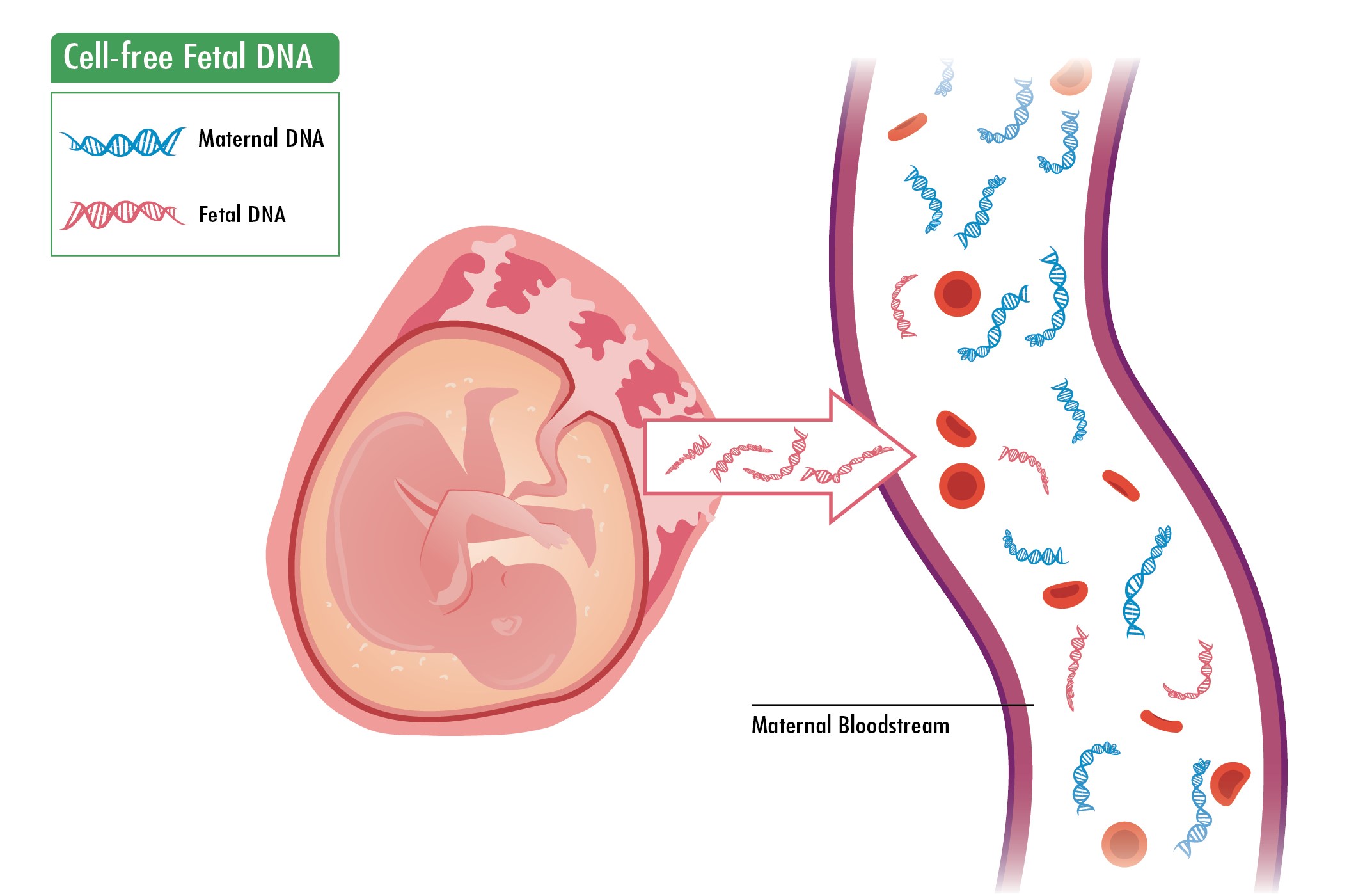
People searching for a “free NIPP test” are often looking for a way to establish paternity during pregnancy without an invasive procedure. NIPP usually refers to noninvasive prenatal paternity testing. The test analyzes cell-free fetal DNA found in the pregnant person’s blood and compares it with a DNA sample from the possible father.
Although the test is called noninvasive because it uses a blood draw rather than amniocentesis or chorionic villus sampling (CVS), it is still important to understand its cost, limitations, and privacy implications before arranging one.
Is a Free NIPP Test Available?
Commercial NIPP testing is generally a paid service. Because establishing paternity is usually considered a personal or legal matter rather than routine prenatal care, health insurance and public health programs typically do not cover it. Coverage rules vary, so anyone considering testing can check directly with their insurer and healthcare provider.
Some testing companies may offer payment plans, reduced fees, or financial assistance. Research studies may sometimes provide testing at no cost to eligible participants, but study availability and requirements vary. Ask what the offer includes, who receives the results, and whether there are any follow-up costs. Be cautious of advertisements promising a “free” test that require payment for shipping, processing, consultations, or a final report.
How Noninvasive Prenatal Paternity Testing Works
A laboratory collects a blood sample from the pregnant person and a DNA sample—often a cheek swab—from the possible father. The lab compares genetic markers in the samples to assess whether the possible father is biologically related to the fetus. Testing may be available in early pregnancy, but the minimum gestational age depends on the laboratory and its methods.
Before booking, ask the provider:
- How many weeks into pregnancy testing is available
- Which samples are required and how they are collected
- What the total price includes
- How long results take
- How accuracy is described and what may affect a result
- How samples and genetic information are stored, shared, and destroyed
- Whether the test is intended for personal information or legal use
Personal Testing and Legal Testing Are Different
A test arranged for personal knowledge may not meet legal requirements. Courts and government agencies may require verified identities, documented consent, and a secure chain of custody for samples. If results may be used in a court case or official proceeding, confirm the requirements with the relevant agency or a qualified attorney before testing. A home collection kit may not be accepted for legal purposes.
Safety, Consent, and Privacy
NIPP testing uses a blood draw and does not require a procedure that enters the uterus. However, testing and results can have significant emotional, family, and legal consequences. Consider discussing questions with a healthcare professional or counselor, particularly if the result could affect safety, relationships, or important decisions.
Genetic data is sensitive. Review the provider’s privacy policy, including whether samples or data may be retained, used for research, or shared with other organizations. Make sure everyone whose DNA is collected has given the consent required by law.
Finding an Affordable Option
If cost is a concern, contact several accredited laboratories and request a written estimate that includes every fee. Ask about financial assistance or payment plans, and verify whether a lower-cost option is suitable for your purpose. A healthcare provider, family-law attorney, or local legal aid organization may also help explain what type of testing is appropriate in your situation.
In short, a genuinely free NIPP test may be available through a research study or a specific assistance program, but most commercial prenatal paternity tests charge a fee. Confirm the provider’s credentials, total cost, privacy practices, and legal suitability before proceeding.
Frequently Asked Questions About Free NIPP Testing and Costs
- Is nipp testing covered by insurance?
- Can you do a DNA test for free?
- Can I get a paternity test done for free?
- How much does a Nipp DNA test cost?
- How can I test my DNA at home for free?
- What is the cost of NIPP?
- Can my OBGYN do a nipp test?
- How accurate is a NIPP DNA test?
Is nipp testing covered by insurance?
NIPP testing for paternity is generally considered elective and is not covered by health insurance. Coverage can vary by plan, so check with your insurer and the testing provider before scheduling, and ask whether the quoted price includes all fees. Medical prenatal genetic screening is a different type of testing and does not establish paternity.
Can you do a DNA test for free?
A DNA test may be available at no cost through a research study, financial-assistance program, or other limited offer, but most private paternity tests—including noninvasive prenatal paternity (NIPP) tests—charge a fee. Before signing up, confirm whether “free” covers the lab analysis and report or whether collection, shipping, or other charges apply. If you need results for a legal matter, ask the court or a qualified attorney what type of test is required, since free or at-home testing may not meet legal requirements.
Can I get a paternity test done for free?
A paternity test is not usually free when arranged privately, though some laboratories may offer financial assistance or payment plans. If paternity is part of a child-support case, your state or local child-support agency may arrange genetic testing, with costs and payment rules varying by location and outcome. Ask the agency or court handling your case about available options, and confirm whether the test must follow legal procedures to be accepted for official purposes.
How much does a Nipp DNA test cost?
A noninvasive prenatal paternity (NIPP) DNA test often costs about $1,000 to $2,000, though the price varies by laboratory, location, and services included. Some providers offer payment plans or financial assistance, but most commercial tests are not free. Ask for a written, all-inclusive quote and confirm whether collection, shipping, and any legal documentation are included.
How can I test my DNA at home for free?
Most at-home DNA tests aren’t free: companies typically charge for the kit, laboratory analysis, and sometimes shipping. A free test may occasionally be available through a research study or assistance program, but check eligibility, privacy terms, and any fees before providing a sample. For a noninvasive prenatal paternity (NIPP) test, the possible father may be able to provide a cheek swab at home, but the pregnant person’s blood sample generally must be collected by a healthcare professional or testing facility.
What is the cost of NIPP?
The cost of a noninvasive prenatal paternity (NIPP) test varies by provider, timing, and whether you need results for personal or legal use; it can range from several hundred dollars to more than $1,000. Ask the testing company for a written estimate covering sample collection, lab processing, shipping, and any additional fees. Most commercial NIPP tests are not covered by insurance, though some providers may offer payment plans or financial assistance.
Can my OBGYN do a nipp test?
Your OB-GYN can explain noninvasive prenatal paternity (NIPP) testing and may be able to collect the blood sample, but most obstetric offices do not perform or interpret paternity tests themselves. Testing is usually arranged through a specialized laboratory, and the possible father typically provides a separate DNA sample. Ask your provider whether they can assist with collection or recommend a reputable lab, and confirm the total cost, timing, privacy practices, and whether the results meet your needs. Availability and insurance coverage vary, and NIPP testing is generally not part of routine prenatal care.
How accurate is a NIPP DNA test?
A noninvasive prenatal paternity (NIPP) test can be highly accurate when performed by a qualified laboratory using validated methods, but accuracy depends on the test, sample quality, and circumstances such as how far along the pregnancy is or whether the possible fathers are closely related. Laboratories typically report a probability of paternity if the result supports a biological relationship, or an exclusion if the DNA does not match. Ask the provider for its documented accuracy, testing limitations, and whether the results meet legal requirements if they may be used in court.