
Genetic Screening: What It Can Tell You—and What It Cannot
Genetic screening looks for changes in a person’s genes or chromosomes that may affect health or be passed on to children. It can help people understand certain health risks, make informed reproductive decisions, or identify conditions early. But screening does not provide a complete picture of someone’s health, and a result often needs to be interpreted alongside personal and family medical history.
How Genetic Screening Works
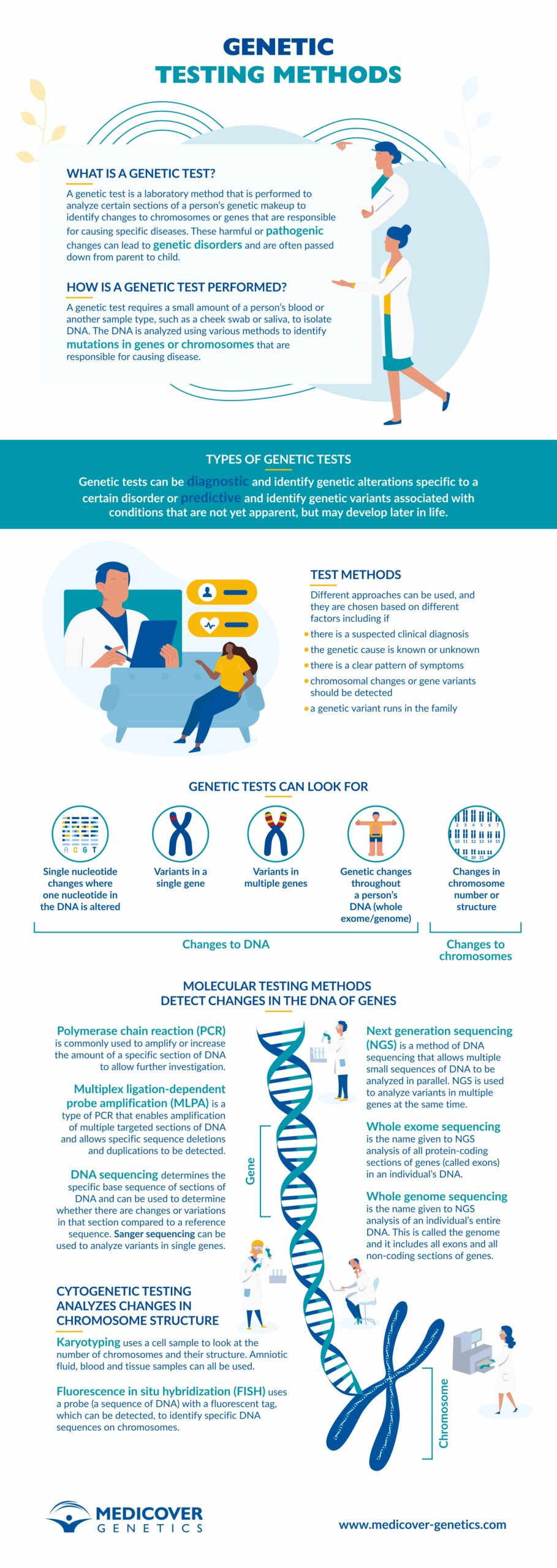
Most genetic screening uses a sample of blood, saliva, or cells collected with a cheek swab. A laboratory analyzes the sample for particular genetic variants or chromosome differences. The test may look for one condition, a group of conditions, or a broad range of genetic changes.
Screening is different from diagnostic testing. A screening test estimates whether a person has an increased chance of a condition; it usually cannot confirm or rule out that condition on its own. A positive or uncertain screening result may lead to additional testing. Diagnostic tests are used to help determine whether a specific condition is present.
Common Types of Genetic Screening
- Carrier screening: Checks whether someone carries a genetic variant associated with an inherited condition. Carriers often have no symptoms themselves. When both biological parents carry certain variants for the same condition, a child may have an increased chance of inheriting it.
- Prenatal screening: Estimates the chance that a pregnancy is affected by certain chromosome conditions or inherited disorders. Screening options vary by pregnancy and individual circumstances; some tests analyze fetal DNA fragments circulating in the pregnant person’s blood.
- Newborn screening: Tests newborns for selected conditions, including some that may not be apparent at birth but can benefit from early treatment. The conditions included depend on the screening program.
- Health-risk screening: Looks for genetic variants associated with a higher likelihood of developing certain conditions, such as some inherited cancers. An increased risk does not mean a person will definitely develop the condition.
Potential Benefits
Genetic screening may offer useful information for patients and families. Depending on the test and result, it can help guide follow-up care, identify options for prevention or early detection, inform reproductive planning, or help relatives decide whether they may benefit from testing. For some inherited conditions, learning about risk can support timely evaluation and treatment.
Screening can also raise questions that are personal, emotional, or difficult to anticipate. People may want to consider what they hope to learn, how they might use the information, and whether they are comfortable receiving unexpected findings before testing.
Understanding the Limitations
No genetic test detects every possible genetic change or predicts every health outcome. A negative result may lower the likelihood of a condition but cannot always eliminate it. A positive result may indicate increased risk rather than certainty. Results can also be inconclusive when current evidence does not clearly show whether a genetic variant affects health.
Genetic information is only one part of health. Age, environment, lifestyle, medical history, and other factors may also influence whether a condition develops. Direct-to-consumer tests can provide information about selected variants, but they may not be designed to diagnose disease or guide medical care. Discussing relevant findings with a qualified health professional can help put them in context.
Privacy and Family Considerations
Genetic results can reveal information about biological relatives as well as the person tested. Before testing, it may be helpful to ask how the sample and results will be stored, who can access them, whether information may be shared with third parties, and whether the sample can be destroyed upon request. Privacy protections and policies can vary by test provider and by the type of information involved.
Some results may have implications for family members, including relatives who have not been tested. Sharing results can help relatives make informed decisions, but families may have different preferences about discussing genetic information. A genetic counselor or other qualified professional can help people consider how to communicate results.
Making an Informed Decision
Before choosing a genetic screening test, consider speaking with a healthcare provider or genetic counselor. Helpful questions include:
- What conditions or variants does the test examine?
- What can the results tell me—and what can they not tell me?
- Could the test produce uncertain or unexpected findings?
- Would another test be needed to confirm a result?
- How might the results affect medical care or family planning?
- How will my genetic information be stored and protected?
Genetic screening can be a valuable tool when its purpose and limits are clear. Understanding the test, considering personal and family circumstances, and reviewing results with a qualified professional can help people decide whether screening is right for them.
5 Essential Tips to Navigate Genetic Screening
- Ask what the screening can and cannot tell you.
- Discuss your personal and family history with a healthcare professional.
- Consider genetic counseling before and after screening.
- Ask about possible costs, privacy, and insurance implications.
- Remember that a screening result is not always a diagnosis.
Ask what the screening can and cannot tell you.
Before having genetic screening, ask what the test is designed to detect—and what it may miss. Screening often estimates the likelihood of a condition rather than confirming a diagnosis, and a negative result may not rule out every genetic risk. Ask whether a positive or unclear result would require follow-up testing and how the findings could affect your care or family planning. A healthcare professional or genetic counselor can help explain the test’s limits and put results in context.
Discuss your personal and family history with a healthcare professional.
Before genetic screening, talk with a healthcare professional about your personal and family medical history, including any known diagnoses, recurring health conditions, or patterns of illness among relatives. This context can help determine which tests may be appropriate and how to interpret the results. Share what you know, and ask whether a genetic counselor could help assess your family’s risk and explain your options.
Consider genetic counseling before and after screening.
Consider meeting with a genetic counselor before and after genetic screening. Before testing, a counselor can explain what the test looks for, its limitations, and the possible outcomes, helping you decide whether screening is right for you. Afterward, they can interpret your results in the context of your health and family history, discuss whether follow-up testing or care may be appropriate, and help you consider what the findings could mean for relatives.
Ask about possible costs, privacy, and insurance implications.
Before genetic screening, ask what the test and any follow-up care may cost, including what your health plan does or does not cover. Find out how the testing provider will store, use, and share your sample and results, and whether you can request that they be deleted. It may also help to ask how genetic information could affect insurance coverage; protections vary by insurance type and circumstances, so consider discussing your questions with a genetic counselor or insurance professional before testing.
Remember that a screening result is not always a diagnosis.
Remember that a genetic screening result is not always a diagnosis. Screening tests estimate the likelihood of a genetic condition or identify a possible risk, but they may not confirm whether the condition is present. A positive or unclear result may require follow-up testing and discussion with a healthcare provider or genetic counselor, who can explain what the findings mean and help you decide on next steps.