
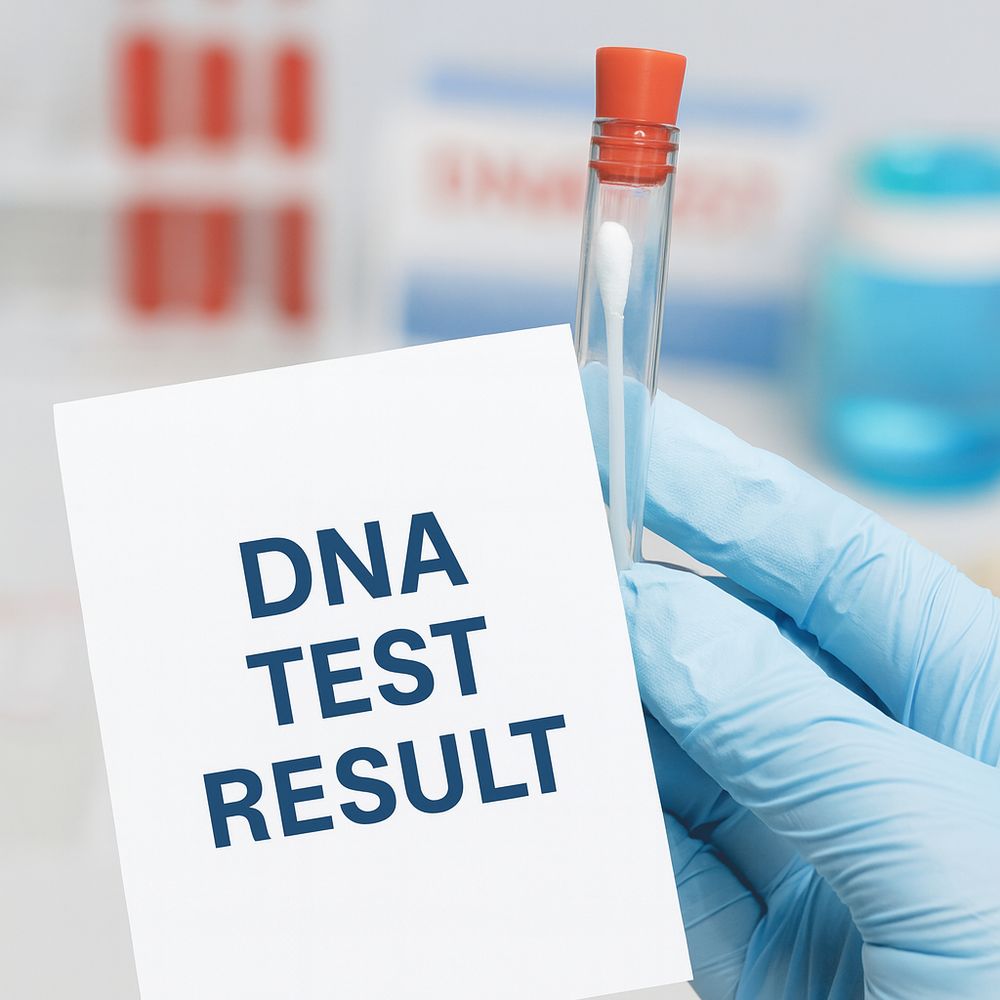
How to Get a DNA Test Near Me
If you’re searching for a “DNA test near me,” the right option depends on what you want to learn. You may be looking for a paternity test, a relationship test, an ancestry test, or a test ordered for a medical reason. Before booking, consider what the results will be used for and whether the test needs to meet specific legal or medical requirements.
Choose the Type of DNA Test You Need
DNA testing services are not all the same. Common options include:
- Paternity testing: Compares a child’s DNA with an alleged father’s DNA to assess biological paternity.
- Other relationship testing: May help assess biological relationships such as siblingship, grandparentage, or avuncular relationships.
- Ancestry testing: Estimates genetic ancestry and may identify genetic relatives, depending on the company’s database and services.
- Medical genetic testing: Looks for genetic information related to health. It may require guidance from a healthcare professional or genetic counselor.
If you need results for a court, government agency, or another official purpose, ask about a legal test before scheduling. A home test or an informational test may not meet the requirements for official use.
Where to Find a DNA Testing Location
Depending on the type of test, nearby options may include a dedicated DNA testing center, a laboratory collection site, a healthcare provider’s office, or a mobile specimen collector. Some companies also offer at-home kits. Keep in mind that a collection location may only take the sample; the laboratory that analyzes it could be elsewhere.
Search for services that clearly explain their collection process, laboratory, pricing, and expected turnaround time. If the test is for a legal matter, confirm that the provider can arrange an appointment with identity verification and documented sample handling.
What to Check Before Booking
- Purpose and acceptance: Verify that the test is appropriate for your needs and will be accepted by the organization requesting it.
- Laboratory credentials: Ask who analyzes the samples and what relevant accreditations or quality standards apply.
- Collection procedure: Find out whether samples are collected at a clinic, testing center, or home, and what identification is required.
- Total cost: Ask whether the quoted price includes collection, laboratory analysis, shipping, and a written report.
- Timing: Request an estimated turnaround time and check whether weekends, shipping, or additional participants affect it.
- Privacy: Review how your sample and genetic information are stored, used, shared, and eventually discarded.
- Consent: Make sure each participant understands the test and provides any consent required by law or the provider.
What Happens During a DNA Test?
Many DNA tests use a cheek swab. A collection professional or the person taking the test rubs a sterile swab against the inside of the cheek to collect cells. Some tests use other sample types. Follow the provider’s instructions carefully, especially if the sample is being collected at home.
For legal testing, the provider may verify participants’ identities, take photographs or other documentation, and record each transfer of the sample. These procedures help establish that the samples came from the identified participants and were handled appropriately.
Legal DNA Testing vs. At-Home Testing
An at-home test may be convenient for personal information, but it may not establish who provided each sample. A legal test generally includes identity checks and documented sample handling. If results may be used in a court case or official process, contact the requesting agency or a qualified legal professional to learn what it requires before arranging testing.
Rules and requirements can vary by location and by the purpose of the test. Do not assume that a test advertised as “legal” will automatically satisfy every court or agency.
Questions to Ask a Local Provider
Before you schedule, consider asking:
- Do you offer the specific type of DNA test I need?
- Is this an informational test or a legal test?
- Where will the sample be analyzed?
- What documents or identification should participants bring?
- What is the full cost, and are there extra collection or shipping fees?
- How will my genetic information be protected?
- When should I expect results, and how will they be delivered?
Finding the Right DNA Test Near You
To find a suitable DNA test near you, start by identifying the purpose of the test, then compare local collection options and at-home services. Confirm the provider’s credentials, privacy practices, complete cost, and whether the results will meet your intended use. Taking time to ask these questions can help you choose a service that fits your needs and avoid delays or unexpected expenses.
DNA results can have personal, family, legal, or medical implications. If you have questions about what a result means or how it may affect you, consider speaking with a qualified healthcare professional, genetic counselor, or legal professional, as appropriate.
Top 8 FAQs About Getting a DNA Test Near You: Costs, Locations, and Accuracy
- How much does it cost to do DNA test?
- Where can I go to get a free DNA test?
- How much is an official DNA test?
- How much does it cost to get your DNA tested?
- How much does a DNA match test cost?
- What is the fastest way to get a DNA test?
- Is a DNA test 100% accurate?
- Can I do a DNA test for free?
How much does it cost to do DNA test?
The cost of a DNA test varies by test type, provider, and whether you need results for personal information or official use. At-home ancestry or relationship tests may cost less, while legal paternity tests can cost more because they often include identity verification and documented sample handling. Medical genetic testing may have different pricing and insurance coverage. Before booking, ask for the total price, including sample collection, lab analysis, shipping, and any extra fees, and confirm that the test meets your needs.
Where can I go to get a free DNA test?
Free DNA testing may be available in limited situations, such as through a court or state child-support agency in a paternity case, or through a research study or assistance program. Eligibility and costs vary, and a test offered for personal information may not meet legal requirements. Contact your local child-support agency or the organization requesting the test to ask about no-cost options, who qualifies, and whether the results will be accepted for your purpose.
How much is an official DNA test?
The cost of an official DNA test varies by provider, location, and test type, but a legal paternity test commonly costs a few hundred dollars. The total may depend on how many people are tested and whether the price includes identity verification, sample collection, shipping, and a written report; expedited results may cost extra. Before booking, ask for the full price and confirm that the testing process meets the requirements of the court or agency that will receive the results.
How much does it cost to get your DNA tested?
The cost of a DNA test depends on the type of test and how the sample is collected. At-home ancestry kits often cost around $50–$150, while paternity and other relationship tests can range from a few hundred dollars to more, especially when legal documentation or an in-person collection is required. Medical genetic testing may cost more and could be partly covered by insurance. Ask the provider for the full price, including collection, shipping, and any fees for additional participants, before booking.
How much does a DNA match test cost?
The cost of a DNA match test depends on the type of relationship being tested, how many people participate, and whether the results need to be legally admissible. In the U.S., an at-home paternity test may cost roughly $100–$200, while a legal paternity test with identity verification and documented sample handling often costs more; other relationship tests can also vary in price. Ask the provider for the total cost, including collection, shipping, and any fees for additional participants, and confirm that the test meets your intended purpose before booking.
What is the fastest way to get a DNA test?
The fastest way to get a DNA test is to contact a nearby testing provider and ask about the earliest available appointment, same-day sample collection, and the laboratory’s turnaround time. Many tests use a simple cheek swab, but results are not immediate; processing time varies by test type, provider, and shipping. If you need results for court or another official purpose, request a legal test and confirm its requirements before booking, since identity checks and documented sample handling may affect scheduling.
Is a DNA test 100% accurate?
No DNA test is guaranteed to be 100% accurate in every circumstance. Results depend on the type of test, sample quality, laboratory procedures, and whether the samples are correctly identified and handled. A properly conducted paternity test can typically show a very high probability of paternity when the tested person is the biological parent, or exclude paternity when the genetic markers are inconsistent. If results are needed for legal purposes, choose a test with identity verification and documented sample handling, and ask the provider how its findings are reported.
Can I do a DNA test for free?
Free DNA testing is uncommon, but some programs may offer no-cost testing in specific situations, such as through a court, government agency, research study, or eligible health program. Availability and eligibility vary, and a free test may not be suitable for personal, legal, or medical purposes. Before providing a sample, confirm what the test covers, who will receive the results, how your genetic information will be handled, and whether the results meet your needs.