
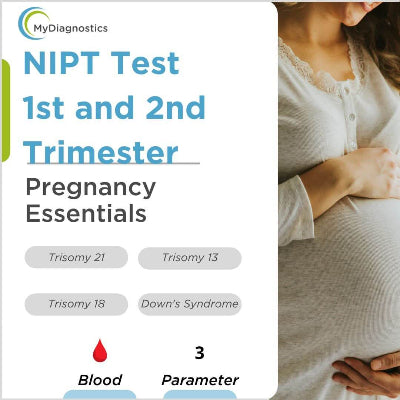
NIP Paternity Test: How Non-Invasive Prenatal Paternity Testing Works
A non-invasive prenatal (NIP) paternity test can help determine whether a man is the biological father of a pregnancy before the baby is born. Unlike some prenatal procedures, this type of test does not require collecting a sample directly from the pregnancy. Instead, it typically analyzes a blood sample from the pregnant person and a cheek-swab sample from the alleged father.
“NIP paternity test” is also commonly called a non-invasive prenatal paternity test (NIPP). Testing methods, eligibility requirements, timing, and accuracy can vary by laboratory, so it is important to review the details with a qualified provider before ordering a test.
How a Non-Invasive Prenatal Paternity Test Works
During pregnancy, small fragments of the pregnancy’s DNA circulate in the pregnant person’s bloodstream. A laboratory can analyze DNA from a blood sample and compare it with DNA from the alleged father, usually collected with a cheek swab. The laboratory looks for genetic markers that can help assess whether the alleged father is biologically related to the fetus.
The test is considered non-invasive because the pregnant person’s sample is collected through a blood draw. The procedure does not involve inserting a needle into the uterus or collecting tissue from the pregnancy.
When Can the Test Be Done?
Some laboratories offer non-invasive prenatal paternity testing early in pregnancy, but the earliest eligible week depends on the laboratory’s method and requirements. A laboratory may also need information such as the pregnancy’s gestational age and whether the pregnancy involves twins or more than one fetus. Contact the laboratory directly to confirm when testing is appropriate and what information is needed.
What the Results Can—and Can’t—Tell You
A test report generally states whether the alleged father is excluded as the biological father or whether the genetic findings support paternity. The report may include a probability of paternity, but the exact format and interpretation depend on the laboratory.
No test result should be interpreted without understanding the laboratory’s methods, limitations, and quality standards. Factors such as sample quality, pregnancy characteristics, or an unreported close biological relationship between possible fathers may affect how results are evaluated. Ask the laboratory how it handles these circumstances and whether additional testing may be needed.
Personal Testing vs. Legal Testing
A test ordered for personal information may not meet the requirements for use in court or an official legal process. Legal testing typically requires verified identification, documented sample collection, and a chain of custody showing how the samples were handled.
If the results may be used for child support, custody, birth-record changes, or another legal matter, ask the relevant court, agency, or attorney what type of test is required before arranging testing. A personal-use test may not be accepted as legal proof.
How It Differs From CVS and Amniocentesis
Chorionic villus sampling (CVS) and amniocentesis are medical procedures used for prenatal diagnosis. They involve collecting a sample from the pregnancy and carry procedure-related risks. They should only be considered with guidance from a qualified healthcare professional.
A non-invasive prenatal paternity test uses a blood sample from the pregnant person instead of collecting a sample directly from the pregnancy. It is not a substitute for prenatal medical care or diagnostic testing recommended by a healthcare provider.
Choosing a Testing Provider
Before selecting a provider, consider asking:
- What is the earliest week of pregnancy when testing is available?
- What samples are required, and how are they collected?
- How does the laboratory assess and report its results?
- Is the test for personal information, legal use, or both?
- What happens if a sample is insufficient or the result is inconclusive?
- How are personal and genetic data stored, shared, and protected?
- What are the total costs, including any fees for repeat testing?
Privacy and Emotional Considerations
Paternity testing can have important personal, family, and legal consequences. Before testing, consider who will receive the results, how the results may affect the people involved, and whether support from a counselor, healthcare professional, or attorney would be helpful. Review the provider’s privacy policy to understand how samples and genetic information are handled.
In Summary
A non-invasive prenatal paternity test uses a blood sample from the pregnant person and a DNA sample from the alleged father to assess biological paternity during pregnancy. It avoids collecting a sample directly from the pregnancy, but testing requirements and result interpretation vary. Confirm the details with the laboratory, consult a healthcare professional about pregnancy-related questions, and verify legal requirements if the results may be used in an official proceeding.
Noninvasive Prenatal Paternity Testing: 7 Frequently Asked Questions
- How is a NIPT test done?
- Can I get a DNA test early during pregnancy?
- What happens if NIPT is positive?
- How accurate is the NIPP paternity test?
- Can you do paternity test with NIPT?
- Why do people opt out of NIPT testing?
- What is the cost of a NIPT test for paternity?
How is a NIPT test done?
A non-invasive prenatal paternity test is usually done by collecting a blood sample from the pregnant person and a cheek-swab sample from the alleged father. The laboratory analyzes pregnancy-related DNA fragments circulating in the blood and compares them with the alleged father’s DNA. The process does not require a sample to be taken directly from the pregnancy, but timing and sample requirements vary by provider. Note that “NIPT” often refers to prenatal screening for chromosome conditions, which is a different test; confirm that the provider offers prenatal paternity testing.
Can I get a DNA test early during pregnancy?
Yes, a non-invasive prenatal paternity test may be available early in pregnancy. Many providers offer testing starting around the seventh or eighth week, but the minimum gestational age and requirements vary by laboratory. The test usually compares fetal DNA found in the pregnant person’s blood with a cheek-swab sample from the alleged father. Confirm timing, accuracy, costs, and any pregnancy-specific limitations directly with the testing provider, and consult a healthcare professional if you have questions.
What happens if NIPT is positive?
If a non-invasive prenatal paternity test (NIPPT) is reported as positive, it generally means the alleged father was not excluded and the DNA results support that he is the biological father, often with a stated probability. Review the report with the testing laboratory, since wording and interpretation can vary. If the result is needed for a court or other legal matter, confirm that the test followed the required identification and chain-of-custody procedures; a personal-use test may not be accepted as legal evidence. Note that “NIPT” can also mean a prenatal screening test for chromosomal conditions, so check which test the result refers to.
How accurate is the NIPP paternity test?
A non-invasive prenatal paternity (NIPP) test can be highly accurate when performed by a qualified laboratory using properly collected samples, but accuracy depends on the laboratory’s method and the circumstances of the pregnancy. Results typically report whether the alleged father is excluded or provide a probability of paternity; ask the lab how to interpret its specific report and what limitations may apply. If the result will be used for legal purposes, confirm that the test meets the relevant legal and chain-of-custody requirements.
Can you do paternity test with NIPT?
A standard NIPT (non-invasive prenatal test) screens for certain chromosomal conditions and is not designed to determine paternity. Some specialized non-invasive prenatal paternity tests can compare fetal DNA fragments in the pregnant person’s blood with a cheek-swab sample from the alleged father. If you’re considering testing, contact a qualified laboratory to confirm what test is offered, when it can be performed, and whether the results meet your needs; legal use may require a test with verified identification and documented sample handling.
Why do people opt out of NIPT testing?
People may opt out of NIPT for personal, financial, or medical reasons. Some prefer not to receive screening results, are concerned about privacy or possible anxiety from an unclear or false-positive result, or feel the information would not affect their decisions. NIPT is a screening test, not a diagnosis, so a positive result may require follow-up testing. If you mean non-invasive prenatal paternity testing, that is a different test; discuss its purpose, limitations, cost, and privacy practices with the provider before deciding.
What is the cost of a NIPT test for paternity?
The cost of a non-invasive prenatal paternity test varies by laboratory and may range from several hundred dollars to over $1,000. The price can depend on when testing is performed, whether samples are collected at home or at a clinic, turnaround time, and whether documented chain-of-custody procedures are needed for legal use. Ask the provider for a full price quote, including any collection, shipping, or repeat-testing fees, and check whether insurance covers the service, as it is often paid out of pocket.