
Saliva Paternity Tests: How They Work and What to Consider
A saliva paternity test compares a child’s DNA with the DNA of a possible biological father. Although these tests are often called “saliva tests,” most use a cheek swab to collect cells from inside the mouth rather than a tube of spit. The process is usually simple, but choosing the right kind of test matters—especially if the result may be used in court or for official purposes.
How a Saliva Paternity Test Works
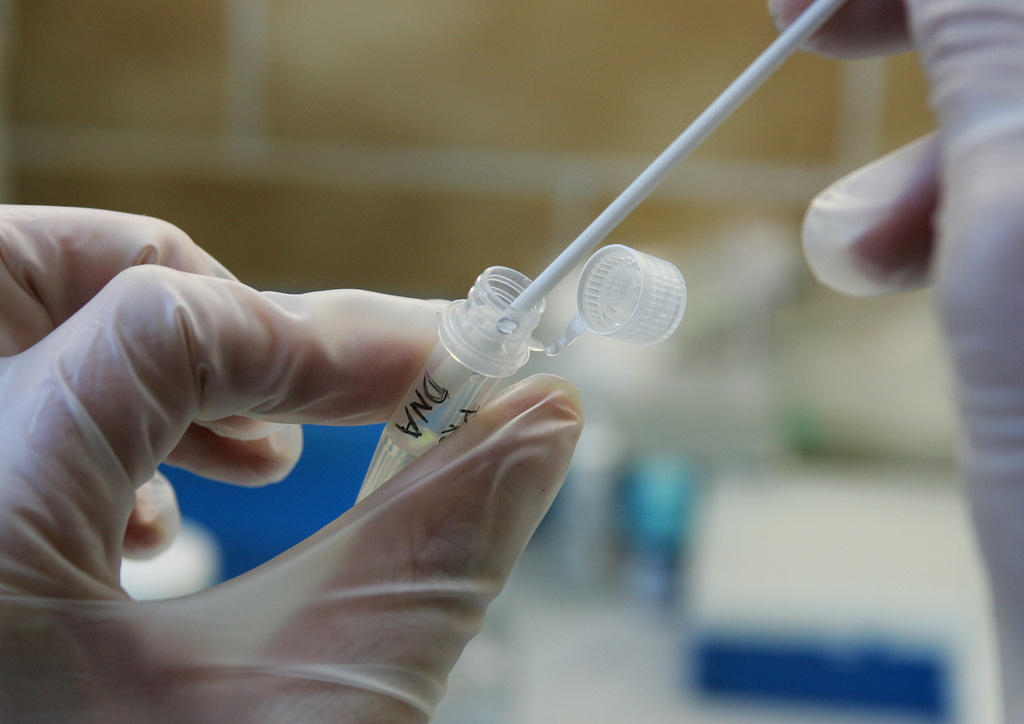
Most saliva-based paternity tests use sterile swabs rubbed against the inside of each participant’s cheek. The swab collects cells that contain DNA. A laboratory analyzes selected genetic markers from the child and the alleged father, then compares the results to assess whether they are consistent with a biological parent-child relationship.
Samples are generally collected from the child and alleged father. Including the child’s mother may provide additional information, but it is not always required. The testing provider can explain which participants are needed for a particular test.
What the Results Can Show
A paternity test may exclude a tested person as the biological father or report a probability of paternity when the genetic results are consistent with paternity. A result showing exclusion means the tested person is not the child’s biological father, barring unusual circumstances such as sample or identification errors. A high probability of paternity indicates strong genetic support for the relationship; it should not be interpreted as a guarantee about legal parentage or parental rights.
Results and terminology can vary by laboratory. Ask the provider how the findings are calculated and explained, and whether the report is intended for personal information or official use.
At-Home Tests and Legal Tests
An at-home test may be suitable for people who want private information. The participants collect and send in their own samples, following the kit’s instructions. Because identities and sample handling may not be independently verified, an at-home result may not be accepted by a court or government agency.
A legal paternity test follows documented procedures to confirm each participant’s identity and maintain a chain of custody for the samples. Collection is typically supervised by an approved professional, and the documentation records how samples were handled. If the result could affect child support, custody, a birth certificate, inheritance, immigration, or another legal matter, check the relevant court or agency’s requirements before testing. A legally documented test may be required.
Accuracy and Possible Sources of Error
DNA testing is highly reliable when samples are collected, identified, and analyzed correctly. However, mistakes can occur if instructions are not followed, samples are contaminated, or identities are not verified. Close biological relatives of the alleged father—such as a brother or father—can also complicate interpretation. Tell the laboratory about any relevant family relationships and ask whether additional testing or participants are recommended.
Use a laboratory with appropriate experience and recognized accreditation for relationship testing. In the United States, AABB accreditation is one credential commonly associated with relationship-testing laboratories. Confirm the laboratory’s current accreditation and make sure the service matches your needs.
Consent, Privacy, and Sample Collection
Follow the provider’s instructions carefully. Participants may be asked not to eat, drink, smoke, or chew gum for a short period before collection. Use only the supplied swabs, avoid touching the collection area, and label and package samples exactly as directed. These steps help reduce the chance of an unusable or contaminated sample.
Before ordering a test, review the provider’s policies on consent, data security, sample storage, and disposal. Requirements for testing a child vary depending on the circumstances and location. A parent or legal guardian may need to authorize testing, and additional rules may apply. Do not collect or submit another person’s DNA without understanding the consent and privacy requirements that apply.
Choosing a Test
Before purchasing a saliva paternity test, consider:
- Whether the result is for personal knowledge or must be accepted for a legal or official purpose
- Who needs to participate and whether the mother’s sample is recommended
- How identities and samples will be verified
- Which laboratory performs the analysis and what credentials it holds
- How results are reported, how long testing takes, and what the total cost includes
- How the provider protects genetic information and handles samples after testing
Making an Informed Decision
A saliva paternity test can provide important genetic information through a straightforward cheek-swab collection. The key is to choose a test that fits the intended use, follow collection instructions, and understand the provider’s policies. When the result may have legal consequences, consult the appropriate court, agency, or a qualified legal professional before ordering a test.
5 Tips for an Accurate and Reliable Saliva Paternity Test
- Choose an accredited DNA testing laboratory.
- Follow the cheek-swab collection instructions carefully.
- Avoid eating, drinking, or smoking before collection if instructed.
- Use a legal test with verified identities if results are for court.
- Keep samples separate to prevent mix-ups or contamination.
Choose an accredited DNA testing laboratory.
Choose an accredited DNA testing laboratory to help ensure your saliva paternity test is handled and analyzed according to recognized quality standards. Before ordering, verify the lab’s current credentials, ask where the testing will be performed, and confirm that its report meets your needs. If the results may be used in court or for an official matter, check the relevant requirements first, since you may need a legally documented test with verified identities and a chain of custody.
Follow the cheek-swab collection instructions carefully.
Follow the cheek-swab collection instructions carefully to help ensure the sample is usable and the results are reliable. Use only the swabs provided, avoid touching the part that goes inside the mouth, and rub each swab against the inside of the cheek for the time specified. Follow any guidance about eating, drinking, or smoking beforehand, then label and package the samples exactly as directed. If anything is unclear or a swab is dropped or contaminated, contact the testing provider before sending it in.
Avoid eating, drinking, or smoking before collection if instructed.
Follow the testing provider’s instructions before collecting a saliva paternity sample. If directed, avoid eating, drinking, or smoking for the specified period beforehand, since residue in the mouth may interfere with sample collection or affect whether the swab contains enough usable cells. Waiting until the recommended time has passed can help ensure the sample is collected properly and does not need to be repeated.
Use a legal test with verified identities if results are for court.
If you need paternity test results for court, choose a legal test that verifies each participant’s identity and documents how samples are collected and handled. This chain-of-custody process helps establish that the samples belong to the people named in the report, which may be required for the results to be considered by a court or government agency. Check the court’s requirements before testing, since rules can vary.
Keep samples separate to prevent mix-ups or contamination.
Keep each person’s cheek swab separate to prevent mix-ups or contamination. Use a different, clearly labeled envelope or container for every participant, and avoid letting the swabs touch one another or any other surface. Follow the kit’s instructions for handling and packaging samples, and wash your hands before collecting each sample. These simple steps help the laboratory analyze the right sample for each person and reduce the chance of delays or unreliable results.