
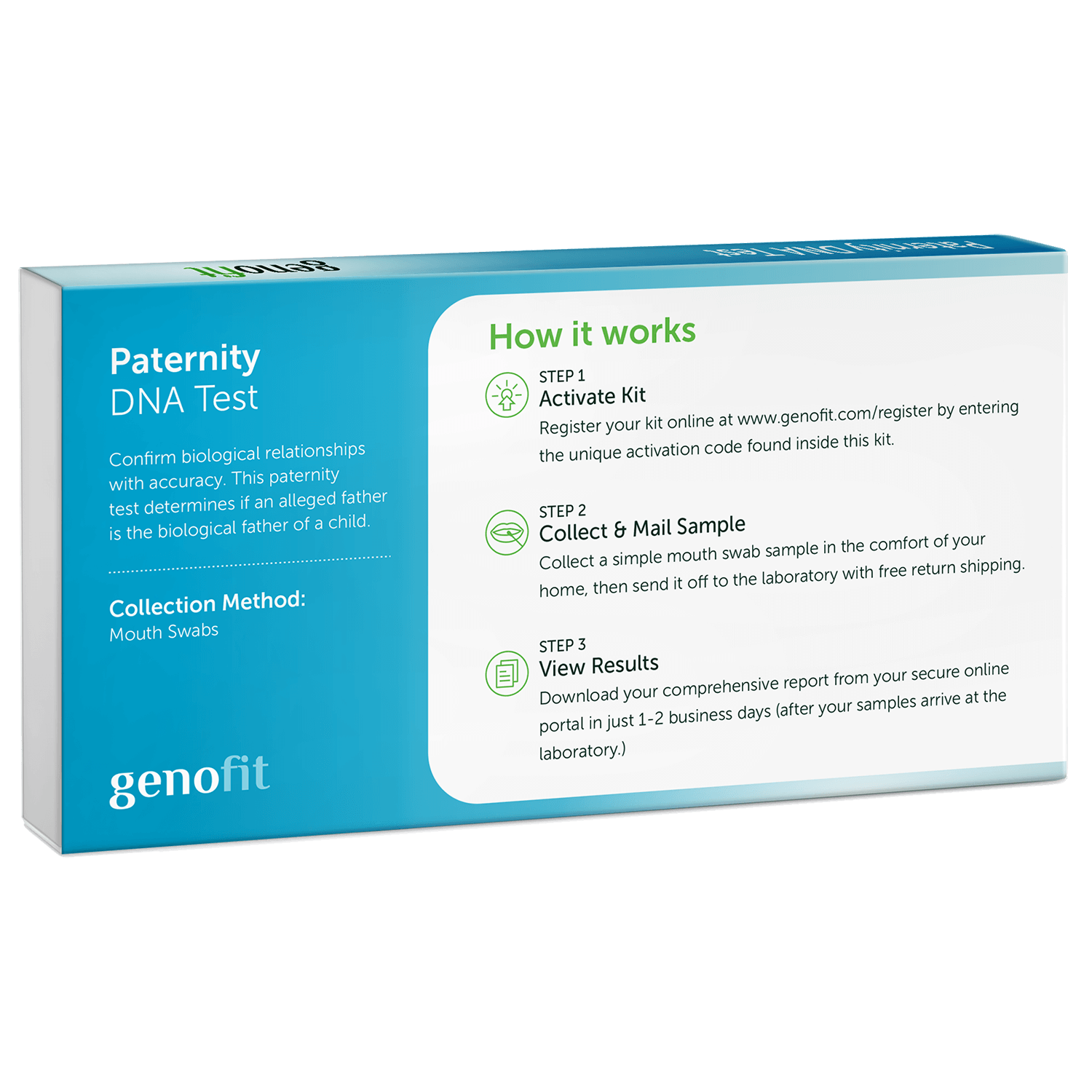
Self Paternity Tests: What to Know Before You Test
A self paternity test is a DNA test arranged by an individual rather than through a court or other legal process. It can help answer whether a tested man is likely to be a child’s biological father. These tests are often called at-home, private, or informational paternity tests.
Before ordering one, it is important to understand how the test works, what its results can tell you, and why a privately collected test may not be accepted as legal evidence.
How a Self Paternity Test Works
Most paternity tests compare DNA from the child and the possible father. A testing company typically provides cheek-swab kits. The participants rub a swab inside their cheeks to collect cells, then return the samples to a laboratory for analysis.
The lab examines genetic markers shared between the child and the tested man. The mother’s sample is often optional, but including it may help the laboratory interpret the results. Follow the testing provider’s instructions carefully; incorrect labeling, handling, or packaging can delay testing or affect whether a sample can be analyzed.
Understanding the Results
A result may exclude the tested man as the biological father or show a very high probability of paternity. Laboratories commonly report a probability close to 99.9% or higher when the tested man is not excluded, though reporting practices vary. The exact wording and meaning should be explained in the laboratory’s report.
A paternity test addresses a biological relationship. It does not determine legal parentage, custody, child support, visitation, or parental rights. Those matters depend on the law and the circumstances of the case.
Private Testing and Legal Testing Are Different
A self-collected test is generally intended for personal information. Because participants collect and submit their own samples, the laboratory may not be able to verify who provided each sample or whether the samples were handled properly. For that reason, a private test may not meet the requirements for use in court or another official proceeding.
When a result may be needed for a legal matter, ask an attorney, court, or relevant government agency about the required process before ordering a test. A legal test usually involves identity checks, witnessed sample collection, and documented handling of samples—often called a chain of custody. Requirements vary, so confirm them in advance.
Consent, Privacy, and Testing Children
DNA is sensitive personal information. Before testing, review the provider’s policies on data storage, sharing, deletion, and use of genetic information. Consider who will receive the results and how they may affect the people involved.
Do not collect or submit another person’s DNA without proper consent. Rules about testing a child can depend on the child’s age, who has legal authority to consent, and local law. If there is disagreement about testing a child, seek legal guidance before proceeding.
Choosing a Testing Provider
Before purchasing a test, check that the laboratory clearly explains:
- How samples must be collected and returned
- Whether the test is for personal information or legal use
- How results are reported and how long testing usually takes
- What the test costs, including any fees for extra participants or services
- How genetic data and samples are stored, shared, and disposed of
- How to contact the laboratory with questions about the report
Be cautious of vague claims, unclear fees, or promises that a private test will automatically settle a legal dispute. If the situation involves court proceedings, immigration, benefits, or official records, confirm the applicable testing requirements with the relevant authority.
When to Seek Support
Questions about paternity can carry emotional, family, and legal consequences. Consider speaking with a qualified attorney or counselor if the result could affect a child’s relationships, legal status, or support arrangements. A laboratory can explain its testing process, but it cannot replace legal advice or family support.
A self paternity test may offer private information, but it is important to choose a reputable provider, obtain appropriate consent, protect everyone’s privacy, and understand the limits of the result before testing.
At-Home Paternity Test FAQs: Accuracy, CVS and Walgreens Kits, and Testing Without the Father
- Are home paternity tests accurate?
- Is a Walgreens DNA test accurate?
- Can a CVS test determine paternity?
- Are Walgreens paternity tests accurate?
- Can I get a DNA test at CVS?
- How can I get a paternity test without my father?
Are home paternity tests accurate?
Home paternity tests can be highly accurate when samples are collected correctly and analyzed by a reputable laboratory. Results commonly show whether the tested man is excluded as the biological father or indicate a very high probability of paternity. Accuracy depends on factors such as proper sample collection, reliable lab procedures, and testing the correct participants. A home test is usually for personal information only; because sample identities and handling may not be verified, its results may not be accepted in court. For legal use, ask about a test with identity verification and documented chain of custody.
Is a Walgreens DNA test accurate?
A DNA test purchased at Walgreens is not automatically accurate simply because it is sold there; Walgreens is the retailer, and the testing laboratory and type of test matter. For a paternity test, check that the kit is processed by a reputable laboratory, follow the collection instructions carefully, and review how the lab reports its results. A self-collected test may provide reliable information for personal use, but it may not be accepted in court because sample identities and handling may not be independently verified. If you need results for a legal matter, confirm the requirements first and arrange a test with documented identity checks and chain of custody.
Can a CVS test determine paternity?
A CVS (chorionic villus sampling) test is a prenatal medical procedure that collects a small sample of placental tissue to screen for certain genetic conditions; it is not a paternity test. Although fetal DNA from a CVS sample may sometimes be used in specialized prenatal paternity testing, this requires appropriate comparison samples and should be arranged with qualified medical and genetic-testing professionals. CVS carries pregnancy-related risks, so it should not be performed solely to establish paternity without discussing safer options with a healthcare provider.
Are Walgreens paternity tests accurate?
A paternity test purchased at Walgreens can be accurate if the kit is processed by a reputable, properly accredited laboratory and samples are collected and handled according to the instructions. The store sells the kit; the laboratory performs the DNA analysis, so check the provider’s credentials, testing method, and privacy policy before ordering. At-home results are generally for personal information and may not be accepted in court because sample identities and handling may not be independently verified. For a legal matter, ask the court or an attorney about an approved test with documented identity checks and chain of custody.
Can I get a DNA test at CVS?
Some CVS locations may carry at-home paternity DNA test kits, but availability varies by store and online. Check CVS’s website or call your local pharmacy before making a trip, and confirm that the kit is specifically for paternity testing. Store-bought kits are generally intended for personal information; if you need results for court or another legal purpose, ask about a legally administered test with verified identities and documented sample handling.
How can I get a paternity test without my father?
You may be able to explore paternity without your father’s participation, but the options depend on your situation and the test provider. A direct paternity test typically compares the child’s DNA with the alleged father’s; if he is unavailable, some laboratories offer relationship tests using consenting close biological relatives, such as his parents or other children, though these may be less conclusive. A mother’s sample may also help interpret results, but it cannot replace the alleged father’s DNA. Check the laboratory’s requirements and obtain appropriate consent, especially when testing a minor. If you need results for court or another legal purpose, ask the relevant authority about approved testing procedures before ordering a test.