
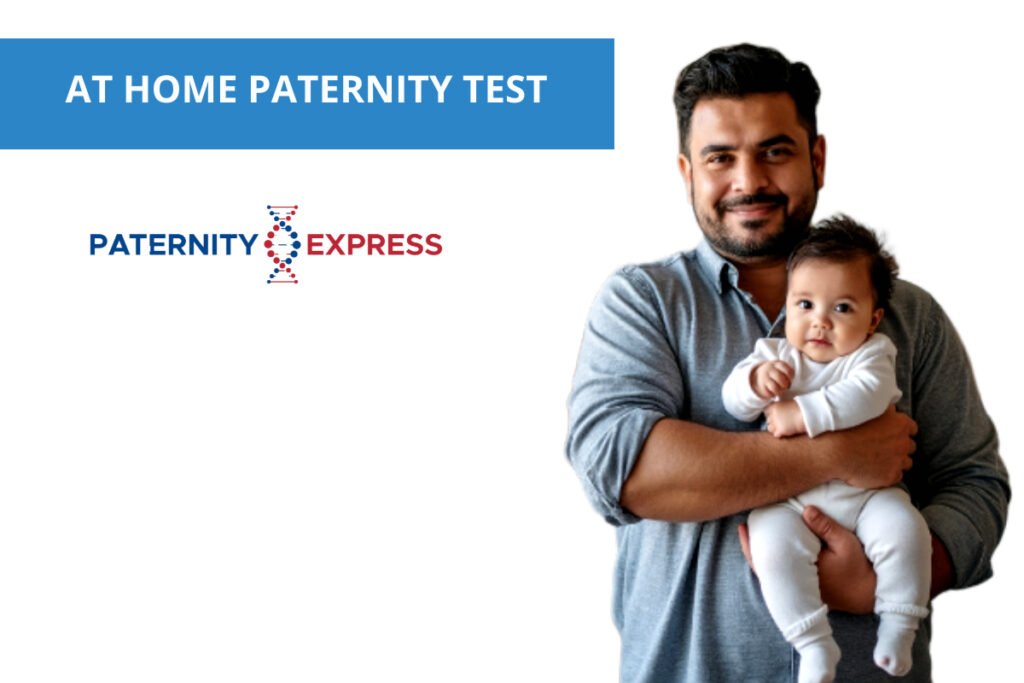
The Importance of Fatherhood Testing
Establishing paternity through fatherhood testing is a crucial step in ensuring the well-being of a child and providing legal rights and responsibilities to both parents. This process involves determining the biological relationship between a father and a child, often through DNA analysis.
There are several reasons why fatherhood testing is important:
- Legal Rights: Knowing the biological father of a child is essential for legal matters such as custody, visitation rights, and child support. Fatherhood testing can help establish these rights in cases where paternity is in question.
- Emotional Bonds: For both the father and the child, knowing the biological connection can strengthen their emotional bond. It can provide a sense of identity and belonging that is important for healthy family relationships.
- Medical History: Understanding genetic information passed down from the father is crucial for assessing potential health risks for the child. This knowledge can help in early detection and prevention of certain medical conditions.
- Social Benefits: Establishing paternity can have social benefits as well, such as eligibility for benefits like Social Security, inheritance rights, and access to family medical leave.
In conclusion, fatherhood testing plays a significant role in ensuring the well-being of children, establishing legal rights for parents, strengthening emotional bonds within families, and providing valuable medical information. It is an important step towards creating a supportive environment for children to thrive and grow with the love and care of both parents.
Understanding Fatherhood Testing: Answers to 6 Common Questions
- What is a fatherhood test?
- How does fatherhood testing work?
- Why is fatherhood testing important?
- Is fatherhood testing accurate?
- What are the legal implications of fatherhood testing?
- Can fatherhood testing be done discreetly?
What is a fatherhood test?
A fatherhood test, also known as a paternity test, is a scientific procedure used to determine the biological relationship between a man and a child. This test involves analyzing DNA samples from both the potential father and the child to assess the genetic markers they share. By comparing these markers, experts can determine with a high degree of accuracy whether the man in question is the biological father of the child. Fatherhood tests are commonly used in legal proceedings related to custody, visitation rights, and child support, as well as for personal reasons such as establishing familial relationships and medical history.
How does fatherhood testing work?
Fatherhood testing, also known as paternity testing, works by analyzing the DNA of a child and a potential father to determine the biological relationship between them. This process typically involves collecting samples, such as saliva or buccal swabs, from both individuals. The DNA profiles are then compared to identify genetic markers that are shared between the child and the alleged father. Through advanced technology and analysis, fatherhood testing can provide accurate and conclusive results regarding paternity with a high degree of certainty. It is a reliable method used to establish legal parentage, resolve paternity disputes, and strengthen familial bonds through the confirmation of biological connections.
Why is fatherhood testing important?
Fatherhood testing is important for several reasons. Firstly, it provides clarity and certainty regarding the biological relationship between a father and a child, which is essential for legal matters such as custody, visitation rights, and child support. Knowing the biological father also strengthens emotional bonds within the family, contributing to a child’s sense of identity and belonging. Additionally, fatherhood testing can provide valuable medical information by uncovering genetic risks that may impact the child’s health. Overall, fatherhood testing plays a crucial role in establishing legal rights, enhancing family relationships, and promoting the well-being of children.
Is fatherhood testing accurate?
Fatherhood testing, also known as paternity testing, is highly accurate when conducted by reputable laboratories using reliable methods. The accuracy of fatherhood testing is typically over 99%, making it a dependable way to establish biological relationships between fathers and children. DNA analysis, the most common method used in fatherhood testing, compares genetic markers between the alleged father and the child to determine paternity with a high degree of certainty. It is important to choose a trustworthy and accredited laboratory for fatherhood testing to ensure accurate results that can provide clarity and legal validation in matters concerning parental rights and responsibilities.
What are the legal implications of fatherhood testing?
When it comes to fatherhood testing, understanding the legal implications is crucial. The results of a fatherhood test can have significant effects on various legal matters, such as child custody, visitation rights, and child support. In cases where paternity is in question, the outcome of the test can determine the legal rights and responsibilities of both the father and the child. It can also impact inheritance rights, eligibility for benefits like Social Security, and access to family medical leave. Therefore, it is important to be aware of the legal implications of fatherhood testing and seek appropriate legal guidance to navigate any potential outcomes effectively.
Can fatherhood testing be done discreetly?
Fatherhood testing can indeed be done discreetly to protect the privacy of those involved. There are various options available for discreet testing, such as at-home DNA test kits that can be ordered online and conducted in the comfort of one’s own home. These kits typically involve collecting a sample, such as a cheek swab, and sending it to a laboratory for analysis. Confidentiality is maintained throughout the process, ensuring that sensitive information remains private. Additionally, many testing facilities offer anonymous testing services to further safeguard the identity of individuals undergoing fatherhood testing.