
Parental DNA Testing While Pregnant: What to Know
People may consider DNA testing during pregnancy to learn whether a possible parent is biologically related to the fetus. In many cases, paternity can be assessed before birth without collecting a sample directly from the fetus. However, the available methods, timing, cost, and suitability depend on the laboratory and the pregnancy.
Noninvasive prenatal paternity testing
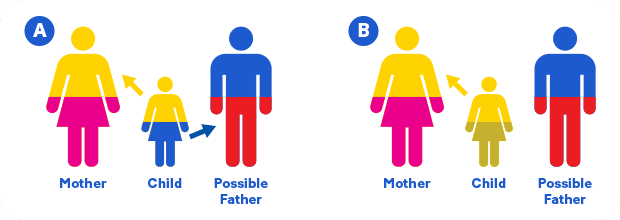
A noninvasive prenatal paternity test typically analyzes cell-free DNA in a pregnant person’s blood. During pregnancy, small fragments of placental DNA circulate in the pregnant person’s bloodstream. A laboratory compares the fetal DNA fragments with a DNA sample from the possible father, often collected with a cheek swab.
This approach does not require a needle to enter the uterus. The earliest point at which testing can be performed varies by provider, so ask the laboratory about its timing requirements, sample collection process, accuracy information, and limitations. The laboratory may also need details about the pregnancy or possible genetic factors that could affect interpretation.
Tests that involve sampling the pregnancy
Chorionic villus sampling (CVS) and amniocentesis can provide fetal or placental material for genetic testing. These are medical procedures performed for specific clinical reasons, such as diagnosing certain genetic conditions. They are not generally recommended solely to determine paternity because they are invasive and carry risks, including pregnancy loss and other complications. Discuss any proposed procedure with an obstetrician or qualified clinician.
Do not arrange an invasive procedure through a paternity-testing company. A healthcare professional should explain why a procedure may be appropriate and review its risks and benefits for the individual pregnancy.
How prenatal paternity testing differs from prenatal screening
Noninvasive prenatal screening (often called NIPT or cfDNA screening) is designed to estimate the chance of certain chromosomal conditions. It is not a paternity test, and a screening result does not establish paternity. Ask the healthcare provider or laboratory exactly what a test is intended to determine.
Accuracy and limitations
Testing accuracy depends on the laboratory’s methods, the samples provided, and the circumstances of the pregnancy. Some situations—such as a pregnancy involving twins, a recent blood transfusion, a bone marrow transplant, or certain fertility treatments—may affect whether a test can be performed or how results are interpreted. Tell the provider or laboratory about relevant medical and pregnancy history before testing.
Before choosing a test, ask:
- When can the test be performed, and what samples are required?
- What accuracy information does the laboratory provide for this test?
- Is the laboratory accredited, and how are samples identified and handled?
- Will the result be confidential, and who can access it?
- Is the test intended for personal information or for legal use?
Personal results and legal use
A test purchased for personal knowledge may not meet the documentation requirements for court or other legal proceedings. Legal testing commonly requires verified identities, witnessed sample collection, and a documented chain of custody. If the result may be needed for a legal matter, check the requirements with an attorney or the relevant agency before ordering a test.
Making an informed decision
Questions about paternity can be emotionally difficult, and the result may affect family relationships and future decisions. Consider discussing the testing options with an obstetrician, genetic counselor, or qualified family-law professional. A healthcare professional can help explain medical considerations, while a reputable testing provider can describe its process and limitations.
This article is for general information and is not a substitute for medical or legal advice. For guidance specific to a pregnancy, consult a qualified healthcare professional.
Prenatal Paternity Testing: 6 FAQs About Timing, Safety, Accuracy, and Legal Use
- Can a paternity test be done while someone is pregnant?
- How does noninvasive prenatal paternity testing work?
- How early in pregnancy can a prenatal paternity test be performed?
- Is prenatal paternity testing safe for the pregnant person and fetus?
- How accurate are prenatal paternity test results?
- Can prenatal paternity test results be used for legal purposes?
Can a paternity test be done while someone is pregnant?
Yes. A prenatal paternity test can often be done using a blood sample from the pregnant person and a cheek-swab sample from the possible father; this noninvasive method analyzes fetal DNA circulating in the blood and does not require a procedure involving the uterus. The earliest testing date and requirements vary by provider, so confirm the details with a qualified laboratory. Invasive procedures such as amniocentesis or CVS are generally not recommended solely to determine paternity because they carry medical risks.
How does noninvasive prenatal paternity testing work?
Noninvasive prenatal paternity testing analyzes small fragments of placental DNA that naturally circulate in the pregnant person’s blood. A blood sample is compared with a DNA sample—usually a cheek swab—from the possible father to assess whether the genetic profiles are consistent with paternity. Because the test does not require collecting a sample directly from the fetus, it avoids invasive procedures such as amniocentesis. Timing, availability, and limitations vary by provider, so ask the laboratory how the test works and whether it is appropriate for the pregnancy.
How early in pregnancy can a prenatal paternity test be performed?
A noninvasive prenatal paternity test, which compares fetal DNA in the pregnant person’s blood with a cheek-swab sample from the potential father, may be available as early as about 7–8 weeks of pregnancy. The earliest timing varies by laboratory and test method, so confirm the provider’s requirements before arranging a test. Invasive procedures such as CVS may be possible later in the first trimester, but they carry medical risks and generally should not be performed solely to establish paternity.
Is prenatal paternity testing safe for the pregnant person and fetus?
The safety depends on the testing method. Noninvasive prenatal paternity testing uses a blood sample from the pregnant person and usually a cheek swab from the possible father, so it does not require entering the uterus and poses no procedure-related risk to the fetus. In contrast, CVS and amniocentesis involve invasive procedures and carry risks, including pregnancy loss; they are generally not recommended solely to establish paternity. Discuss any testing decision with an obstetrician or other qualified healthcare professional.
How accurate are prenatal paternity test results?
Prenatal paternity test accuracy depends on the testing method, pregnancy stage, sample quality, and laboratory procedures. Noninvasive tests compare fetal DNA fragments in the pregnant person’s blood with a sample from the possible father; reputable laboratories may report high accuracy, but performance can vary, so review the lab’s specific accuracy data and limitations rather than relying on a general percentage. Factors such as testing too early, a twin pregnancy, or certain medical circumstances may affect whether a result can be interpreted. For guidance about a specific pregnancy, consult a healthcare professional and the testing laboratory.
Can prenatal paternity test results be used for legal purposes?
Prenatal paternity test results may be usable in legal matters, but it depends on the test and the requirements of the court or agency involved. Tests purchased for personal information may not meet legal standards, which often require verified identities, witnessed sample collection, and a documented chain of custody. Before testing, ask the laboratory whether it offers legally admissible testing and confirm the requirements with an attorney or the relevant agency.