
Sibling Paternity Test at Home: What You Need to Know
When it comes to determining paternity, traditional DNA tests have long been the go-to option. However, in cases where the alleged father is unavailable for testing, or when there is a need to establish sibling relationships, a sibling paternity test can provide valuable insights.
Advancements in technology now allow for sibling DNA testing to be conducted in the comfort of your own home. These tests can help determine the likelihood of siblings sharing a biological parent, even if that parent is not available for testing.
How Does It Work?
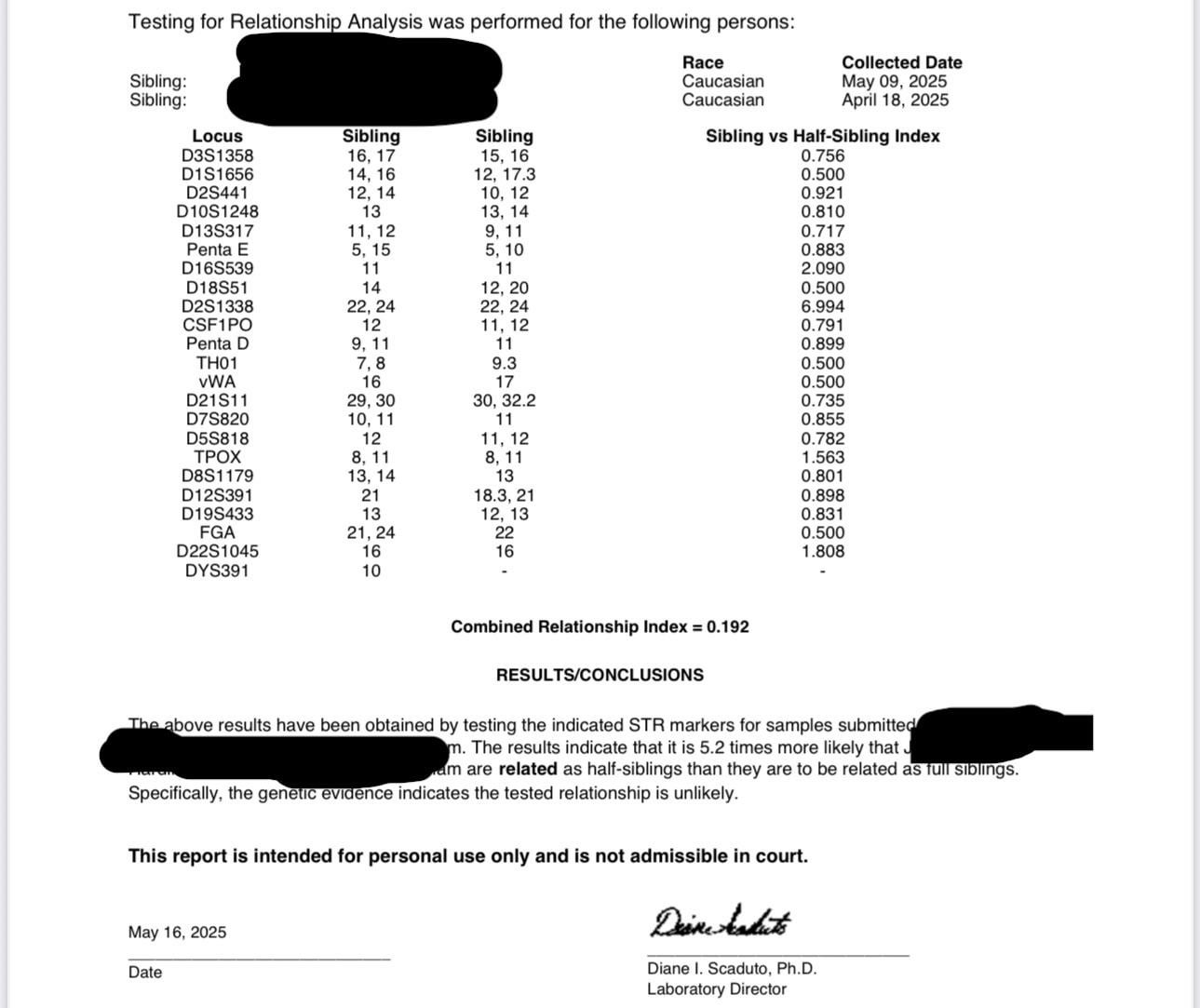
A sibling paternity test typically involves collecting DNA samples from both siblings and comparing their genetic markers. The test looks for similarities and differences in their DNA profiles to determine the likelihood of them sharing a common biological parent.
Most at-home sibling paternity test kits provide detailed instructions on how to collect DNA samples using cheek swabs or saliva samples. Once the samples are collected, they are sent to a laboratory for analysis.
Accuracy and Reliability
While sibling paternity tests can provide valuable information, it’s important to note that they are not as conclusive as traditional paternity tests involving the alleged father. The results of a sibling paternity test are based on statistical probabilities and may not definitively confirm or exclude a biological relationship.
Factors such as shared genetic markers among siblings and other family members can influence the results of a sibling paternity test. It’s essential to interpret the results with caution and seek professional advice if needed.
Considerations
Before opting for a sibling paternity test at home, consider consulting with a genetic counselor or healthcare provider to understand the implications of the results. Additionally, ensure that you choose a reputable testing company that adheres to strict quality standards and confidentiality protocols.
Ultimately, while a sibling paternity test at home can offer insights into biological relationships between siblings, it’s essential to approach the process with care and awareness of its limitations.
9 Essential Tips for Conducting a Sibling Paternity Test at Home
- Ensure the test kit is from a reputable and accredited laboratory.
- Follow the instructions carefully to avoid contamination or errors in sample collection.
- Make sure all participating siblings understand the purpose and implications of the test.
- Keep samples separate and properly labeled to prevent mix-ups.
- Double-check that all necessary paperwork is filled out accurately and completely.
- Respect each sibling’s decision whether to participate in the test or not.
- Seek counseling or support if emotions become overwhelming during the testing process.
- Wait for results patiently, as rushing may lead to inaccurate conclusions.
- Discuss results openly and sensitively with siblings, regardless of the outcome.
Ensure the test kit is from a reputable and accredited laboratory.
When considering a sibling paternity test at home, it is crucial to ensure that the test kit is sourced from a reputable and accredited laboratory. By choosing a testing company with accreditation and a solid reputation, you can have confidence in the accuracy and reliability of the results. Accredited laboratories adhere to strict quality standards and follow established protocols, ensuring that the testing process is conducted with precision and integrity. This step is essential in guaranteeing that the information obtained from the test is trustworthy and can provide valuable insights into sibling relationships.
Follow the instructions carefully to avoid contamination or errors in sample collection.
It is crucial to follow the instructions carefully when conducting a sibling paternity test at home to prevent contamination or errors in sample collection. Proper handling of DNA samples is essential to ensure accurate and reliable results. By adhering to the provided guidelines for sample collection, you can minimize the risk of compromising the integrity of the samples and increase the likelihood of obtaining valid outcomes. Paying attention to detail during the process can help maintain the quality and accuracy of the test, ultimately leading to a more dependable assessment of sibling relationships.
Make sure all participating siblings understand the purpose and implications of the test.
It is crucial to ensure that all participating siblings fully comprehend the purpose and implications of undergoing a sibling paternity test at home. Clear communication about why the test is being conducted and what the potential outcomes may reveal can help manage expectations and prevent misunderstandings. Understanding the significance of the test results can prepare siblings for any possible revelations about their biological relationship and facilitate informed decision-making moving forward. Open dialogue and support throughout the testing process can help create a safe and understanding environment for all involved parties.
Keep samples separate and properly labeled to prevent mix-ups.
To ensure the accuracy and reliability of a sibling paternity test at home, it is crucial to keep samples separate and properly labeled to prevent mix-ups. Each individual’s DNA sample should be clearly identified with their name and any other relevant information. By maintaining strict organization and labeling practices, you can minimize the risk of errors and ensure that the results reflect the true genetic relationship between siblings. Properly handling and labeling samples is a simple yet essential step in conducting a successful sibling paternity test at home.
Double-check that all necessary paperwork is filled out accurately and completely.
It is crucial to double-check that all necessary paperwork is filled out accurately and completely when considering a sibling paternity test at home. Providing correct information ensures that the testing process runs smoothly and that the results are as reliable as possible. Accuracy in paperwork can help prevent delays or errors in the analysis of DNA samples, ultimately leading to a more efficient and effective testing experience. Take the time to review and verify all details before submitting the required documentation to ensure a successful and accurate sibling paternity test outcome.
Respect each sibling’s decision whether to participate in the test or not.
It is crucial to respect each sibling’s decision regarding whether to participate in the sibling paternity test at home. Testing for biological relationships can be a sensitive and personal matter, and individuals may have varying reasons for choosing to participate or not. By honoring each sibling’s autonomy and choice in this decision, we create a supportive environment that values individual agency and promotes understanding among family members.
Seek counseling or support if emotions become overwhelming during the testing process.
During the sibling paternity testing process at home, it is important to prioritize emotional well-being. If feelings of overwhelm or confusion arise while undergoing the testing, seeking counseling or support can be beneficial. Talking to a professional or reaching out to a support network can provide guidance and reassurance during this potentially challenging time. Emotions are a natural part of the testing process, and seeking help when needed can help navigate through any uncertainties or concerns that may arise.
Wait for results patiently, as rushing may lead to inaccurate conclusions.
It is crucial to exercise patience while waiting for the results of a sibling paternity test conducted at home. Rushing the process may lead to inaccurate conclusions and misinterpretations of the data. By allowing sufficient time for the analysis to be completed accurately, individuals can ensure that the results provide a reliable indication of the genetic relationship between siblings. Patience is key in obtaining meaningful and trustworthy information from a sibling paternity test, ultimately leading to informed decisions and actions based on solid evidence.
Discuss results openly and sensitively with siblings, regardless of the outcome.
It is crucial to approach the discussion of sibling paternity test results with openness and sensitivity, regardless of the outcome. Whether the test confirms a biological relationship or raises questions about paternity, fostering an environment of understanding and support is essential for all parties involved. Encouraging honest communication and empathy can help siblings navigate the emotions that may arise from the results, ensuring that they feel heard and respected throughout the process.