
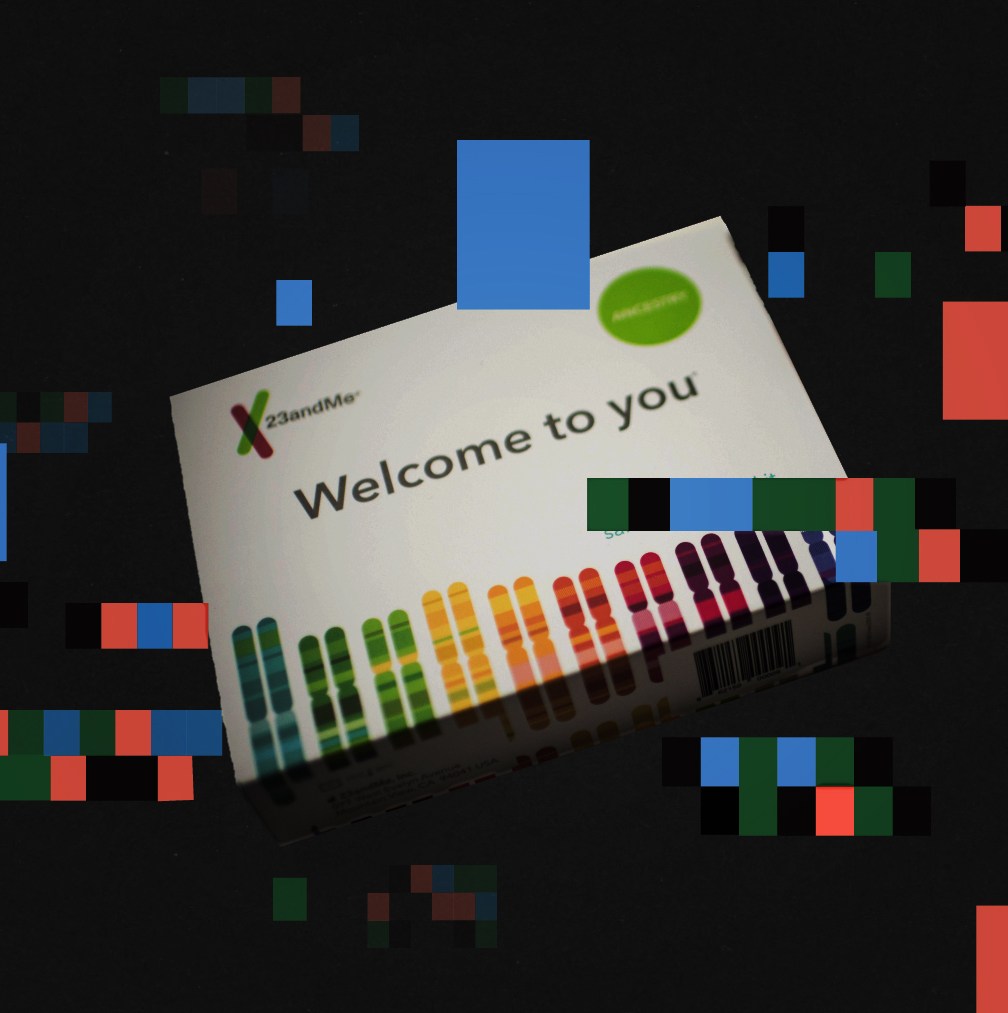
DNA Test for Me: How to Choose the Right Test
If you’re searching for a DNA test for yourself, the best option depends on what you want to learn. You may be looking for information about your family history, answers about biological relationships, or genetic details that could help inform a health-related conversation. These tests use DNA, but they serve different purposes and may have different privacy, accuracy, and legal considerations.
What Do You Want to Find Out?
Before ordering a test, identify the question you want it to answer. Common reasons for testing include:
- Ancestry and family history: Learn about genetic ancestry estimates and, depending on the service, possible genetic relatives.
- Biological relationships: Explore whether two or more people may be biologically related, such as in a paternity or sibling relationship test.
- Health-related information: Learn about selected genetic traits or variants. These results do not diagnose most conditions and should be discussed with a qualified health professional.
- Personal curiosity: Find out more about inherited traits or other information included in a test provider’s report.
Types of DNA Tests
At-Home Ancestry Tests
These tests typically involve collecting a saliva sample or swabbing the inside of your cheek and mailing the sample to a laboratory. Results may include ancestry estimates and potential relative matches. Estimates can vary between providers because companies use different reference groups and methods.
Relationship Tests
Relationship tests compare DNA from two or more people to assess whether a biological relationship is supported. The type of test depends on the relationship being examined. For example, a paternity test is designed to assess whether a man is the biological father of a child.
If results may be used in a court or government process, ask about a legally documented test before collecting samples. Legal testing generally requires verified identities and a documented chain of custody. An at-home test may not meet those requirements.
Genetic Health Tests
Some consumer tests report selected health-related genetic findings, while clinical genetic testing may be ordered or interpreted by a healthcare professional. A consumer result is not a substitute for a medical diagnosis, and a negative result does not rule out every genetic risk. Consider speaking with a doctor or genetic counselor before making healthcare decisions based on genetic information.
How a DNA Test Usually Works
- Choose a test: Confirm that the test is designed to answer your specific question.
- Read the instructions: Sample requirements and preparation vary. Follow the provider’s directions carefully.
- Submit your sample: Return the sample using the provider’s packaging and instructions.
- Review the results: Check what the report does and does not establish. Contact the provider if the findings are unclear.
What to Consider Before You Test
- Privacy: Review how your sample and data are stored, used, shared, and deleted. Check whether you can opt out of research or relative matching.
- Consent: Make sure each person tested understands the purpose of the test and agrees to participate. Special rules may apply when testing a child.
- Unexpected discoveries: Results may reveal unexpected relatives, differences in family assumptions, or information that could affect relationships.
- Test limitations: No test answers every question. Accuracy and usefulness depend on the test type, the people tested, and the quality of the sample.
- Legal requirements: If the results are needed for a legal matter, confirm the required testing process before ordering or collecting samples.
How to Choose a DNA Testing Provider
Compare providers based on the purpose of the test, the laboratory and testing process, the details included in the report, customer support, cost, and privacy policies. For relationship testing, ask which relationships the test can evaluate and whether the results are intended for personal knowledge or legal use. For health-related testing, look for clear explanations of limitations and access to appropriate professional guidance.
Is a DNA Test Right for You?
A DNA test can provide useful information, but it’s worth considering what you hope to learn and how you might respond to the result. If your question involves parentage, legal rights, or a medical decision, seek guidance from a qualified professional before relying on a consumer test. Choosing a test that matches your purpose can help you understand what the results mean—and what they cannot tell you.
7 Benefits of DNA Testing: Uncovering Ancestry, Health Insights, and Family Connections
- Can help answer questions about biological relationships.
- May reveal ancestry and family connections.
- Offers a simple at-home sample collection option.
- Can provide insights into inherited traits.
- May help identify genetic health risks to discuss with a doctor.
- Can support personal and family history research.
- Results may offer useful starting points for further guidance.
Considerations Before Taking a DNA Test: Emotional, Privacy, and Legal Implications
- Results may be unexpected or emotionally difficult.
- Your genetic data may raise privacy concerns.
- At-home results may not be accepted for legal purposes.
Can help answer questions about biological relationships.
A DNA test can help answer questions about biological relationships by comparing genetic markers shared between people. Depending on the type of test and who participates, results may provide information about relationships such as parent and child or siblings. Before testing, consider how the results could affect you and your family, and choose a test designed for your specific question.
May reveal ancestry and family connections.
A DNA test may offer clues about your ancestry and help you discover biological family connections. Depending on the test and its database, results can provide estimates of your geographic origins and identify potential genetic relatives who have also chosen to participate. These findings may add context to your family history, though ancestry estimates can vary and relative matches should be interpreted thoughtfully.
Offers a simple at-home sample collection option.
One advantage of a DNA test is that it may offer a simple at-home sample collection option. Depending on the test, you can collect a saliva sample or gently swab the inside of your cheek by following the kit’s instructions, then send the sample to the laboratory. This can make testing more convenient by avoiding an appointment or trip to a testing center.
Can provide insights into inherited traits.
A DNA test can offer insights into inherited traits, such as certain features or tendencies passed down through your family. Depending on the test, results may help you explore how your genetics can influence traits like hair texture, taste preferences, or other characteristics. These findings are estimates rather than guarantees, since traits are often shaped by a combination of genes and life experiences.
May help identify genetic health risks to discuss with a doctor.
A DNA test may reveal certain inherited genetic variants associated with health risks, giving you information to discuss with your doctor. These results can help guide a conversation about whether additional testing, preventive steps, or changes to your care may be appropriate. However, a genetic test cannot predict with certainty whether you will develop a condition, and results should be interpreted in the context of your health and family history.
Can support personal and family history research.
A DNA test can support personal and family history research by offering clues about ancestry and potential biological relatives. Depending on the test and available records, results may help you explore family connections, compare stories passed down through generations, and identify questions to investigate further. DNA findings are best used alongside family documents and conversations with relatives, since estimates and matches may not provide a complete picture on their own.
Results may offer useful starting points for further guidance.
DNA test results may offer useful starting points for further guidance. Depending on the type of test, they can help you decide what questions to ask next—whether that means learning more about your family history, discussing a health-related finding with a healthcare professional, or seeking qualified advice about a biological relationship. Results are best understood in context and should not replace professional medical or legal guidance when it’s needed.
Results may be unexpected or emotionally difficult.
DNA test results may reveal unexpected information, such as an unknown biological relative, a difference in family relationships, or ancestry details you weren’t anticipating. These discoveries can bring up difficult emotions and may affect conversations with loved ones. Before testing, consider how you might feel about a range of possible outcomes and whether you have someone you trust to talk with afterward.
Your genetic data may raise privacy concerns.
One potential downside of taking a DNA test is that your genetic data may raise privacy concerns. Depending on the testing company’s policies, your sample or results could be stored, used for research, or shared with service providers or other parties. Before testing, review how your information is handled, whether you can opt out of data sharing, and how to request deletion of your sample and account data. Keep in mind that genetic information can also reveal details about biological relatives who have not taken a test.
At-home results may not be accepted for legal purposes.
At-home DNA test results may not be accepted for legal purposes because the sample collection and identity verification often aren’t documented under required legal procedures. Courts or government agencies may require a chain of custody showing who provided each sample, how it was handled, and how it reached the laboratory. If you need DNA evidence for a paternity case, custody matter, immigration application, or another official process, check the requirements first and use a legally documented test arranged through an approved provider.