
DNA Tests to Find Biological Parents
A DNA test can help someone identify or learn more about a biological parent. People may seek answers because of adoption, donor conception, unknown parentage, a family separation, or gaps in family records. DNA testing can provide useful clues, but results may also raise unexpected questions. Understanding the types of tests, their limits, and privacy considerations can help you decide what to do next.
How DNA Testing Can Help
Most consumer ancestry tests compare parts of your DNA with the DNA of other people who have chosen to participate in the company’s matching database. If a biological parent has tested with the same service—or if close relatives have—you may receive a match that points toward a parent or a branch of your family.
A parent and child typically share about half of their autosomal DNA. However, the amount of DNA shared can vary, and a match may be identified as a parent, child, sibling, or another close relative. A DNA match is a clue, not necessarily a complete answer. Reviewing the amount of shared DNA, family details, and other matches can help clarify the relationship.
Types of DNA Tests
- Consumer ancestry tests: These tests are commonly used to find genetic relatives through a company’s matching database. They can be useful when the possible parent has not tested but one or more relatives have.
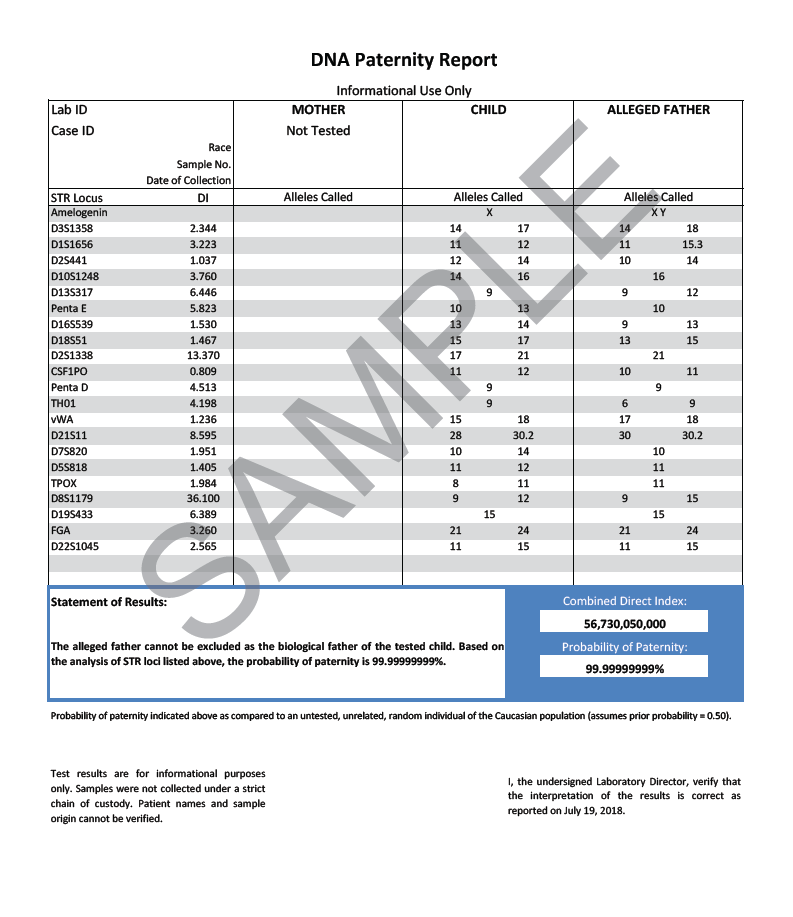
- Direct parentage tests: A paternity or maternity test compares a child’s DNA with a specific person’s DNA to assess whether they are biologically related. These tests are most informative when the potential parent is available to participate.
- Tests involving relatives: If a potential parent cannot be tested, testing close relatives—such as their parents, siblings, or other children—may help assess a possible relationship. A qualified testing provider or genetics professional can explain which relatives may be most informative.
Testing methods and services vary. Before ordering a test, check what the company analyzes, whether it offers relative matching, how it handles your sample and data, and whether its results are intended for personal use or legal proceedings.
Personal Testing and Legal Testing Are Different
A home DNA test may offer helpful information for personal or family research, but it may not meet the requirements for a legal parentage case. Court or administrative proceedings may require identity verification, documented sample collection, and a secure chain of custody. If you need results for child support, custody, inheritance, immigration, or another legal matter, ask the relevant agency or a qualified attorney what type of test is required before testing.
What If the Parent Has Not Tested?
You may still find useful leads through matches with the potential parent’s relatives. Shared matches, family trees, and public records can help narrow down possibilities. This process can take time, and family trees may contain errors or incomplete information. Avoid treating an online match or a family-tree connection as definitive without further evidence.
If the potential parent is deceased or cannot be contacted, a genetics professional, adoption-search specialist, or experienced genetic genealogist may be able to explain other options. The availability and appropriateness of those options depend on the circumstances and local laws.
Privacy, Consent, and Unexpected Results
DNA testing involves sensitive information about you and your biological relatives. Review the provider’s current privacy policy, including how it stores samples and genetic data, whether data may be shared with research partners, how account deletion works, and whether the service allows law enforcement access under certain circumstances. Policies can change, so read the latest terms before submitting a sample.
Consider the consent and privacy of other people involved. Do not submit someone else’s DNA without their informed permission. If the person being tested is a minor, consider their best interests, applicable consent rules, and the potential long-term effects of making the information available.
Results can reveal unexpected parentage, previously unknown siblings, donor conception, adoption, or other family information. Before testing, think about how you might respond to surprising news and whether you have someone you trust to talk with. A counselor familiar with adoption, donor conception, or genetic-family discoveries may offer support.
Preparing to Contact a Possible Biological Parent
A DNA match does not create an obligation for either person to begin a relationship. If you decide to make contact, consider starting with a brief, respectful message that shares how you found the connection and leaves room for the other person to respond in their own time. Be prepared for a range of reactions, including uncertainty, limited communication, or no response. Protect your own privacy and safety as you decide what information to share.
Choosing a Next Step
Before testing, clarify your goal: Are you looking for a specific parentage answer, searching for relatives, or building a family history? Compare available tests, understand their limitations, and consider seeking qualified legal or emotional support if the results could affect a court case or family relationship.
DNA testing can open a path toward answers, but it is only one part of the process. Careful planning, respect for privacy, and realistic expectations can help make that process more informed and supportive.
Top 8 FAQs About Using DNA Tests to Discover Biological Parents
- Can a DNA test help me find my biological parents?
- Which DNA test is best for finding a biological parent?
- Can I find a biological parent if they have never taken a DNA test?
- How accurate are DNA tests for identifying a biological parent?
- Can I use a home DNA test to prove parentage in court?
- What should I do if my DNA test reveals an unexpected parent or relative?
- How can I protect my privacy when using a DNA test to find my parents?
- How do I contact a biological parent after finding them through a DNA test?
Can a DNA test help me find my biological parents?
Yes. A DNA test may help you find your biological parents by matching your DNA with biological relatives in a testing company’s database. A close match may identify a parent directly, while matches with siblings, cousins, or other relatives can offer clues. Results depend on who has tested and opted into matching, so finding a parent is not guaranteed. Review the provider’s privacy policies, and remember that personal ancestry results may not meet legal requirements for proving parentage.
Which DNA test is best for finding a biological parent?
The best DNA test depends on whether you know who the possible parent is. If you have a specific person in mind, a direct parentage test that compares your DNA with theirs is usually the clearest option; choose an accredited provider, especially if results may be needed for legal purposes. If you don’t know the person’s identity or they haven’t tested, an autosomal ancestry test with a large relative-matching database may help you find close relatives who can point you toward a biological parent. Check the provider’s database, privacy policy, and testing limitations before choosing.
Can I find a biological parent if they have never taken a DNA test?
Yes, it may still be possible to find a biological parent even if they have never taken a DNA test. A test may identify close relatives—such as the parent’s siblings, parents, or other children—who have tested, and comparing shared DNA matches with family trees and other records can help narrow down the connection. This process can take time, and matches may not provide a definitive answer on their own. Respect relatives’ privacy when making contact, and consider help from a genetic genealogist or adoption-search professional if you need support.
How accurate are DNA tests for identifying a biological parent?
DNA tests can be highly accurate when comparing a child’s DNA directly with a possible biological parent’s DNA, but accuracy depends on the test, sample quality, and testing process. Consumer ancestry tests can identify likely close relatives, though their matches are estimates and may not confirm a specific relationship on their own. For legal or official purposes, use an accredited testing provider that follows identity-verification and chain-of-custody procedures, and check with the relevant agency or attorney about its requirements.
Can I use a home DNA test to prove parentage in court?
A home DNA test may help you learn whether someone could be a biological parent, but it may not be accepted as proof in court. Legal cases often require testing through an approved laboratory, with everyone’s identity verified and samples collected under a documented chain-of-custody process. Requirements vary by court and jurisdiction, so check with the court, relevant agency, or a qualified attorney before testing to make sure you choose a test that meets the legal requirements.
What should I do if my DNA test reveals an unexpected parent or relative?
If a DNA test reveals an unexpected parent or relative, take time to process the news before making decisions or contacting anyone. Review the match information and, if possible, confirm the relationship with a qualified testing provider or genetics professional, since a match may not mean exactly what it first appears to. Consider speaking with a trusted person or a counselor familiar with adoption, donor conception, or family discoveries. If you choose to reach out, use a respectful, low-pressure message and allow the other person time to respond; protect everyone’s privacy and remember that you can decide how much contact feels right for you.
How can I protect my privacy when using a DNA test to find my parents?
To protect your privacy when using a DNA test to find your parents, review the testing company’s privacy policy before sending a sample. Check how your DNA data and sample are stored, whether they may be shared with research partners or law enforcement, and how to delete your account and request sample destruction. Use a strong, unique password and consider limiting profile details or relative matching until you understand the settings. Only submit your own DNA, and remember that your results may also reveal information about biological relatives who have not tested.
How do I contact a biological parent after finding them through a DNA test?
After finding a possible biological parent through a DNA test, consider starting with a brief, respectful message through the testing service or another appropriate channel. Introduce yourself, explain how you found the connection, and share only what you feel comfortable disclosing. Give them time to respond, and be prepared for a range of reactions, including questions, uncertainty, or no response. A DNA match can reveal a biological connection, but it does not guarantee that the other person is ready for contact or a relationship. If you’re unsure how to approach the conversation, a counselor or adoption-search professional may be able to help.