
The Rise of Consumer DNA Testing: Understanding the Impact
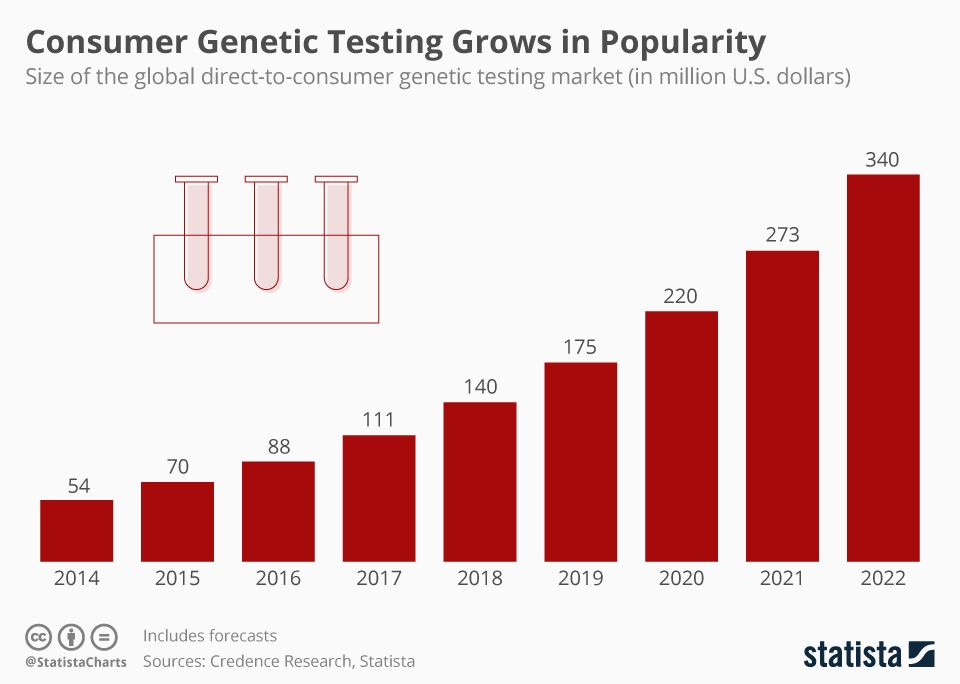
In recent years, consumer DNA testing has become increasingly popular, offering individuals the opportunity to uncover their genetic ancestry, health predispositions, and even connect with long-lost relatives. Services like AncestryDNA, 23andMe, and MyHeritage have made genetic testing accessible to the masses, revolutionizing how we perceive our own identities.
Benefits of Consumer DNA Testing
Consumer DNA testing provides valuable insights into our heritage and health. By analyzing our genetic code, these tests can reveal ancestral origins, ethnic backgrounds, and migration patterns of our ancestors. This information can help individuals better understand their cultural identity and connection to different regions around the world.
Moreover, consumer DNA testing can offer insights into potential health risks and predispositions. By identifying genetic markers associated with certain diseases or conditions, individuals can take proactive steps towards preventive healthcare and lifestyle changes.
Challenges and Considerations
Despite its benefits, consumer DNA testing also raises ethical concerns and privacy issues. The collection and storage of sensitive genetic data have sparked debates about data security and potential misuse of information. Consumers should carefully review the privacy policies of testing companies and understand how their data will be used before opting for genetic testing.
Furthermore, the discovery of unexpected family connections or genetic predispositions can have profound emotional implications for individuals and families. It is essential to approach these revelations with sensitivity and seek support from mental health professionals if needed.
The Future of Genetic Testing
As technology advances and our understanding of genetics deepens, consumer DNA testing is likely to play an even more significant role in personalized healthcare and genealogy research. With increased awareness about data privacy issues and improved regulation in the industry, consumers can make informed decisions about their genetic information.
Consumer DNA testing has the potential to empower individuals with knowledge about their heritage, health risks, and biological connections. By embracing this technology responsibly and ethically, we can navigate the complexities of genetic information while unlocking new insights into our own identities.
Exploring the Benefits of Consumer DNA Testing: Ancestry, Health Insights, and More
- Reveals ancestral origins and ethnic backgrounds.
- Provides insights into genetic health risks and predispositions.
- Connects individuals with long-lost relatives through shared DNA matches.
- Empowers proactive healthcare decisions based on genetic information.
- Offers a deeper understanding of personal identity and cultural heritage.
- Contributes to ongoing genetic research and advancements in personalized medicine.
6 Key Concerns to Consider Before Opting for Consumer DNA Testing
- Privacy concerns regarding the storage and potential misuse of genetic data.
- Possibility of receiving unexpected or unsettling information about ancestry or health predispositions.
- Limited regulation in the industry may lead to inaccurate or misleading test results.
- Cost barriers that may prevent some individuals from accessing genetic testing services.
- Emotional impact of discovering unknown family connections or biological relatives.
- Potential for genetic information to be used for discriminatory purposes by employers, insurers, or other entities.
Reveals ancestral origins and ethnic backgrounds.
Consumer DNA testing offers a fascinating pro by revealing ancestral origins and ethnic backgrounds. By analyzing genetic markers, individuals can gain valuable insights into their heritage, tracing back their roots to different regions and ethnic groups around the world. This information not only provides a deeper understanding of one’s cultural identity but also fosters a sense of connection to diverse populations and historical migrations. Discovering ancestral origins through DNA testing can be a powerful and enriching experience, allowing individuals to appreciate the rich tapestry of human diversity that makes up their genetic heritage.
Provides insights into genetic health risks and predispositions.
Consumer DNA testing offers a valuable advantage by providing individuals with crucial insights into their genetic health risks and predispositions. By analyzing genetic markers associated with various diseases and conditions, these tests empower individuals to take proactive steps towards preventive healthcare measures and lifestyle adjustments. Understanding one’s genetic predispositions can guide personalized health decisions, enabling individuals to make informed choices that may ultimately lead to better health outcomes and improved well-being.
Connects individuals with long-lost relatives through shared DNA matches.
Consumer DNA testing offers a remarkable benefit by connecting individuals with long-lost relatives through shared DNA matches. By comparing genetic data with databases of other test-takers, people can discover unknown family connections, reunite with relatives separated by time or distance, and build meaningful relationships based on a shared biological heritage. This aspect of consumer DNA testing has brought joy and closure to many individuals seeking to uncover their familial roots and expand their understanding of their family history.
Empowers proactive healthcare decisions based on genetic information.
Consumer DNA testing empowers individuals to make proactive healthcare decisions by providing valuable genetic information that can identify potential health risks and predispositions. Armed with this knowledge, individuals can take preemptive measures such as lifestyle changes, regular screenings, and early interventions to mitigate the impact of genetic conditions. By leveraging genetic insights, individuals can tailor their healthcare strategies to suit their unique genetic makeup, leading to a more personalized and proactive approach to maintaining their well-being.
Offers a deeper understanding of personal identity and cultural heritage.
Consumer DNA testing offers a profound benefit by providing individuals with a deeper understanding of their personal identity and cultural heritage. By exploring genetic ancestry through DNA analysis, individuals can uncover hidden connections to diverse ethnicities and regions, shedding light on their ancestral roots and migration patterns. This newfound knowledge not only enriches one’s sense of self but also fosters a greater appreciation for the cultural diversity that shapes our identities. Embracing this aspect of consumer DNA testing can lead to a more profound connection to one’s heritage and a deeper appreciation for the complexities of personal identity.
Contributes to ongoing genetic research and advancements in personalized medicine.
Consumer DNA testing plays a crucial role in advancing genetic research and personalized medicine by providing a wealth of genetic data for scientists and healthcare professionals to analyze. By studying the genetic information gathered from individuals who opt for consumer DNA testing, researchers can uncover new insights into genetic variations, disease predispositions, and potential treatments tailored to an individual’s unique genetic makeup. This collaborative effort between consumers and the scientific community not only accelerates advancements in personalized medicine but also paves the way for more targeted and effective healthcare interventions based on an individual’s genetic profile.
Privacy concerns regarding the storage and potential misuse of genetic data.
Privacy concerns surrounding consumer DNA testing center on the storage and potential misuse of genetic data. Individuals who undergo genetic testing may unknowingly expose sensitive information about their health and ancestry to third-party companies. There is a risk that this data could be vulnerable to breaches, unauthorized access, or even exploitation for purposes such as targeted advertising or insurance discrimination. The lack of clear regulations and oversight in the genetic testing industry raises valid concerns about how personal genetic information is handled and protected, highlighting the need for greater transparency and accountability to safeguard individuals’ privacy rights.
Possibility of receiving unexpected or unsettling information about ancestry or health predispositions.
Consumer DNA testing carries the con of potentially revealing unexpected or unsettling information about one’s ancestry or health predispositions. While many individuals seek out genetic testing for curiosity or health reasons, the results may uncover surprising details such as unknown relatives, genetic predispositions to certain diseases, or discrepancies in one’s family history. This unexpected information can have emotional repercussions and may challenge an individual’s sense of identity and well-being, highlighting the importance of careful consideration and psychological support when embarking on the journey of consumer DNA testing.
Limited regulation in the industry may lead to inaccurate or misleading test results.
Limited regulation in the consumer DNA testing industry poses a significant con as it increases the risk of inaccurate or misleading test results. Without stringent oversight and quality control measures, testing companies may not adhere to standardized procedures, leading to errors in genetic analysis and interpretation. This lack of regulation can undermine the reliability of test outcomes, potentially providing individuals with false information about their ancestry, health risks, or genetic predispositions. Consumers should exercise caution and skepticism when interpreting results from unregulated testing services to ensure they make informed decisions based on accurate data.
Cost barriers that may prevent some individuals from accessing genetic testing services.
Cost barriers associated with consumer DNA testing can pose a significant challenge for individuals seeking genetic testing services. The high prices of some testing kits and services may deter those with limited financial resources from accessing valuable information about their ancestry, health predispositions, and genetic connections. This disparity in access to genetic testing highlights the need for increased affordability and inclusivity in the industry to ensure that all individuals have the opportunity to benefit from the insights provided by consumer DNA testing.
Emotional impact of discovering unknown family connections or biological relatives.
The emotional impact of discovering unknown family connections or biological relatives through consumer DNA testing can be profound and complex. While some individuals may feel a sense of excitement and curiosity about newfound relationships, others may experience feelings of shock, confusion, or even betrayal. Uncovering unexpected family ties can challenge one’s sense of identity and belonging, raising questions about loyalty, trust, and the nature of familial relationships. Navigating these emotional responses requires sensitivity and support from loved ones or mental health professionals to process the implications of such discoveries on personal narratives and family dynamics.
Potential for genetic information to be used for discriminatory purposes by employers, insurers, or other entities.
One concerning con of consumer DNA testing is the potential for genetic information to be exploited for discriminatory purposes by employers, insurers, or other entities. The detailed insights provided by genetic testing could be misused to make decisions about hiring, promotions, insurance coverage, or other aspects of an individual’s life based on their genetic predispositions. This raises serious ethical and privacy concerns, highlighting the need for robust regulations and safeguards to protect individuals from discrimination based on their genetic makeup.