
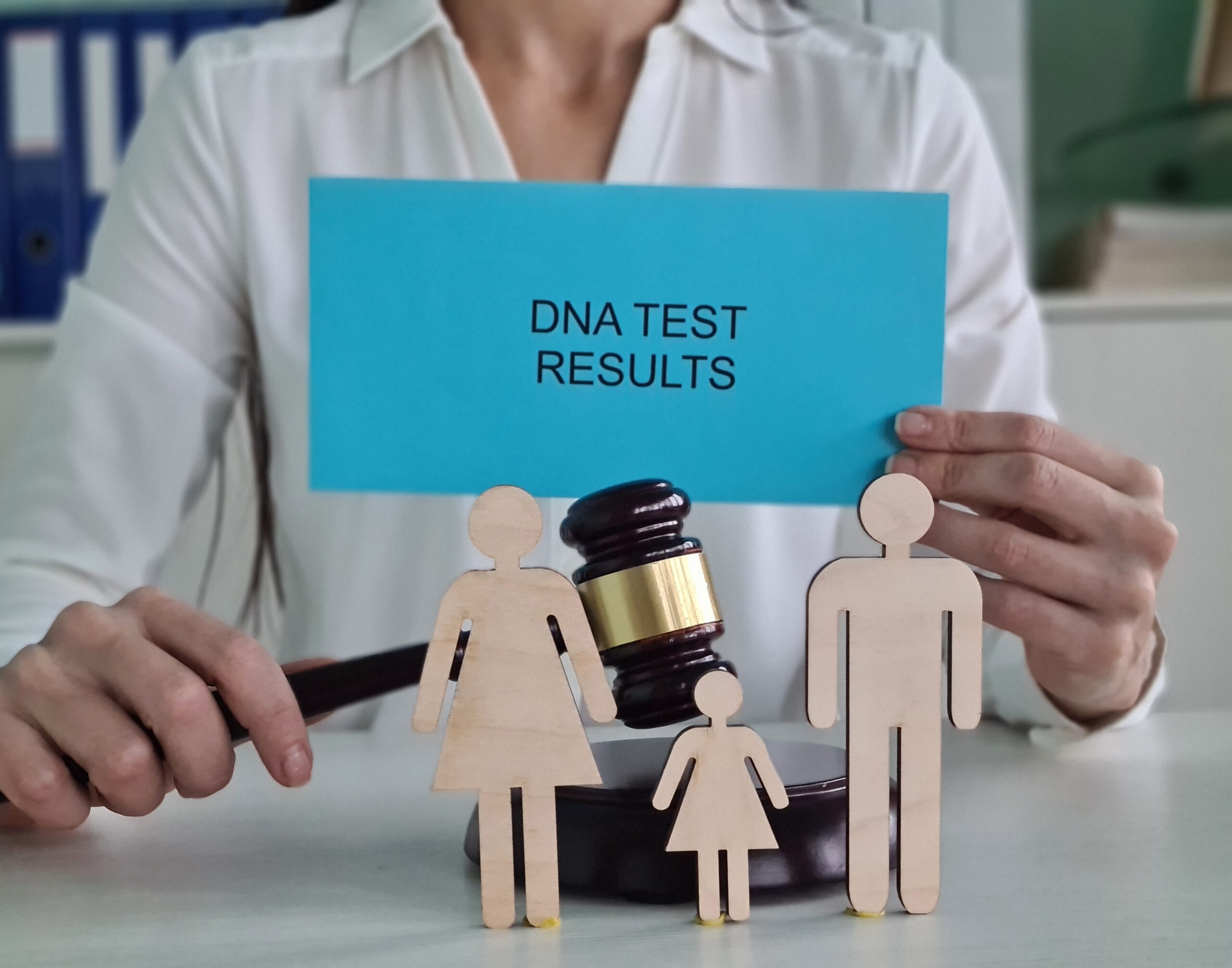
The Importance of Paternity Testing for Adults
While paternity testing is often associated with determining the biological father of a child, it can also be a valuable tool for adults seeking to establish or confirm their own parentage. Whether for personal reasons, legal matters, or medical concerns, paternity testing for adults can provide clarity and peace of mind.
Legal Matters
For adults who are unsure about their biological parentage or who are involved in legal disputes regarding inheritance, property rights, or other familial matters, paternity testing can offer concrete evidence to support their claims. Legal paternity tests are admissible in court and can have a significant impact on legal proceedings.
Medical Concerns
Knowing one’s genetic background is crucial for understanding potential health risks and hereditary conditions. By undergoing paternity testing, adults can gain insight into their genetic makeup and make informed decisions about their healthcare. This information can be invaluable in preventive care and early detection of genetic disorders.
Personal Fulfillment
For many adults, confirming their biological parentage through paternity testing can provide a sense of closure and identity. It can help individuals piece together their family history and understand more about themselves on a fundamental level. This personal fulfillment is often a powerful motivator for adults seeking paternity testing.
Conclusion
Paternity testing for adults serves as a valuable tool for establishing biological relationships, resolving legal disputes, managing medical concerns, and achieving personal fulfillment. With advances in DNA technology making testing more accessible and accurate than ever before, individuals now have the opportunity to uncover vital information about their ancestry and genetic heritage.
Top 7 FAQs About Adult Paternity Testing: Accuracy, Costs, and Legal Considerations
- Can you do a paternity test long distance?
- Can you get a DNA test to see if a child is yours?
- Which DNA test is best for Middle Eastern?
- Are home paternity tests accurate?
- Can a father secretly get a paternity test?
- How can someone legally find out who the father is?
- How much is a DNA test to see who the father is?
Can you do a paternity test long distance?
Yes, it is possible to do a paternity test long distance through various options provided by DNA testing companies. Many companies offer home DNA testing kits that can be easily shipped to different locations, allowing individuals to collect their DNA samples in the comfort of their own homes. These samples are then sent back to the company for analysis. Additionally, some companies also provide the option of conducting a remote paternity test where samples can be collected at different locations and sent directly to the testing facility. This convenient and efficient method enables individuals to determine paternity even when they are geographically separated from each other.
Can you get a DNA test to see if a child is yours?
Yes, adults can undergo DNA testing to determine if a child is biologically theirs. A paternity test, which compares the child’s DNA with that of the potential father, can provide conclusive evidence of biological parentage. This type of testing is commonly used in legal proceedings, custody disputes, and personal matters where establishing parentage is essential. Paternity tests are highly accurate and can offer peace of mind by confirming or disproving biological relationships between individuals. If there is uncertainty about paternity, seeking a DNA test can provide clarity and help individuals make informed decisions regarding parental responsibilities and relationships.
Which DNA test is best for Middle Eastern?
When considering which DNA test is best suited for individuals of Middle Eastern descent, it is important to choose a testing service that offers comprehensive genetic databases specifically tailored to populations from the Middle East. Look for DNA testing companies that have a diverse representation of Middle Eastern ethnic groups in their reference populations, as this can enhance the accuracy and reliability of the results. Additionally, consider selecting a test that provides detailed ancestry information and health insights relevant to individuals with Middle Eastern heritage. By opting for a DNA test that caters to the unique genetic diversity of the Middle Eastern population, individuals can gain a deeper understanding of their ancestry and potential health risks.
Are home paternity tests accurate?
Home paternity tests can provide accurate results when conducted properly and with reputable testing kits. These tests typically involve collecting DNA samples at home, usually through a cheek swab, and sending them to a laboratory for analysis. While the accuracy of home paternity tests is generally high, it is essential to choose a reliable and accredited testing provider to ensure trustworthy results. Factors such as following the instructions carefully, maintaining sample integrity during collection and shipment, and using a reputable testing company all contribute to the accuracy of the test results. It is advisable to consider consulting with a healthcare professional or genetic counselor for guidance on selecting the most reliable home paternity test option for your specific needs.
Can a father secretly get a paternity test?
In the realm of paternity testing for adults, a frequently asked question revolves around whether a father can secretly obtain a paternity test. While the legality and ethics of conducting such tests without the knowledge or consent of the other party can vary depending on jurisdiction, it is important to consider the potential consequences and implications of doing so. Secretly obtaining a paternity test can strain trust within relationships, lead to legal disputes, and have lasting emotional effects on all parties involved. Open communication and transparency are key in navigating paternity testing situations to ensure that all individuals’ rights and well-being are respected.
How can someone legally find out who the father is?
To legally determine paternity, an individual can opt for a paternity test, which involves collecting DNA samples from the potential father, child, and sometimes the mother. These samples are then analyzed to establish a biological relationship with a high degree of accuracy. In cases where legal proof of paternity is required for matters such as child support, custody arrangements, or inheritance rights, courts often rely on the results of a court-admissible paternity test to make informed decisions. Seeking legal counsel and following the appropriate procedures for conducting a paternity test can help individuals navigate the process of legally establishing who the father is.
How much is a DNA test to see who the father is?
Determining paternity through a DNA test to establish the biological father of a child typically ranges in cost depending on the type of test and the provider. Prices can vary from around $100 to $500 or more, with some factors influencing the cost being the complexity of the test, whether it is for personal use or legal purposes, and if additional services like expedited results or expert consultation are included. It’s essential to research different testing options and providers to find one that fits your needs and budget while ensuring accurate and reliable results for peace of mind and clarity regarding paternity.