
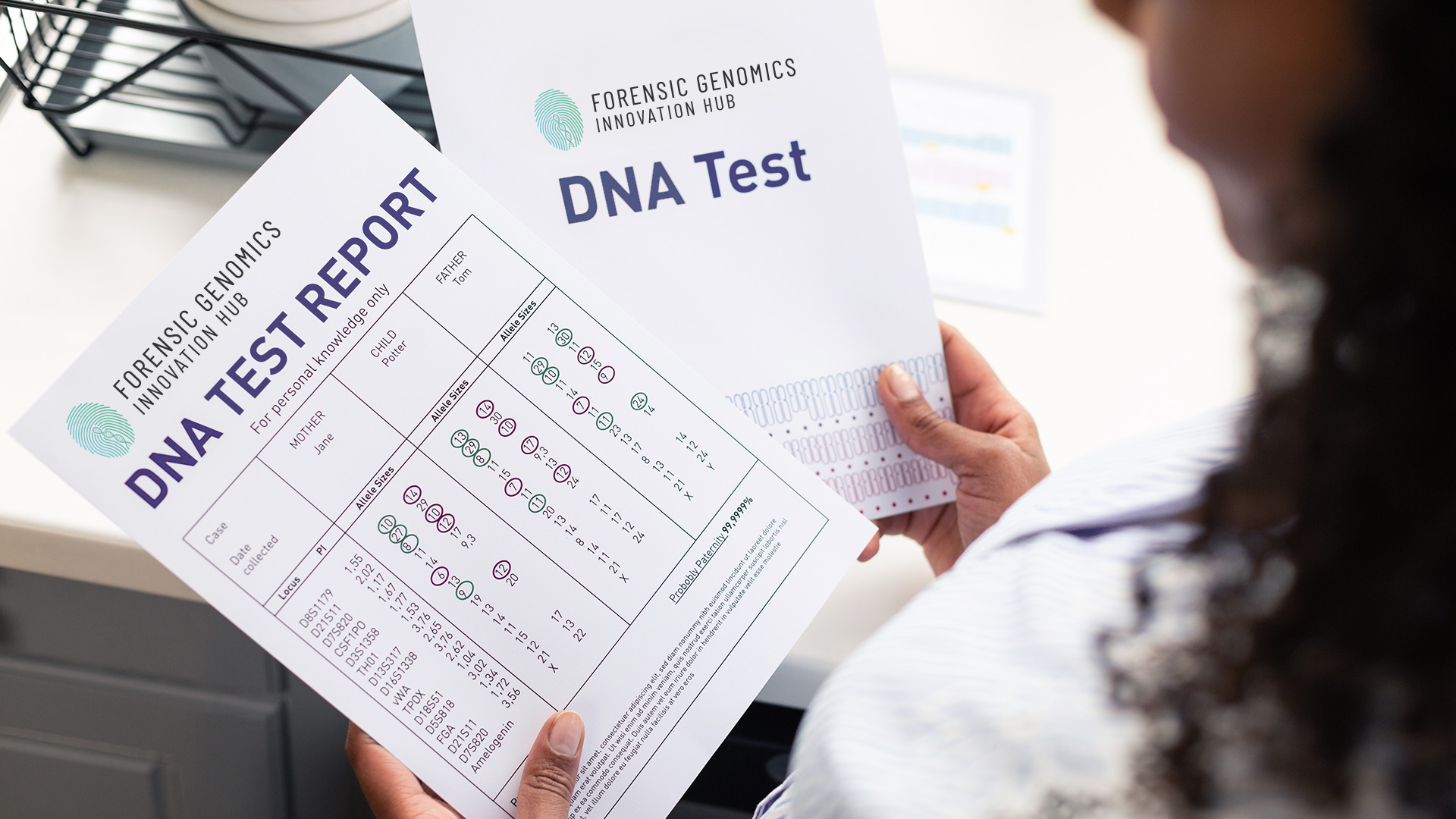
The Importance of Paternity and Maternity Testing
Establishing paternity and maternity through DNA testing has become an essential tool in today’s society for various reasons. Whether for legal, medical, or personal purposes, these tests provide valuable information that can have a significant impact on individuals and families.
Paternity Testing
Paternity testing is used to determine the biological relationship between a father and a child. This type of test is commonly requested in cases involving child custody, child support, inheritance rights, and immigration matters. By analyzing genetic markers in the DNA samples of the alleged father and child, paternity testing can accurately confirm or exclude biological relatedness with a high degree of certainty.
Maternity Testing
Maternity testing is similar to paternity testing but focuses on establishing the biological relationship between a mother and a child. While maternity is typically easier to establish than paternity due to the direct physical connection between a mother and her child during pregnancy and birth, there are situations where maternity testing may be necessary to confirm biological relatedness.
Benefits of Paternity and Maternity Testing
- Legal Rights: Paternity and maternity testing can help individuals assert their legal rights in cases such as child custody disputes or inheritance claims.
- Medical History: Knowing one’s biological parents can provide valuable information about inherited medical conditions that may impact future health decisions.
- Emotional Closure: For individuals seeking clarity about their parentage, paternity and maternity testing can offer emotional closure and peace of mind.
- Familial Bonds: Establishing biological relationships through DNA testing can strengthen familial bonds and promote healthier family dynamics.
In conclusion, paternity and maternity testing play crucial roles in resolving legal issues, understanding medical risks, achieving emotional closure, and strengthening family connections. These tests offer a reliable method for confirming biological relationships and have become invaluable tools in modern society.
8 Essential Tips for Navigating Paternity and Maternity Testing
- Ensure the testing facility is accredited and follows legal standards.
- Verify the confidentiality policy of the testing company to protect your privacy.
- Discuss the test results with a healthcare professional for proper interpretation.
- Consider the emotional impact on all parties involved before proceeding with the test.
- Confirm if the testing process requires consent from all individuals being tested.
- Be aware of any potential legal implications or requirements associated with paternity or maternity testing.
- Compare different testing options available to choose the most suitable one for your needs.
- Seek counseling or support if needed to cope with any challenging outcomes.
Ensure the testing facility is accredited and follows legal standards.
It is crucial to ensure that the testing facility conducting paternity and maternity tests is accredited and adheres to legal standards. Accreditation signifies that the facility meets specific quality and competency requirements, ensuring the accuracy and reliability of the test results. By choosing an accredited facility, you can have confidence in the validity of the findings and trust that the testing process follows established legal guidelines, providing you with peace of mind and assurance in the outcome of the test.
Verify the confidentiality policy of the testing company to protect your privacy.
It is crucial to verify the confidentiality policy of the testing company when undergoing paternity and maternity tests to safeguard your privacy. Ensuring that the company has stringent measures in place to protect your personal information and test results can give you peace of mind knowing that your sensitive data is secure. By choosing a reputable testing company with a strong commitment to confidentiality, you can proceed with the testing process confidently, knowing that your privacy is being prioritized and respected throughout the entire procedure.
Discuss the test results with a healthcare professional for proper interpretation.
It is crucial to discuss the test results of paternity and maternity testing with a healthcare professional for proper interpretation. A healthcare professional can provide valuable insights into the implications of the results, explain any medical or genetic information revealed by the tests, and offer guidance on next steps based on the outcomes. Seeking expert advice ensures that individuals fully understand the significance of the test results and can make informed decisions regarding their health, legal matters, and familial relationships.
Consider the emotional impact on all parties involved before proceeding with the test.
It is crucial to consider the emotional impact on all parties involved before proceeding with paternity and maternity testing. While these tests can provide valuable information, they also have the potential to stir up complex emotions and relationships. It is important to approach the decision with sensitivity and empathy, recognizing that the results of the test can have lasting effects on individuals and families. Open communication, support, and counseling should be considered to help navigate any emotional challenges that may arise throughout the testing process.
Confirm if the testing process requires consent from all individuals being tested.
It is important to confirm whether the testing process for paternity and maternity tests requires consent from all individuals being tested. In many cases, obtaining consent from all parties involved is a legal and ethical requirement to ensure that the testing process is conducted with full transparency and respect for individual rights. Consent not only protects the privacy and autonomy of those undergoing the test but also ensures that the results are obtained and used in a responsible manner. Before proceeding with any testing, it is advisable to clarify the consent requirements to uphold ethical standards and maintain the integrity of the testing process.
Be aware of any potential legal implications or requirements associated with paternity or maternity testing.
It is important to be mindful of any potential legal implications or requirements when considering paternity or maternity testing. Depending on the jurisdiction and specific circumstances, there may be laws governing the use of DNA testing in legal matters such as child custody, support cases, or inheritance disputes. Understanding these regulations and seeking legal advice if needed can help ensure that the testing process proceeds smoothly and that the results are admissible in court if necessary. By being aware of the legal aspects surrounding paternity and maternity testing, individuals can navigate the process with clarity and confidence.
Compare different testing options available to choose the most suitable one for your needs.
When considering paternity and maternity testing, it is essential to compare the different testing options available to ensure that you select the most suitable one for your specific needs. By exploring the various testing methods, such as at-home DNA kits, legal DNA testing through accredited laboratories, or prenatal testing for maternity verification during pregnancy, you can make an informed decision based on factors like accuracy, convenience, confidentiality, and legal validity. Taking the time to compare these options will help you choose a testing method that aligns with your requirements and provides you with the reliable results you seek.
Seek counseling or support if needed to cope with any challenging outcomes.
Seeking counseling or support when faced with challenging outcomes from paternity or maternity testing is crucial for emotional well-being and navigating difficult situations. Professional guidance can provide individuals and families with the necessary tools to cope with the results, address any emotional distress, and make informed decisions moving forward. Whether the test results bring unexpected revelations or complex family dynamics to light, seeking help can offer valuable support during a time of uncertainty and help individuals process their feelings in a healthy and constructive manner.