
Mother DNA Test: What It Is, How It Works, and When It May Be Needed
A “mother DNA test” can refer to more than one kind of genetic test. Most often, people mean a maternity test, which checks whether a woman is a child’s biological mother. The phrase may also describe including the mother’s DNA in a paternity test. Understanding the difference can help you choose the right test and know what to expect.
What Is a Maternity DNA Test?
A maternity DNA test compares a child’s DNA with the DNA of a possible biological mother. Children inherit roughly half of their DNA from each biological parent. By examining many genetic markers, a laboratory can assess whether the tested adult and child share the expected biological relationship.
Maternity testing may be considered when a biological relationship is uncertain, such as after adoption, a family separation, a hospital identification concern, or a dispute about parentage. It may also be used to help clarify family relationships for personal reasons.
How Does a Mother’s DNA Help With a Paternity Test?
A mother’s sample is not always required for a paternity test. A lab can compare a child’s DNA with that of an alleged father. However, including the mother’s sample can sometimes help the lab identify which genetic markers the child inherited from her and which may have come from the alleged father. This can provide additional information for the analysis.
If the mother is unavailable or does not wish to participate, ask the testing provider whether testing can proceed without her. The answer may depend on the test, the people available for testing, and whether the results are intended for personal knowledge or legal use.
How Is a DNA Sample Collected?
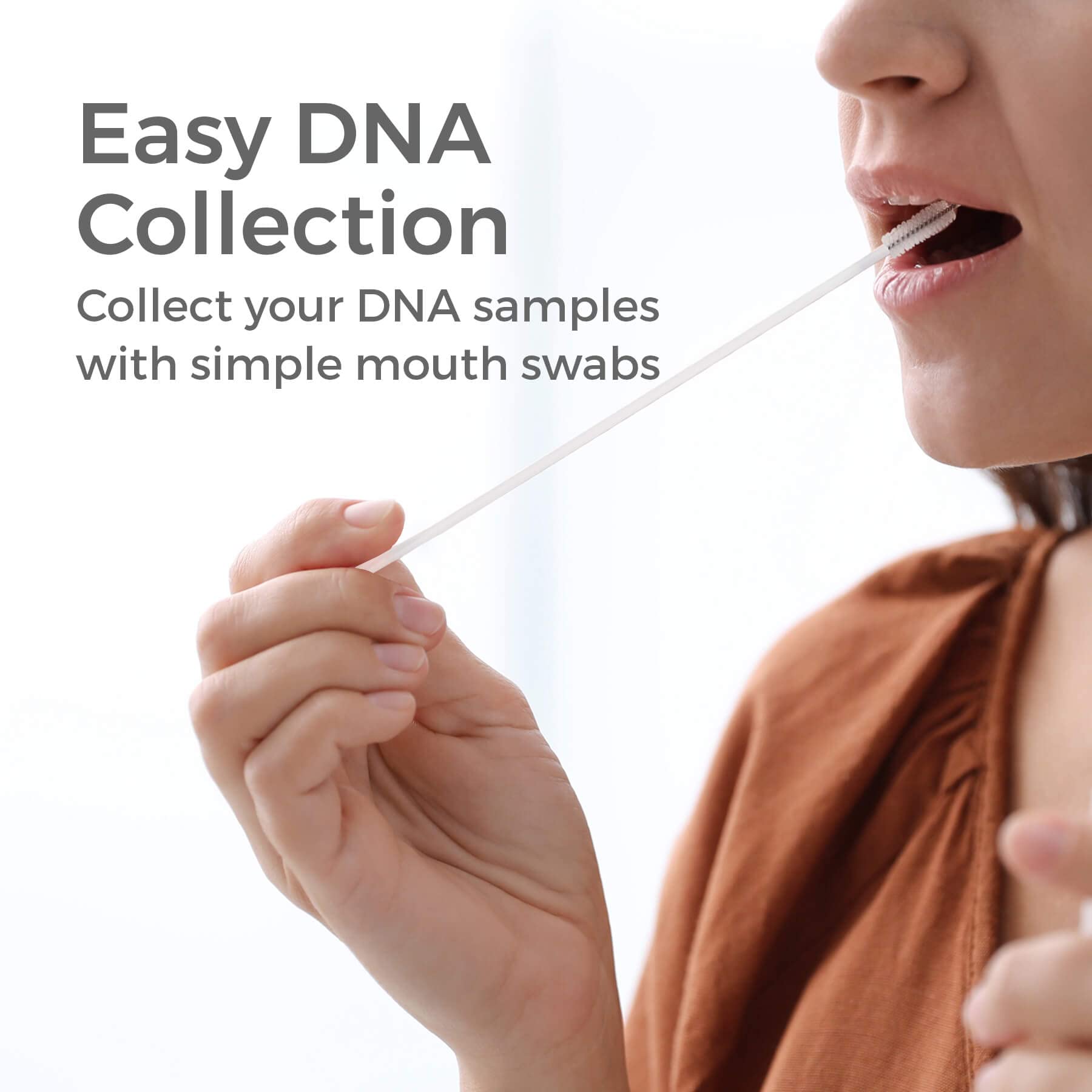
Most relationship tests use a cheek swab. A swab is gently rubbed inside the cheek to collect cells. The process is generally quick and noninvasive. The laboratory provides instructions for collecting, labeling, and returning the samples.
Follow the lab’s directions carefully. For example, it may ask participants not to eat, drink, smoke, or chew gum for a short period before collection. Correct identification and handling of each sample are important for reliable results.
At-Home Testing and Legal Testing
At-home DNA tests are usually intended for personal information. Participants collect their own samples and send them to a laboratory. Because the individuals typically handle the samples themselves, an at-home test may not meet the documentation and identity-verification requirements needed for court or other official purposes.
For legal use, ask for a test with a documented chain of custody. This generally involves verifying participants’ identities, having samples collected by an authorized professional, and recording how the samples are handled and sent to the lab. Requirements can vary, so check with the court, agency, or attorney requesting the results before arranging testing.
Understanding the Results
A laboratory report typically states whether the results support or exclude the tested biological relationship. A maternity test can provide strong scientific evidence, but the report should be read in context. If you have questions about the terminology, ask the laboratory to explain the findings and the limits of the test.
A DNA test can help answer a biological relationship question, but it does not by itself determine legal parentage, custody, visitation, or parental responsibilities. Those matters may involve separate legal procedures and depend on the circumstances and applicable law.
Privacy and Consent
Before testing, find out how the provider protects genetic information, who can access the results, how long samples and data are retained, and whether they may be used for any purpose beyond the test. Make sure every participant understands what the test is intended to establish and how the results may be shared.
Testing a child raises additional consent and privacy considerations. A parent or legal guardian may need to authorize testing, and legal requirements can depend on the situation. If there is disagreement about testing or the results could affect a court matter, consider getting legal advice before proceeding.
Choosing a Test
When comparing providers, look for clear information about laboratory accreditation, sample collection, result timelines, privacy practices, and whether the test is suitable for your intended purpose. Confirm whether the mother’s sample is necessary and what documentation will be required.
A mother DNA test may help clarify a biological relationship, whether the question concerns maternity or a paternity test that includes the mother. Choosing the appropriate test—and understanding what its results can and cannot establish—can make the process clearer for everyone involved.
Everything You Need to Know About Mother DNA Tests: FAQs Answered
- What is a mother DNA test?
- How does a maternity DNA test work?
- Is the mother’s DNA required for a paternity test?
- How are samples collected for a mother DNA test?
- How accurate are mother DNA test results?
- Can a mother DNA test be used for legal purposes?
- How long does it take to get mother DNA test results?
What is a mother DNA test?
A mother DNA test, also called a maternity test, compares a child’s DNA with a woman’s DNA to determine whether they are biologically related as mother and child. Samples are usually collected with a simple cheek swab and analyzed by a laboratory. A mother’s sample may also be included in a paternity test to help clarify which genetic markers a child inherited from each parent. If results are needed for court or another official purpose, ask the provider about identity verification and chain-of-custody requirements.
How does a maternity DNA test work?
A maternity DNA test compares a child’s DNA with that of a woman to determine whether they share a biological mother-child relationship. A laboratory typically collects DNA using cheek swabs, then analyzes genetic markers in each sample for the patterns expected between a biological mother and child. The lab reports whether the results support or exclude maternity. If the test is needed for court or another official purpose, choose a legal test with verified identities and documented sample handling; an at-home test may be intended for personal information only.
Is the mother’s DNA required for a paternity test?
The mother’s DNA is not always required for a paternity test. A lab can usually compare the child’s DNA directly with the alleged father’s, but including the mother’s sample may help clarify which genetic markers the child inherited from her and strengthen the analysis. Ask the testing provider whether a mother’s sample is recommended for your situation, especially if the results are intended for legal use, since legal testing may have specific collection and documentation requirements.
How are samples collected for a mother DNA test?
Samples for a mother DNA test are usually collected with a painless cheek swab. A swab is gently rubbed against the inside of each participant’s cheek to gather cells, then sealed and sent to the laboratory according to the provider’s instructions. Follow any preparation directions, such as avoiding food or drink shortly before collection, and make sure each sample is correctly labeled. For a test intended for legal use, samples may need to be collected by an authorized professional who verifies each person’s identity and documents the chain of custody.
How accurate are mother DNA test results?
Mother DNA test results are generally highly accurate when samples are collected and analyzed correctly by a qualified laboratory. A maternity test typically examines many genetic markers and can strongly confirm or exclude a biological relationship. Accuracy may depend on the type of test, sample quality, and whether the correct people are tested, so follow the lab’s instructions and ask how its results are reported. If results are needed for court or another official purpose, choose a test with verified identities and a documented chain of custody; requirements vary by jurisdiction.
Can a mother DNA test be used for legal purposes?
Yes, a mother DNA test may be used for legal purposes, but an at-home test is generally intended for personal information and may not meet court or agency requirements. For legal use, request a test with a documented chain of custody, where participants’ identities are verified and samples are collected and handled according to established procedures. Requirements vary by jurisdiction and by the organization requesting the results, so confirm what is accepted before testing.
How long does it take to get mother DNA test results?
Mother DNA test results typically take a few business days to a couple of weeks after the laboratory receives all required samples, though timing varies by provider, test type, and shipping or processing delays. Some labs offer expedited service for an additional fee. Before ordering, check the lab’s estimated turnaround time and whether it begins when samples arrive or after they are received and verified.