
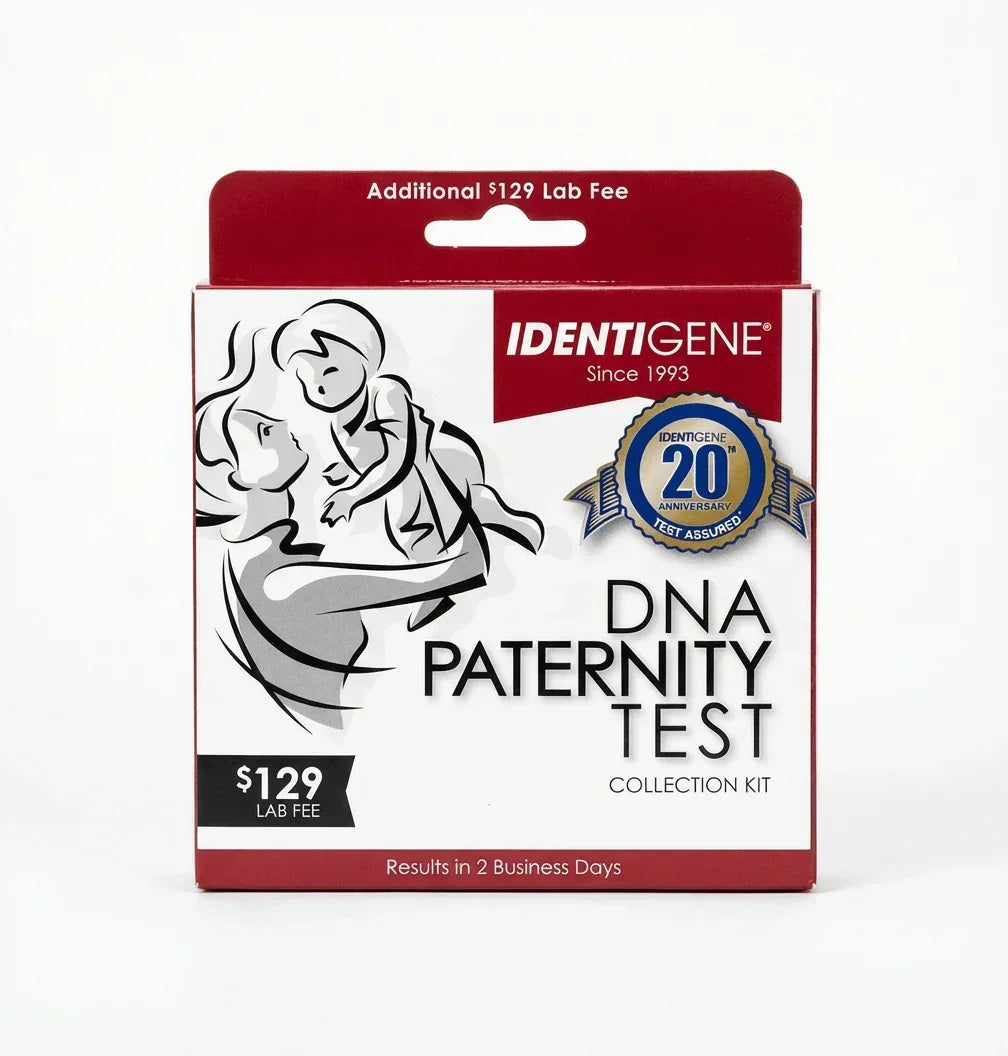
A Home DNA Test: What to Know Before You Order
A home DNA test can offer a convenient way to learn about biological relationships, ancestry, or certain genetic traits. Most kits use a cheek swab or saliva sample that you collect at home and mail to a laboratory. The process is straightforward, but the results—and how you can use them—depend on the kind of test you choose.
What Is a Home DNA Test?
A home DNA test is a kit that lets you collect a sample without visiting a clinic or testing center. The company’s laboratory analyzes the sample and provides results, commonly through a secure online account or by mail.
“Home DNA test” can refer to several different services:
- Relationship testing: Tests such as paternity or sibling tests compare DNA from two or more people to assess whether they may be biologically related.
- Ancestry testing: These tests estimate genetic ancestry and may identify potential genetic relatives who have also tested with the same service.
- Health-related testing: Some tests report selected genetic variants associated with traits or health risks. These results do not provide a complete picture of a person’s health.
How the Process Works
- Choose a test. Check what the test is designed to determine, which samples it requires, and whether the results are intended for personal information or for an official purpose.
- Collect the sample. Follow the kit’s instructions closely. A cheek swab is common. The person providing the sample may be asked not to eat, drink, smoke, or chew gum for a short period beforehand.
- Return the sample. Package and mail it using the supplied materials. Some tests require samples from more than one person.
- Review the results. The laboratory processes the samples and makes the report available according to the provider’s stated timeline.
Incorrect collection, contamination, or missing paperwork can delay testing or make a sample unusable. Read the instructions before collecting samples, and contact the provider if anything is unclear.
Personal Testing Versus Legal Testing
A home relationship test may be useful for personal knowledge, but a privately collected sample generally does not establish a documented chain of custody. That can make the results unsuitable for court, child support proceedings, birth-certificate changes, or other official matters.
When results may be needed for a legal or administrative purpose, ask the relevant court, agency, or attorney what testing procedure is accepted before ordering a kit. An authorized legal test typically involves identity verification, witnessed sample collection, and documented handling of samples. Requirements vary by jurisdiction and by the purpose of the test.
Understanding Paternity Results
A paternity test compares genetic markers in the child’s sample with those of the tested adult. A report may exclude the tested person as the biological parent or state that the results support paternity with a statistical probability. The precise wording and interpretation depend on the laboratory and test design.
Check who must provide samples. Testing the child, the possible father, and the child’s other biological parent can sometimes provide more information, though the requirements depend on the test. A test result addresses biological relationship; it does not determine legal parentage, custody, parenting time, or a person’s role in a child’s life.
Privacy, Consent, and Family Considerations
DNA is sensitive personal information. Before sending a sample, review the provider’s privacy policy and find out:
- How samples and genetic data are stored, used, and protected
- Whether samples are destroyed after testing, and how to request destruction
- Whether data may be shared with research partners, service providers, or law enforcement
- Whether the company allows you to delete your account and genetic data
- Who can access the results and how they are delivered
Obtain consent from each adult whose sample will be tested. For a child, a parent or legal guardian will generally need to provide consent, but rules and responsibilities can vary. Avoid collecting or submitting another person’s DNA without appropriate permission.
Genetic results can also reveal unexpected information, such as an unanticipated biological relationship. Consider how results might affect the people involved and whether you have support available if the findings are difficult to process.
Choosing a Test Provider
Before purchasing a kit, compare providers carefully. Look for clear information about laboratory procedures, sample requirements, turnaround times, fees, privacy practices, and what the report can and cannot establish. For health-related tests, ask whether results are reviewed by a qualified professional and whether confirmatory testing or genetic counseling may be appropriate.
A home DNA test can be a convenient starting point, but it is important to choose a test that fits your purpose. Read the instructions and privacy terms, make sure everyone involved has given appropriate consent, and use an accredited or otherwise appropriately qualified laboratory when accuracy or formal documentation matters.
Top 8 Frequently Asked Questions About Home DNA Tests
- Are home DNA tests accurate?
- What is the best DNA test to take at home?
- How accurate is an at-HomeDNA test?
- How does a Walgreens DNA test work?
- How can I do a simple DNA test at-home?
- How much is a DNA test at Walgreens?
- How do I get a DNA test done for free?
- Can a DNA test be done at-home?
Are home DNA tests accurate?
Home DNA tests can be highly accurate when the right test is used, samples are collected correctly, and a qualified laboratory analyzes them. Accuracy depends on the test’s purpose: relationship tests compare genetic markers to assess biological relationships, while ancestry and health tests provide estimates or information limited to the variants they examine. Follow the kit instructions carefully, and check the provider’s testing and privacy information. If results are needed for a legal matter, confirm the requirements beforehand; a test collected at home may not meet legal standards for identity verification and chain of custody.
What is the best DNA test to take at home?
The best home DNA test depends on what you want to learn. For ancestry, compare the size of the company’s relative-matching database, geographic coverage, and privacy practices. For a personal paternity or relationship question, choose a test specifically designed for that relationship and check which participants’ samples are needed. If results may be used for court or another official purpose, a standard at-home test may not qualify; ask the relevant agency or attorney about an approved test with verified identities and documented sample handling.
How accurate is an at-HomeDNA test?
The accuracy of an at-home DNA test depends on the type of test, the laboratory’s methods, and the quality of the samples. Reputable laboratories can produce highly reliable results when samples are collected and handled according to instructions, but contamination, mislabeled samples, or incomplete testing may affect results. For paternity tests, reports may show a high probability of paternity when the tested person is biologically related, or exclude that relationship; read the report’s explanation and contact the provider with questions. If results are needed for a legal matter, check the applicable requirements first, since a home-collected test may not meet chain-of-custody rules.
How does a Walgreens DNA test work?
A DNA test purchased at Walgreens is typically a kit from a third-party testing company, rather than a test performed by Walgreens. You collect the sample—often with a cheek swab—following the kit’s instructions, then send it to the company’s laboratory for analysis; results are usually provided directly by the testing provider. The process, cost, and turnaround time vary by kit, so check its packaging and instructions. If you need results for a court or other official purpose, confirm the requirements first, since a standard at-home test may not include the identity checks and documented sample handling required for legal testing.
How can I do a simple DNA test at-home?
To do a simple DNA test at home, choose a kit that fits your needs—such as an ancestry or personal relationship test—and follow the instructions provided. Most kits require a cheek swab or saliva sample, which you collect and return to the laboratory in the supplied packaging. Make sure each adult providing a sample has given consent, and review the company’s privacy policy before sending genetic information. If you need results for a court or other official purpose, check the requirements first: a standard at-home kit may not meet legal testing procedures.
How much is a DNA test at Walgreens?
The cost of a DNA test at Walgreens depends on the product, brand, and current availability; prices can change between stores and online. Check Walgreens.com or contact a nearby store for current pricing and to confirm which kits are offered. If you’re looking for a paternity test, verify that the kit specifically tests biological relationships, since ancestry and health DNA kits do not establish paternity.
How do I get a DNA test done for free?
Free DNA testing may be available through a state or local child support agency when paternity is being established, depending on your situation and local rules. Contact your child support office or legal aid provider to ask about eligibility and whether testing costs are covered. Most direct-to-consumer home DNA kits charge a fee, and an at-home test may not be accepted for legal purposes; if you need results for a court or child support case, confirm the required testing process before ordering a kit.
Can a DNA test be done at-home?
Yes. Many DNA tests, including paternity tests for personal information, can be collected at home using a cheek swab and mailed to a laboratory. Follow the kit instructions carefully and make sure everyone providing a sample has given appropriate consent. If you need results for court or another official purpose, check the requirements first: a self-collected home test may not be accepted, and documented identity verification and chain of custody may be required.