
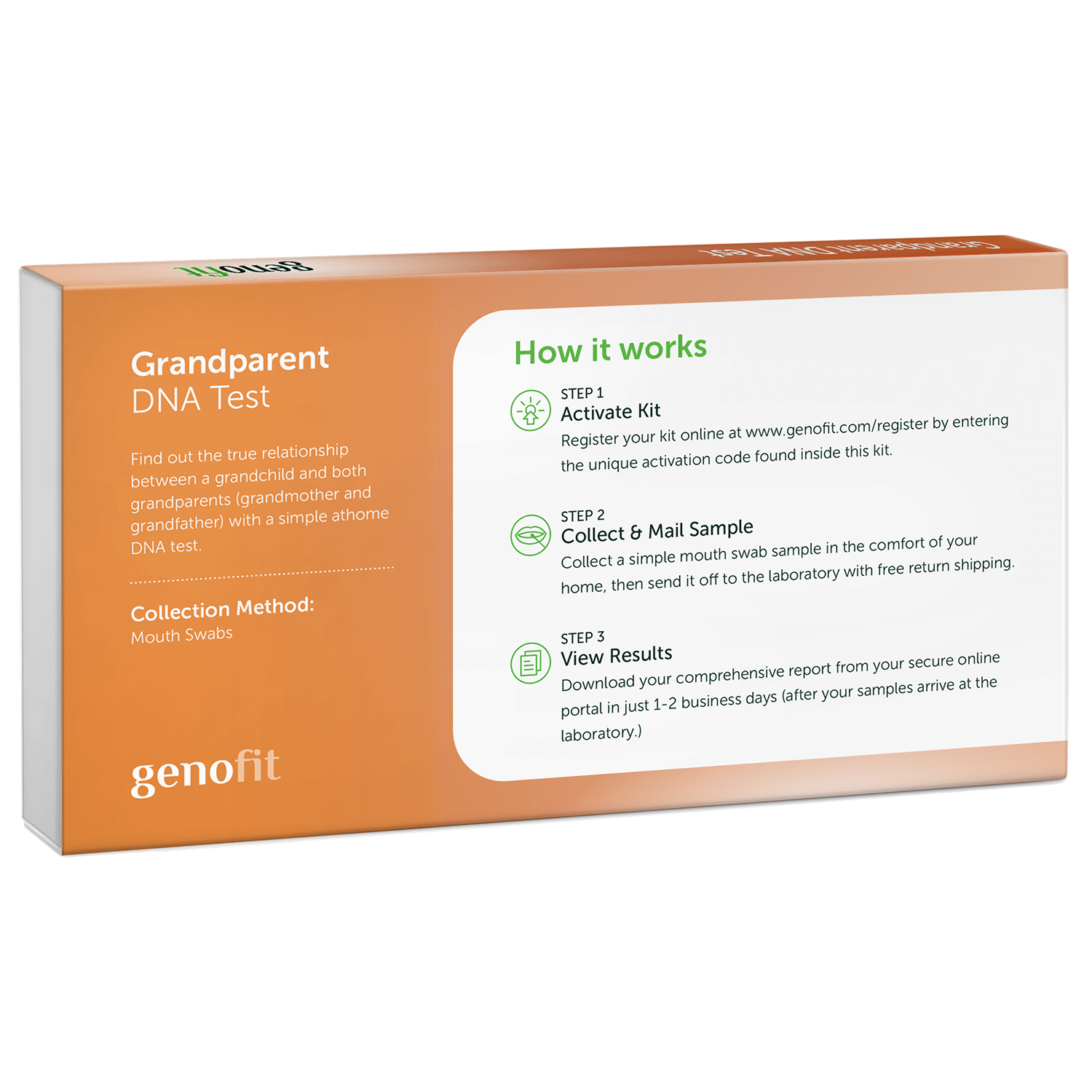
Free Grandparent DNA Testing: What Families Need to Know
When a child’s biological parent is unavailable for DNA testing, grandparents may be able to help answer questions about biological family relationships. Grandparent DNA testing can provide useful evidence, but a truly free test may be difficult to find. Availability, eligibility, and whether a result can be used for legal purposes depend on the provider and the circumstances.
What Is Grandparent DNA Testing?
A grandparent DNA test compares a child’s DNA with that of one or both of the alleged biological grandparents. The analysis looks for genetic patterns that a child may have inherited through the family line.
Testing both grandparents usually provides more information than testing only one. If an alleged parent is available, including that person’s sample can also help clarify the results. A laboratory can explain which participants are needed and what conclusions the test can support.
Can You Get a Free Grandparent DNA Test?
Some families may qualify for testing at no cost or with financial assistance, but free testing is not widely available through ordinary commercial DNA-testing services. Possible avenues to explore include:
- Court or child-support proceedings: In some cases, a court or government agency may arrange or pay for genetic testing. Ask the agency or court handling the case about available procedures and who is responsible for the cost.
- Legal aid or family-support organizations: Local legal aid offices and family-service organizations may be able to explain low-cost options or connect families with assistance.
- University or research programs: Occasionally, a study may offer DNA testing at no charge to eligible participants. Research testing may not provide results suitable for legal use.
- Laboratory assistance programs: Some providers may offer reduced fees or payment options. Contact laboratories directly to ask about current policies and eligibility.
Before sharing personal information or submitting DNA samples, confirm that an offer is legitimate. Ask who conducts the analysis, how the samples and results will be handled, whether there are additional fees, and whether participation requires consent from everyone being tested.
Free or Low-Cost Tests May Not Be Court-Admissible
A home DNA test can sometimes provide personal information, but it may not meet legal requirements. Legal testing generally uses a documented chain of custody: identities are verified, samples are collected by an approved professional, and each transfer is recorded. Requirements vary by jurisdiction and by the purpose of the test.
If results may be used in a court case, inheritance matter, immigration process, or official parentage proceeding, contact the relevant court or agency before ordering a test. Ask which laboratories and collection procedures it accepts. A test purchased for personal knowledge may need to be repeated under legal procedures.
What Affects the Reliability of Results?
Grandparent testing does not always produce a simple yes-or-no answer. The strength of the evidence can depend on how many relatives participate, which side of the family is being tested, and whether other possible biological relationships could explain the genetic similarities. Testing both alleged grandparents, when possible, can make the analysis more informative. A qualified laboratory should explain the limitations of the test before samples are collected.
Consent and Privacy Matter
DNA is sensitive personal information. Make sure each adult participant understands what the test involves and agrees to take part. For a child, a parent or legal guardian generally must provide consent, though rules can vary. Ask the provider how it stores samples and data, who can access the results, whether samples are destroyed after testing, and whether information may be shared with third parties.
Questions to Ask Before Choosing a Provider
- Is the test intended for personal knowledge or legal use?
- Which family members should participate for the most informative result?
- Are sample collection, shipping, or reporting fees charged separately?
- What identification and consent are required?
- How are DNA samples and personal information protected?
- Can the provider explain the results and their limitations?
Finding the Right Next Step
If cost is a concern, start by contacting the court, child-support agency, or legal aid organization involved in the situation. If the goal is personal information rather than a legal determination, compare reputable laboratories and ask about financial assistance before ordering. Confirming the purpose of the test first can help prevent unexpected costs and ensure that the results will be useful for the family’s needs.
This article is for general informational purposes only and is not legal or medical advice. Testing rules and assistance programs vary, so check with the relevant agency or a qualified professional.
5 Tips for Finding and Using Free Grandparent DNA Testing
- Check whether a free trial or financial assistance covers the test; lab testing often costs extra.
- Ask the grandparent and all participants for informed consent.
- Use an autosomal DNA test to compare shared relatives and estimate grandparent relationships.
- If a parent is available, include their DNA to strengthen the comparison.
- For court or immigration matters, choose a lab that offers legally documented testing.
Check whether a free trial or financial assistance covers the test; lab testing often costs extra.
Before choosing a grandparent DNA test, check whether a free trial or financial-assistance program actually covers the laboratory analysis. Some offers waive only the account or kit fee, while sample processing, shipping, or result reports may cost extra. Ask the provider for a complete breakdown of charges so you know the total cost before submitting samples.
Ask the grandparent and all participants for informed consent.
Before arranging a grandparent DNA test, make sure the grandparent and every other participant understands what the test involves, how samples and results will be used, and who may have access to the information. Ask questions about privacy, data storage, and any possible fees, and confirm that each person agrees to participate voluntarily. For a child, obtain permission from the parent or legal guardian, and check the testing provider’s consent requirements.
Use an autosomal DNA test to compare shared relatives and estimate grandparent relationships.
An autosomal DNA test can help explore a possible grandparent relationship by comparing the child’s DNA with a grandparent’s and looking at the amount of shared DNA. When direct testing is unavailable or unaffordable, comparing shared matches—other people who match both participants—may offer additional clues about family connections. These comparisons are estimates, not definitive proof of a grandparent relationship, and results from consumer tests generally aren’t suitable for legal use. Check the provider’s costs, privacy practices, and testing limitations before submitting anyone’s DNA.
If a parent is available, include their DNA to strengthen the comparison.
If one of the child’s parents is available, including their DNA in a grandparent test can make the comparison more informative. The parent’s sample helps the laboratory identify which genetic markers the child inherited from that side of the family, making it easier to assess whether the tested grandparent is biologically related. Ask the testing provider which participants are needed and whether adding a sample affects the cost, since “free” testing offers may have limits or extra fees.
For court or immigration matters, choose a lab that offers legally documented testing.
For court or immigration matters, choose a DNA-testing laboratory that provides legally documented testing, not just a home test for personal knowledge. These tests typically include identity verification and a documented chain of custody to show how samples were collected and handled. Before ordering, confirm with the court, agency, or an immigration attorney that the lab and its procedures meet the specific requirements for your case, and ask whether any fees apply.