
Free At-Home DNA Paternity Tests: What to Know Before You Order
A free at-home DNA paternity test may sound like a simple way to get answers without paying upfront. But “free” can mean different things: a sample kit may be free while laboratory analysis, shipping, or a report costs extra. Before ordering, check exactly what is included and whether the test is suitable for your needs.
How an At-Home Paternity Test Works
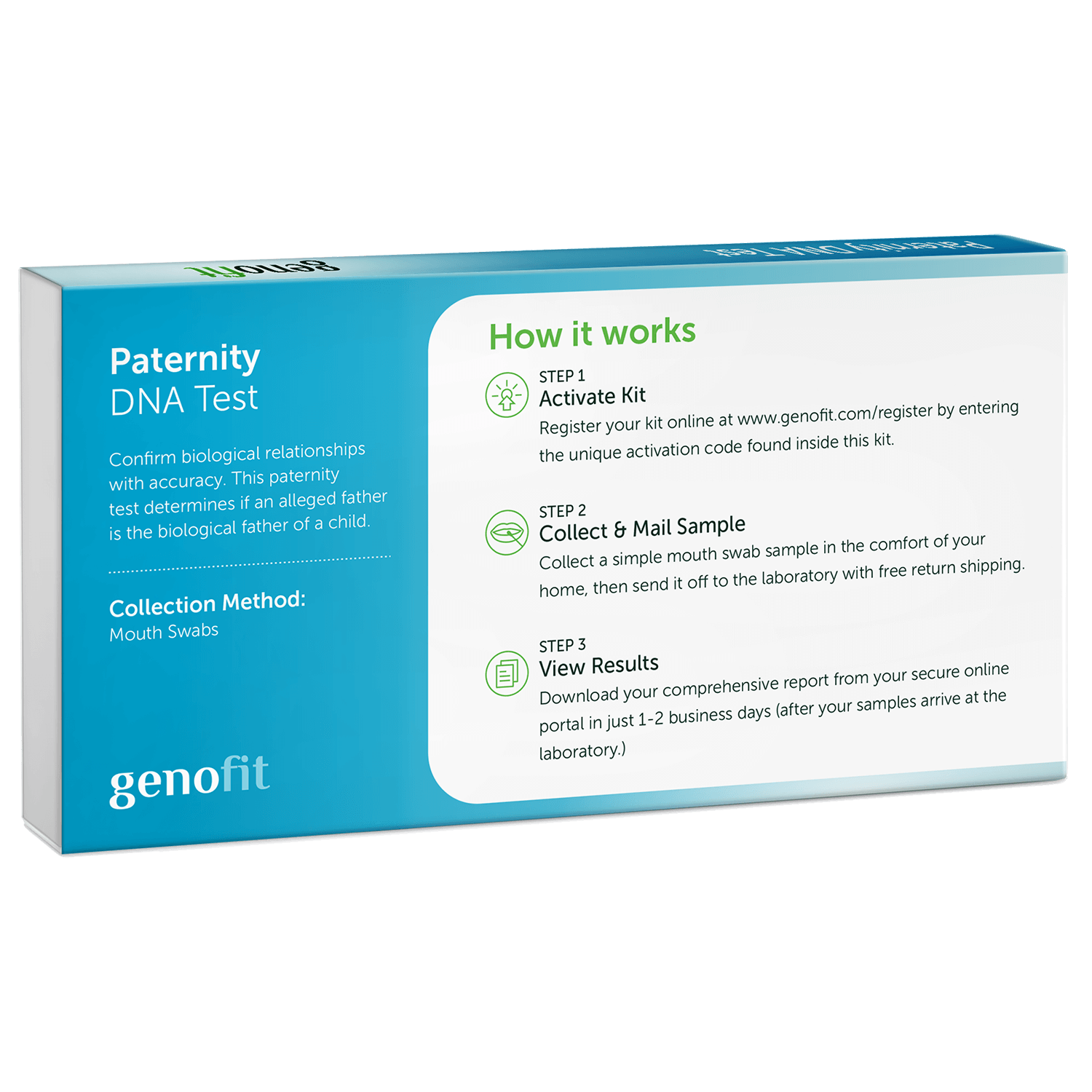
Most at-home paternity tests use cheek swabs to collect DNA from the child and the alleged father. The swabs are sent to a laboratory, where the samples are compared at multiple genetic markers. A mother’s sample is often optional, though it may help the lab interpret results.
Follow the lab’s instructions carefully. Avoid eating, drinking, smoking, or chewing gum for the period specified before collecting a sample, and use a separate, clean swab for each person. Incorrectly collected or labeled samples can delay testing or affect whether the lab can process them.
What “Free” May Include
Some companies advertise a free collection kit but charge for testing once the samples are returned. Other offers may include laboratory analysis but add fees for shipping, expedited processing, additional participants, or printed reports. Promotional offers may also have eligibility requirements or require a subscription or purchase.
Before sharing personal information or sending DNA, read the full terms. Confirm the total price, what the fee covers, how long results take, and whether there are charges if a sample must be recollected. Be cautious of offers that are vague about the laboratory, costs, or privacy practices.
At-Home Tests and Legal Use
A standard at-home test is generally intended for personal knowledge. Because participants collect and submit their own samples, the results may not meet the identity-verification and chain-of-custody requirements needed for court or other official purposes.
If results may be needed for a court case, child support matter, birth-record change, or another legal process, ask the relevant agency or a qualified attorney what type of test is required before ordering. A legal test typically involves identity checks and sample collection by an approved, independent professional.
Accuracy and Understanding the Results
Accredited laboratories can provide highly reliable paternity results when they receive valid samples and follow established testing procedures. A report commonly indicates that paternity is excluded or gives a probability of paternity. The wording and interpretation can vary, so review the report carefully and contact the lab with questions.
A home test is not a medical diagnosis. If the result could affect a legal decision or create a serious family concern, consider getting guidance from an appropriate professional before acting on it.
Privacy and Consent
DNA is sensitive personal information. Review the company’s privacy policy to learn how samples and genetic data are stored, who can access them, whether they may be shared, and how to request their destruction. Ask whether the lab keeps physical samples or digital data after issuing the report.
Make sure every participant—or a parent or legal guardian acting for a minor—has the authority to provide a sample and understands how it will be used. Do not collect or submit another person’s DNA without appropriate consent.
Questions to Ask Before Choosing a Test
- Is the kit free, or is only the sample collection kit free?
- What is the full cost, including shipping and any optional services?
- Which laboratory performs the analysis, and what credentials or accreditation does it hold?
- Is the test for personal information only, or does it meet requirements for legal use?
- How are samples and genetic data protected, retained, or deleted?
- What happens if a sample is unusable or results are inconclusive?
The Bottom Line
A free at-home DNA paternity test may provide an accessible starting point, but the advertised price may not include laboratory analysis or other fees. Compare the complete cost, verify the laboratory and privacy practices, and choose a test that matches your purpose. If the result needs to be legally recognized, confirm the requirements before collecting any samples.
Free At-Home DNA Paternity Tests: 6 Frequently Asked Questions
- Is there a free paternity test available?
- Are home DNA paternity tests accurate?
- Is there a DIY paternity test?
- Where can I do a paternity test for free?
- Does Walgreens do a paternity test?
- How to get a free paternity DNA test?
Is there a free paternity test available?
A completely free at-home paternity test that includes laboratory analysis is uncommon. Some companies offer a free sample-collection kit, but charge for testing, shipping, or the results report. Check the full cost and terms before ordering, and remember that at-home tests are usually for personal knowledge; legal matters may require a test with verified identities and documented sample handling.
Are home DNA paternity tests accurate?
Yes. At-home DNA paternity tests can be highly accurate when samples are collected correctly and analyzed by a reputable laboratory. Results typically show whether the tested man is excluded as the biological father or report a probability of paternity. Accuracy can be affected by mislabeled, contaminated, or improperly collected samples, so follow the kit instructions carefully. At-home tests are usually for personal information; legal matters may require a test with verified identities and documented sample handling.
Is there a DIY paternity test?
Yes. A do-it-yourself (DIY) paternity test usually means collecting cheek-swab samples at home and mailing them to a laboratory for analysis. Follow the kit’s instructions and make sure everyone involved—or a parent or legal guardian for a minor—has given appropriate consent. These tests are generally intended for personal information; if you need results for court or another official purpose, ask about a legal test with verified identities and documented sample handling. Check the full price, laboratory credentials, and privacy policy before ordering, since a “free” kit may not include testing or shipping.
Where can I do a paternity test for free?
Truly free paternity testing can be difficult to find. In the U.S., your state or county child support agency may arrange genetic testing at no upfront cost when paternity is disputed as part of a child support case, though fees may later be assigned to a parent. Contact your local agency or legal aid office to ask about eligibility and requirements. Most at-home tests marketed for personal use charge for laboratory analysis, even when the sample kit is advertised as free.
Does Walgreens do a paternity test?
Walgreens generally does not perform paternity tests in its stores or collect samples for paternity testing. At-home test kits may be available through specialty providers or retailers, but availability can vary, so check directly with Walgreens before visiting. If you need results for court or another legal purpose, contact an accredited testing provider about a legal test with verified identities and documented chain of custody.
How to get a free paternity DNA test?
Free paternity DNA tests may be available through local or state assistance programs, community health organizations, legal aid services, or research studies, but eligibility and availability vary. Some companies advertise a free at-home kit while charging separately for laboratory analysis, shipping, or results, so check the full cost and terms before ordering. If you need a test for court or another official purpose, contact the relevant agency or a legal aid provider first; a free personal-use kit may not meet legal testing requirements.