
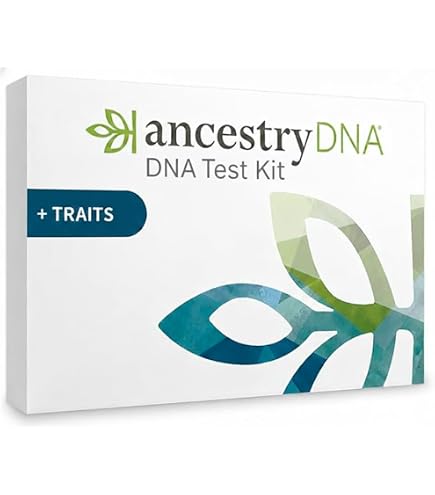
Get Your DNA Tested: What to Know Before You Begin
A DNA test can help answer important questions about biological relationships, ancestry, or health. Before arranging a test, consider what you want to learn and whether the results need to be used for personal information, medical decisions, or a legal matter. The right kind of test and collection process depends on your goal.
Choose a Test That Matches Your Goal
DNA tests are designed for different purposes. A paternity test compares a child’s DNA with an alleged biological parent’s DNA. Other relationship tests can help assess whether people may be siblings, grandparents, or other relatives. Ancestry tests look for genetic connections and geographic ancestry, while some health-related tests examine specific genetic traits or risks.
These tests are not interchangeable. If the results may be used in court or for an official proceeding, a home test may not meet the requirements. Ask the relevant court, agency, or attorney what type of test and documentation will be accepted before collecting samples.
Personal Testing and Legal Testing
A personal DNA test is generally intended for private information. Kits often involve collecting a cheek swab or saliva sample at home and mailing it to a laboratory. The results may help answer a personal question, but the identity of the people tested and the handling of the samples may not be independently verified.
A legal DNA test typically uses identity verification and a documented chain of custody. Samples are collected by an approved professional or collection site, and each step is recorded to help establish whose samples were tested. If the results are needed for a legal matter, arrange the test through a provider that offers legally documented testing and confirm the requirements in advance.
What to Expect During Testing
Most relationship DNA tests use a cheek swab, which collects cells from inside the mouth. The process is usually quick and noninvasive. Follow the laboratory’s instructions carefully, including any directions about eating, drinking, or using the swab. Incorrectly collected or labeled samples can delay testing or affect whether a laboratory can process them.
After the samples arrive, the laboratory compares genetic markers to estimate whether a biological relationship is supported. The time needed for results varies by provider and test type. Ask how results will be delivered, who will be able to access them, and what support is available if the findings raise questions.
Before You Submit a Sample
- Confirm that the test is appropriate for your purpose, especially if results may be used in a legal proceeding.
- Review the laboratory’s credentials, testing process, fees, turnaround time, and policies for repeat testing.
- Read the privacy policy to understand how genetic data and samples are stored, shared, or deleted.
- Make sure everyone involved understands the test and agrees to participate. For a child, confirm who has authority to provide consent under the circumstances.
- Consider the emotional impact of possible results and whether support from a counselor, attorney, or trusted professional may be helpful.
Understand the Limits of DNA Results
DNA testing can provide strong evidence about biological relationships, but results should be interpreted in the context of the specific test and its purpose. Ancestry estimates can vary between companies, and genetic health reports do not necessarily diagnose a condition. For medical questions, discuss results with a qualified healthcare professional or genetic counselor.
Relationship testing can also reveal unexpected information about family connections. Before testing, think about how you and the people involved may respond to different outcomes. If the results affect parental rights, child support, birth records, or another legal issue, seek advice from a qualified legal professional. A DNA result may be relevant, but it does not automatically resolve every legal question.
Taking the Next Step
Start by identifying what you need the test to establish. For personal knowledge, compare reputable testing providers and review their privacy practices. For an official or court-related purpose, verify the required procedure before ordering a kit or collecting any samples. Careful preparation can help ensure the test is appropriate, the results are handled responsibly, and the next steps are clear.
8 Benefits of DNA Testing: Enhancing Family Understanding and Health Awareness
- Can help confirm biological relationships.
- May provide clarity about family connections.
- Can support ancestry research.
- Offers insight into inherited genetic traits.
- May help inform conversations with healthcare professionals.
- Can guide family medical history discussions.
- Testing is often simple and noninvasive.
- Results can help people make informed next-step decisions.
Consider These 4 Drawbacks Before Getting Your DNA Tested
- Results may reveal unexpected family information.
- Testing can raise privacy concerns.
- Legal tests may cost more than home kits.
- Results can cause emotional stress.
Can help confirm biological relationships.
DNA testing can help confirm biological relationships by comparing genetic markers between individuals. Depending on the test, results may provide evidence of a parent-child, sibling, or other family connection. This information can offer clarity for personal or family questions; if results are needed for a legal matter, choose a test with the appropriate identity verification and chain-of-custody procedures.
May provide clarity about family connections.
DNA testing may provide clarity about family connections by helping people understand whether they are biologically related and how they may fit into a family tree. For those with unanswered questions about parentage or other close relationships, results can offer useful information and help guide conversations with family members. Because findings may be unexpected or emotionally complex, it can help to consider their possible impact before testing.
Can support ancestry research.
DNA testing can support ancestry research by offering clues about your family’s geographic origins and potential genetic connections to relatives. Depending on the test and database, results may help you identify branches of your family tree, connect with genetic matches, or guide further research using records and family stories. Ancestry estimates are not definitive, and results can vary between providers, so they’re best treated as one source of information rather than a complete account of your heritage.
Offers insight into inherited genetic traits.
Getting your DNA tested can offer insight into inherited genetic traits, such as characteristics passed down through your family. Depending on the test, results may highlight genetic variations associated with traits like lactose tolerance, hair texture, or how the body processes certain substances. These findings can help you learn more about your biological background, though they don’t always predict exactly how a trait will appear. For questions about health-related results, consult a qualified healthcare professional or genetic counselor.
May help inform conversations with healthcare professionals.
DNA testing may provide information that helps you have more informed conversations with healthcare professionals. Depending on the type of test, results may offer clues about inherited traits or potential health risks, giving you and your provider a starting point for discussing your personal and family health history. Genetic test results do not diagnose a condition on their own, so review them with a qualified healthcare professional before making medical decisions.
Can guide family medical history discussions.
DNA testing can provide useful clues for conversations about family medical history. Learning about inherited traits or potential health risks may help you ask relatives more informed questions and identify patterns worth sharing with a healthcare provider. Test results don’t replace a complete family history or medical advice, but they can offer a starting point for discussing what may run in your family and whether further evaluation is appropriate.
Testing is often simple and noninvasive.
One advantage of getting your DNA tested is that sample collection is often simple and noninvasive. Many tests use a cheek swab, gently rubbed inside the mouth to collect cells, so there are no needles or medical procedures involved. By following the testing provider’s instructions, most people can provide a sample in just a few minutes.
Results can help people make informed next-step decisions.
DNA test results can give people clearer information to guide their next steps. Depending on the purpose of the test, results may help someone decide whether to speak with a healthcare professional, seek legal guidance, contact family members, or pursue additional testing. Understanding what the results can—and cannot—show can make it easier to choose a thoughtful path forward.
Results may reveal unexpected family information.
DNA test results may reveal unexpected family information, such as an unknown biological parent, a previously undisclosed sibling, or differences between a person’s genetic and presumed family relationships. These discoveries can bring up difficult emotions and affect relationships among family members. Before testing, consider how you might respond to surprising results and whether you would want support from a trusted person or counselor.
Testing can raise privacy concerns.
DNA testing can raise privacy concerns because genetic information is deeply personal and may reveal details about you and your relatives. Before submitting a sample, review the company’s privacy policy to understand how your DNA data will be stored, used, shared, or deleted. Check whether you can opt out of research or data sharing, and consider the possibility that genetic information could identify family members or reveal unexpected connections.
Legal tests may cost more than home kits.
Legal DNA tests may cost more than home kits because they often include identity verification, supervised sample collection, and documented handling of samples to meet official requirements. Before scheduling a test, ask the provider for a full price breakdown, including collection fees, shipping, and any charges for expedited results, so you can compare options and choose a test that fits your needs.
Results can cause emotional stress.
DNA test results can bring unexpected or difficult news, such as discovering an unknown biological parent, learning that a presumed family relationship is different than expected, or uncovering health information that raises new concerns. These findings may cause stress, grief, confusion, or tension among relatives. Before testing, consider how different outcomes could affect you and your family, and think about whether you may want support from a counselor or another trusted professional.