
Health and DNA Tests: What They Can—and Can’t—Tell You
DNA tests can offer useful information about health, ancestry, and inherited traits. In health care, genetic testing may help identify certain inherited conditions, clarify a diagnosis, or guide decisions about screening and treatment. But a DNA result is only one piece of the health picture. It does not predict every illness, and it should be interpreted in context.
What Is a Health DNA Test?
A health DNA test examines genetic material, usually from a blood or saliva sample, for specific changes in genes or chromosomes. Depending on the test, it may look for a known condition, assess the chance of developing certain diseases, or help explain how a person may respond to particular medications.
Genetic testing can be ordered by a health care professional or purchased directly by consumers. These options may differ in what they test, how results are interpreted, and whether genetic counseling is included.
Common Reasons for Genetic Testing
- Diagnosing a condition: Testing may help explain symptoms or confirm a suspected inherited disorder.
- Estimating inherited risk: Some tests look for genetic variants associated with a higher chance of developing certain conditions, such as particular cancers.
- Carrier screening: This can show whether someone carries a variant that could be passed to a child, even if the person has no symptoms.
- Medication guidance: Pharmacogenetic testing may provide information about how a person could respond to certain medicines. It does not replace a clinician’s judgment.
- Family planning: Testing may help individuals or couples understand the chance of passing on specific genetic conditions.
Understanding Risk and Results
A positive result does not always mean a person will develop a condition. It may indicate an increased likelihood, while other factors—such as age, environment, lifestyle, and medical history—also affect risk. A negative result does not rule out every genetic cause or guarantee that a condition will never occur. Some tests examine only selected genes or variants, and science continues to evolve.
Results can also be uncertain. A laboratory may identify a genetic change whose health significance is not yet known. Such a result is not the same as a diagnosis and may be reclassified as researchers learn more.
Clinical Testing and At-Home Tests
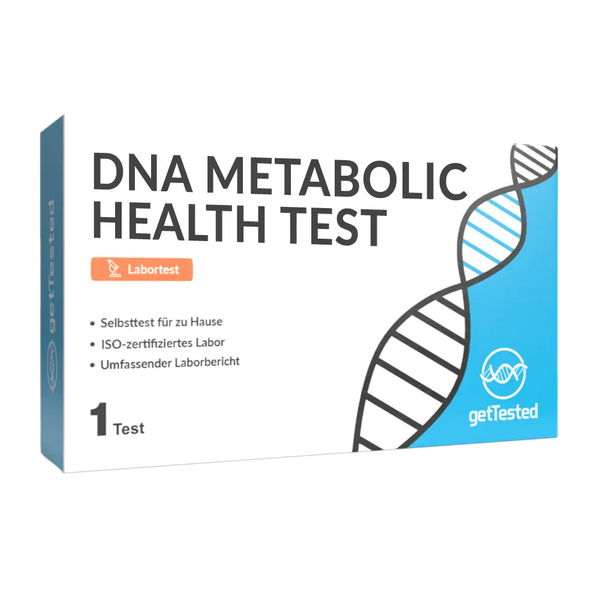
At-home DNA kits can be convenient, but their scope and accuracy vary. A test marketed for wellness or ancestry may not be designed to diagnose disease. Even when a consumer test reports a health-related finding, it may need confirmation through a clinical laboratory before it is used to make medical decisions.
Before choosing a test, check what it analyzes, who reviews the results, whether follow-up support is available, and whether the test has appropriate regulatory authorization for its intended use. A health care professional can help determine whether testing is relevant and what type may be appropriate.
Privacy and Family Considerations
Genetic information is personal and can also reveal information about biological relatives. Before submitting a sample, review the company’s privacy policy and learn how your data and sample may be stored, used, shared, or deleted. Consider whether you are comfortable with research use or other secondary uses of your information.
Test results may raise questions or affect family members, particularly when they reveal shared risks or unexpected biological relationships. Genetic counselors can help people understand possible implications and plan how to discuss results with relatives.
Talk With a Health Professional
Genetic testing is most useful when the question is clear and the result can inform care. A doctor or genetic counselor can review personal and family medical history, explain a test’s benefits and limitations, and help interpret the findings. Do not start, stop, or change medication—or make major medical decisions—based solely on an at-home DNA result.
DNA testing can contribute valuable information, but it is not a complete forecast of health. The best decisions combine genetic findings with professional guidance, medical history, and the broader circumstances of each person.
Health DNA Testing FAQs: Benefits, Costs, and What Results Can Reveal
- What is the DNA test for health history?
- What can DNA testing tell you about your health?
- How much does a DNA health analysis typically cost?
- Can a DNA test find out health issues?
- Are health DNA tests worth it?
- Is DNA testing for health worth it?
What is the DNA test for health history?
A DNA test for health history analyzes selected genetic variants that may be linked to inherited conditions or an increased risk of developing certain diseases. It can provide information to discuss with a health care professional, but it cannot reveal a person’s complete medical history or predict with certainty whether they will develop a condition. Results should be considered alongside family history and interpreted with a doctor or genetic counselor.
What can DNA testing tell you about your health?
DNA testing can reveal genetic variants linked to certain inherited conditions, estimate whether you may have a higher or lower risk for some diseases, identify whether you carry variants that could be passed to children, and sometimes offer clues about how you may respond to specific medications. Results do not predict your health with certainty: many conditions are influenced by factors beyond DNA, and a negative result does not rule out every risk. A health care professional or genetic counselor can help explain what a test covers and how to interpret the results.
How much does a DNA health analysis typically cost?
The cost of a DNA health analysis varies by test and provider. At-home tests that screen selected health traits or genetic risks often cost about $100–$300, while comprehensive clinical testing may range from a few hundred dollars to several thousand. Genetic counseling or follow-up care may cost extra. Insurance coverage depends on medical necessity and the plan, so check with the provider and insurer for the exact price and any out-of-pocket costs.
Can a DNA test find out health issues?
A DNA test can identify certain genetic variants linked to inherited conditions or a higher risk of developing specific health problems, but it cannot detect every illness or predict with certainty whether you will become sick. Results depend on what the test examines, and health is also shaped by factors such as family history, environment, and lifestyle. Discuss any health-related DNA results with a doctor or genetic counselor, who can explain what they mean and whether follow-up testing is needed.
Are health DNA tests worth it?
Health DNA tests can be worth it when they answer a specific question and the results can guide care, such as assessing an inherited risk or helping explain a diagnosis. However, they can’t predict your health with certainty, and a negative result doesn’t rule out every condition. At-home tests may also vary in what they analyze and how results are interpreted. Before purchasing a test or acting on a result, discuss its benefits, limits, privacy terms, and possible next steps with a health care professional or genetic counselor.
Is DNA testing for health worth it?
Whether DNA testing for health is worth it depends on what you hope to learn and how you’ll use the results. A clinically ordered test may help diagnose an inherited condition, clarify certain health risks, or guide screening and treatment when recommended by a health care professional. At-home tests can offer insights, but they may examine only selected genetic variants, and results can be uncertain or require confirmation. DNA cannot predict health with certainty, so consider the test’s scope, privacy terms, cost, and access to genetic counseling before deciding.