
Home Paternity Test Near Me: What to Know Before You Order
If you’re searching for a “home paternity test near me,” you may be looking for a private, convenient way to find out whether a man is a child’s biological father. At-home paternity tests are generally completed by collecting cheek-swab samples and sending them to a laboratory. Before choosing a test, it’s important to understand how the process works, what the results can—and cannot—be used for, and how to find a reputable testing provider.
What Is an At-Home Paternity Test?
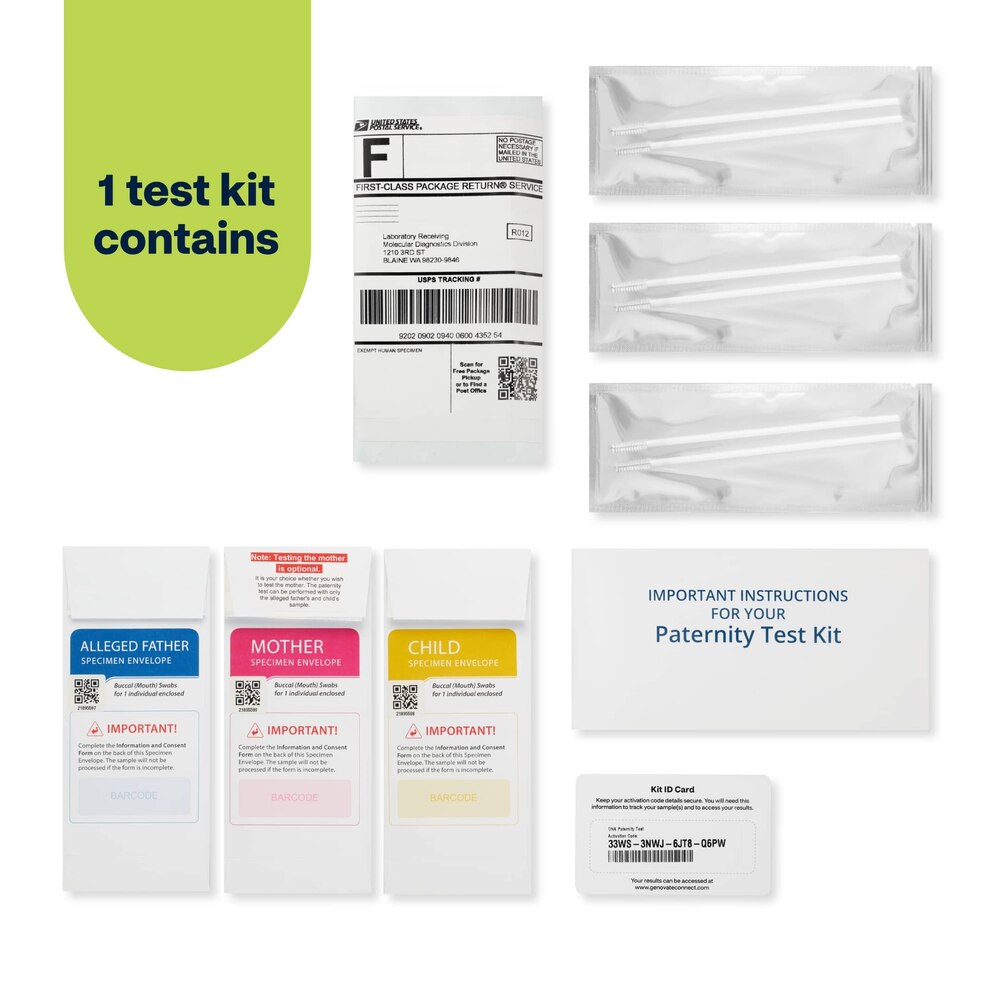
An at-home paternity test is a DNA test in which participants collect samples themselves, usually by rubbing a swab against the inside of the cheek. The samples are labeled, packaged, and mailed to a laboratory for analysis. The lab compares genetic markers from the child and alleged father to assess whether the results support a biological relationship.
These tests are often called “peace-of-mind” or “informational” tests. They can provide private answers, but because participants collect their own samples, the results may not meet the requirements for court or other official proceedings.
How to Find a Home Paternity Test Near You
Many at-home kits can be ordered online and delivered to your address, so you may not need a local testing office. If you prefer help with sample collection or want a test intended for legal use, search for accredited DNA testing laboratories or collection locations in your area.
- Check the provider’s credentials: Look for clear information about the laboratory, its accreditation, testing methods, and privacy practices.
- Ask what kind of test is offered: Confirm whether the test is for personal information or legal purposes.
- Find out where samples are collected: Some providers offer home collection kits, while legal tests may require samples to be collected by an approved professional.
- Review the full cost: Check whether the price includes all participants, shipping, processing, and delivery of results.
- Understand the timing: Ask how long results typically take after the laboratory receives all samples.
At-Home Tests vs. Legal Paternity Tests
The main difference is how the samples are collected and documented. With a home test, participants usually collect and mail their own swabs. That can be convenient for personal knowledge, but the lab may not be able to verify whose samples were submitted.
A legal paternity test uses identity checks and a documented chain of custody. Samples are collected by an authorized person, and the process records how they are handled. If results may be used for child support, custody, birth-certificate changes, inheritance, or another legal matter, ask the relevant court or agency what type of test it accepts before ordering.
What the Testing Process Usually Involves
- Choose a provider and test type. Make sure the service fits your purpose and includes the people whose samples are needed.
- Read the instructions carefully. Follow the kit’s directions for collecting and labeling each sample.
- Return the samples. Package and mail the swabs as instructed. Keep any tracking information provided.
- Receive and review the results. The provider will explain how results are delivered and what the report means.
Testing commonly involves the child and alleged father. A mother’s sample may be optional for some tests, but including it can sometimes help the laboratory interpret the results. Ask the provider what is recommended for your situation.
Accuracy, Consent, and Privacy
DNA paternity testing can provide strong evidence of a biological relationship when samples are correctly collected and analyzed by a qualified laboratory. No test can make up for mislabeled, contaminated, or improperly handled samples, so following the instructions matters.
Before testing a child, check the provider’s consent requirements and the laws that apply where you live. A parent or legal guardian may need to authorize testing for a minor. Do not collect or submit another person’s DNA without considering consent, privacy, and applicable law.
Also review how the company stores, shares, and disposes of genetic information. Ask whether samples are retained after testing, whether data may be used for research, and how to request deletion of stored information.
Questions to Ask Before Buying a Test
- Is this an informational test or a legal paternity test?
- Which laboratory analyzes the samples, and what accreditations does it hold?
- Who needs to provide a sample?
- Are there extra fees for additional participants, shipping, or expedited results?
- How are results delivered, and who can access them?
- What happens to the samples and genetic data after testing?
Choosing the Right Option
A home paternity test may be a convenient choice when the goal is private, personal information. If the result could affect a legal matter, contact the court, agency, or attorney involved before purchasing a kit; a standard home test may not satisfy their requirements. Comparing providers and understanding the difference between informational and legal testing can help you choose a process that fits your needs.
Because paternity results can have significant emotional and family consequences, consider how and when results will be shared. If you need help understanding the testing process or the next steps, a qualified legal professional or family counselor may be able to offer guidance.
9 Essential Tips for Choosing a Reliable Home Paternity Test Near You
- Search “home paternity test near me” to compare local pickup and delivery options.
- Choose a lab accredited by AABB for reliable testing.
- Check whether the kit is for personal knowledge or legal use.
- Confirm the price includes lab processing and shipping.
- Follow cheek-swab instructions carefully to avoid sample contamination.
- Make sure every participant gives informed consent.
- Review the lab’s privacy and sample-destruction policies.
- Check expected results time before ordering.
- Contact the lab if you need help collecting or mailing samples.
Search “home paternity test near me” to compare local pickup and delivery options.
Search “home paternity test near me” to compare local pickup and delivery options. Some providers let you collect a test kit from a nearby location, while others ship it directly to your home. Before choosing, check the total cost, sample-return process, estimated turnaround time, and whether the test is for personal information or legal use.
Choose a lab accredited by AABB for reliable testing.
When looking for a home paternity test near you, choose a laboratory accredited by AABB (formerly the American Association of Blood Banks). AABB accreditation indicates that the lab meets established standards for testing quality and procedures. Check that the lab performing the analysis—not just the kit retailer—holds current accreditation, and confirm whether its test is intended for personal information or legal use.
Check whether the kit is for personal knowledge or legal use.
Before ordering a home paternity test, check whether the kit is intended for personal knowledge or legal use. At-home kits typically rely on participants collecting and mailing their own samples, so the results may not meet court or agency requirements. Legal testing generally requires identity verification and a documented chain of custody. If the results may be used in a court case or official process, confirm the requirements with the relevant court or agency before choosing a test.
Confirm the price includes lab processing and shipping.
Before ordering a home paternity test near you, confirm that the listed price includes both laboratory processing and shipping. Some providers charge extra for return postage, additional participants, or faster results, which can significantly increase the total cost. Check the full fee breakdown before buying so you can compare options accurately and avoid unexpected charges.
Follow cheek-swab instructions carefully to avoid sample contamination.
Follow the cheek-swab instructions carefully to help prevent sample contamination and ensure the lab can process your test. Wash your hands before handling the swabs, avoid touching the swab tips, and follow the kit’s directions about eating, drinking, or smoking before collection. Use a separate, clearly labeled swab for each person, and seal and return the samples as instructed.
Make sure every participant gives informed consent.
Before ordering a home paternity test, make sure every participant understands what the test involves and freely agrees to provide a DNA sample. Explain how samples will be collected, how results and genetic information may be handled, and who may have access to them. For a child, check the testing provider’s requirements and applicable laws to determine who is authorized to give consent. Never collect or submit someone’s DNA without proper consent.
Review the lab’s privacy and sample-destruction policies.
Before ordering a home paternity test, review the laboratory’s privacy and sample-destruction policies. Check how your genetic information is stored, who can access it, whether it may be shared or used for research, and how long the lab keeps your samples and results. Choose a provider that clearly explains how to request deletion or destruction of samples and data, and make sure its policies match your privacy preferences.
Check expected results time before ordering.
Before ordering a home paternity test, check how long results are expected to take. Processing times vary by provider and usually begin once the lab receives all required samples, so include shipping time when planning. If you need results by a particular date, ask whether expedited processing is available and whether it costs extra.
Contact the lab if you need help collecting or mailing samples.
If you’re unsure how to collect or mail your samples, contact the testing lab before proceeding. The lab can explain the kit’s instructions, help you avoid common collection or packaging mistakes, and clarify shipping requirements. Following its guidance helps ensure the samples arrive in usable condition and the testing process isn’t delayed.