
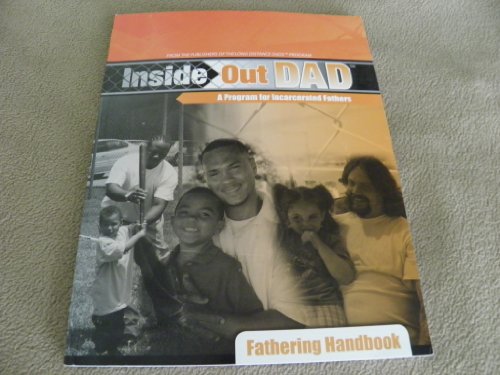
Incarcerated Fathers Programs: Supporting Incarcerated Dads and Their Families
Being incarcerated can be a challenging experience, not only for the individual serving time but also for their families, especially their children. In many cases, fathers behind bars miss out on crucial bonding time with their kids and struggle to maintain relationships from a distance.
Recognizing the importance of maintaining family connections and supporting parental roles even in difficult circumstances, many correctional facilities and community organizations have implemented programs specifically designed to assist incarcerated fathers.
Benefits of Incarcerated Fathers Programs:
- Parenting Skills Development: These programs often provide workshops and classes to help incarcerated dads enhance their parenting skills, communication techniques, and emotional support strategies for their children.
- Family Visitation Support: Some programs facilitate regular visitation opportunities between fathers and their children, allowing for in-person interactions that can strengthen familial bonds despite physical separation.
- Mental Health Services: Recognizing the mental health challenges faced by incarcerated individuals, these programs may offer counseling services and emotional support to help fathers cope with the stresses of incarceration.
- Reentry Preparation: Many programs focus on preparing fathers for reentry into society by providing job training, educational opportunities, and resources to assist them in successfully reintegrating into their families’ lives upon release.
- Legal Assistance: Some programs offer legal aid to incarcerated fathers seeking to establish or maintain parental rights, navigate child custody issues, or address any legal barriers to maintaining relationships with their children.
Incarcerated fathers programs play a vital role in not only supporting dads during their time in prison but also in promoting positive family dynamics that benefit both parents and children. By investing in these initiatives, we can help reduce recidivism rates, strengthen family bonds, and create a more supportive environment for all members of the community.
Supporting Families: Addressing Concerns When a Father is Incarcerated
- How do you help a child whose father is in jail?
- Should I tell my daughter her dad is in jail?
- What to do if your husband is in jail?
- How can I help an incarcerated loved one?
How do you help a child whose father is in jail?
When a child’s father is in jail, it can be a challenging and emotional time for the entire family. To support a child in this situation, it is important to provide them with love, understanding, and reassurance. Encouraging open communication about their feelings and offering age-appropriate explanations about where their father is can help alleviate confusion and anxiety. Connecting the child with support services such as counseling, mentorship programs, or support groups specifically designed for children with incarcerated parents can also provide them with additional resources and guidance during this difficult time. By fostering a safe and nurturing environment and addressing the child’s emotional needs, we can help them navigate this challenging period with resilience and strength.
Should I tell my daughter her dad is in jail?
Deciding whether to tell your daughter that her dad is in jail can be a difficult and sensitive decision. It is important to consider the child’s age, emotional maturity, and ability to comprehend the situation before sharing such information. Some experts suggest that honesty is key in maintaining trust and open communication with children, while others recommend approaching the topic with care and providing age-appropriate explanations. Ultimately, each family situation is unique, and it may be beneficial to seek guidance from counselors or support services specializing in helping families navigate such challenging circumstances.
What to do if your husband is in jail?
When a spouse is incarcerated, it can be a challenging and emotional time for the family. If your husband is in jail, it’s important to prioritize communication and support. Reach out to the correctional facility to understand visitation policies and schedules, as maintaining contact can help strengthen your relationship. Seek out support groups or counseling services to navigate the complex emotions that may arise during this period. Additionally, explore available resources such as incarcerated fathers programs that offer assistance with parenting skills, legal guidance, and reentry preparation. By staying informed and seeking support, you can navigate this difficult time with resilience and care for both yourself and your husband.
How can I help an incarcerated loved one?
Supporting an incarcerated loved one can make a significant difference in their well-being and outlook during their time behind bars. Simple gestures like sending letters, photos, or care packages can provide much-needed emotional support and connection. Additionally, staying in touch through phone calls or visits, if possible, can help maintain the bond between you and your loved one. Encouraging them to participate in educational or vocational programs offered within the correctional facility can also contribute to their personal growth and readiness for reentry into society. Above all, offering understanding, empathy, and non-judgmental support can go a long way in helping your incarcerated loved one navigate this challenging period in their life.