
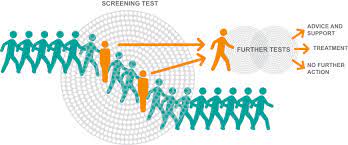
Screening: What It Can—and Cannot—Tell You
Screening is a way to look for a possible condition, risk, or relationship that may need further evaluation. The word is used in many settings, from routine health care to genetic testing. Understanding what a screening test is designed to do can help people decide what questions to ask and what steps to take next.
Screening Is Not the Same as Diagnosis
A screening test generally identifies whether additional testing may be appropriate. It does not always provide a definite answer. A positive result may indicate a higher likelihood of a condition or finding, but it does not necessarily confirm it. A negative result can lower concern without ruling out every possibility.
When a screening result raises questions, a health care professional may recommend a diagnostic test or other follow-up. The right next step depends on the test, the person’s circumstances, and the reason screening was done.
Genetic Screening and Paternity Testing Serve Different Purposes
Genetic screening may look for inherited health conditions or estimate a person’s chance of passing on certain genetic changes. Paternity testing, by contrast, compares DNA markers to assess whether a tested man is a child’s biological father. These tests answer different questions, and one should not be assumed to provide the information offered by the other.
For paternity questions, the type of test matters. A home test may be intended for personal information, while a test used in a legal matter may require verified identities, documented sample collection, and specific procedures for handling samples. Anyone who needs a result for a court or government process should confirm the requirements with the relevant authority or a qualified professional before testing.
Questions to Ask Before a Screening Test
- What is the test designed to detect or evaluate?
- What do positive, negative, or inconclusive results mean?
- Could the result lead to additional testing or decisions?
- How will samples and personal information be handled?
- Is the test appropriate for personal use, medical care, or a legal process?
- Who can explain the results and discuss possible next steps?
Consider Privacy, Consent, and Support
Screening can involve sensitive health or family information. Before providing a sample or personal details, review the provider’s privacy practices and understand who may receive the results. For genetic testing, it can also be helpful to ask how the findings might affect relatives or raise unexpected questions about biological relationships.
When a screening result is confusing or upsetting, avoid making major decisions based on a brief summary alone. Ask the testing provider or an appropriate professional to explain the result, its limitations, and any recommended follow-up. Clear information can help individuals and families make decisions that fit their needs.
Understanding Screening: Key Questions and Answers
- What is a screening assessment?
- What are the three types of screening?
- What is in a screening test?
- What is screening?
- What are the 3 types of screening?
- What is the meaning of screening?
- What is the purpose of screening?
What is a screening assessment?
A screening assessment is an initial review used to identify whether a person may need further evaluation, support, or testing. It may involve questions, a brief interview, or a preliminary test, depending on the situation. Screening can help determine appropriate next steps, but it is not usually a diagnosis or a final determination; any results should be interpreted in context, and additional assessment may be recommended.
What are the three types of screening?
The three commonly recognized types of screening are **universal**, **selective**, and **multiphasic**. Universal screening is offered to everyone in a defined group, while selective screening is aimed at people with particular risk factors. Multiphasic screening uses several tests at the same time to check for multiple conditions or concerns. The terms can vary by field, so the exact categories depend on the screening program.
What is in a screening test?
What’s included in a screening test depends on its purpose. A genetic or paternity screening may involve collecting a DNA sample, typically with a cheek swab, analyzing selected genetic markers, and providing a report with the results and their limitations. Before testing, check what the test covers, how samples and personal information are handled, and whether the results are intended for personal information or can be used for legal purposes.
What is screening?
Screening is an initial check used to identify a possible condition, risk, or issue that may need a closer look. A screening result is not always a diagnosis or a definitive answer; depending on the type of screening, follow-up testing or professional guidance may be needed to understand what the results mean.
What are the 3 types of screening?
The three commonly described types of health screening are mass screening, which offers a test to a broad population; selective or high-risk screening, which targets people with particular risk factors; and multiphasic screening, which uses several tests at once to look for different conditions. The terminology can vary by medical field, so ask the provider what kind of screening is being offered and what its results can—and cannot—show.
What is the meaning of screening?
Screening is a preliminary check used to identify whether a person, condition, or situation may need closer evaluation. A screening result can point to a possible concern, but it does not always provide a definitive answer or diagnosis; follow-up testing or professional guidance may be needed.
What is the purpose of screening?
The purpose of screening is to check for a potential condition, risk, or other finding before symptoms appear or a concern is confirmed. Screening can help identify when further evaluation may be useful, but it is not always a diagnosis and may not provide a definitive answer. A qualified professional can explain what a specific screening test can—and cannot—show and recommend appropriate next steps.