
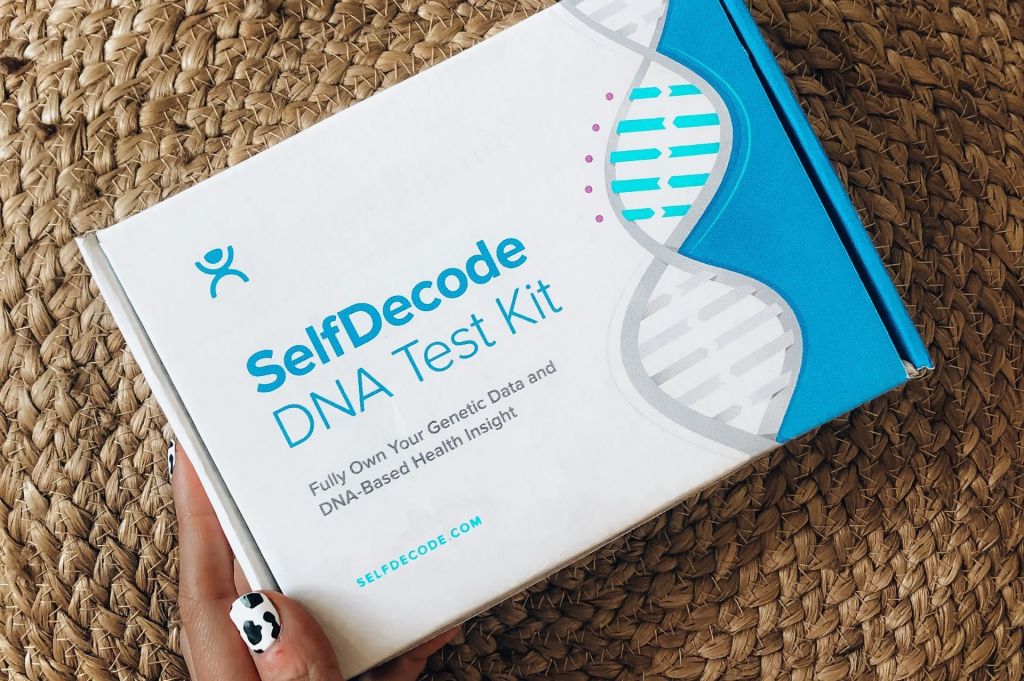
The Rise of Self DNA Testing: Understanding the Benefits and Considerations
In recent years, self DNA testing has gained popularity as a convenient and accessible way for individuals to learn more about their genetic makeup. These tests, which can be easily conducted at home using a simple saliva or cheek swab kit, provide valuable insights into one’s ancestry, health predispositions, and even potential genetic connections with others.
Benefits of Self DNA Testing
One of the key benefits of self DNA testing is the ability to uncover information about one’s heritage and ancestry. Many people use these tests to explore their genetic roots and discover more about their family history.
Additionally, self DNA testing can also provide valuable health-related information. By analyzing specific genetic markers, these tests can offer insights into potential risks for certain diseases or conditions, empowering individuals to take proactive steps towards better health.
Considerations Before Taking a Self DNA Test
While self DNA testing can be informative and fascinating, there are important considerations to keep in mind before deciding to take a test:
- Privacy Concerns: Understand the privacy policies of the testing company and how your genetic data will be stored and used.
- Emotional Impact: Results from a DNA test may reveal unexpected information or family connections that could have emotional implications.
- Accuracy: While most self DNA tests are reliable for ancestry purposes, health-related results should be interpreted with caution and verified by healthcare professionals.
The Future of Self DNA Testing
As technology continues to advance, self DNA testing is expected to become even more sophisticated and informative. Researchers are constantly uncovering new insights into the human genome, leading to more detailed and accurate test results for consumers.
Whether you are curious about your ancestry or interested in learning more about your health risks, self DNA testing offers a unique opportunity to explore your genetic blueprint from the comfort of your own home.
Top 7 FAQs About Self DNA Testing: What You Need to Know
- 1. How does self DNA testing work?
- 2. What information can I learn from a self DNA test?
- 3. Are self DNA tests accurate?
- 4. How is my privacy protected when I take a self DNA test?
- 5. Can a self DNA test reveal health risks or predispositions?
- 6. Will the results of a self DNA test impact my insurance coverage?
- 7. Are there any emotional considerations to keep in mind before taking a self DNA test?
1. How does self DNA testing work?
Self DNA testing works by analyzing the genetic material present in a sample of saliva or cheek cells collected using a test kit. The DNA in the sample is extracted and then processed to identify specific genetic markers that provide information about ancestry, health predispositions, and potential genetic connections with others. This analysis is typically done using advanced technology that can compare the individual’s genetic information with databases to generate personalized results. The insights gained from self DNA testing can offer individuals a deeper understanding of their genetic makeup and heritage.
2. What information can I learn from a self DNA test?
A self DNA test can provide valuable insights into various aspects of your genetic makeup. By taking a self DNA test, you can learn about your ancestry and ethnic origins, helping you uncover details about your family history and heritage. Additionally, these tests can offer information about potential health predispositions, highlighting any genetic markers associated with certain diseases or conditions. Some self DNA tests also provide details about traits such as eye color, hair texture, and more, giving you a glimpse into the genetic factors that make you unique.
3. Are self DNA tests accurate?
When it comes to self DNA tests, a common question that arises is, “Are self DNA tests accurate?” The accuracy of self DNA tests can vary depending on the type of test being conducted and the purpose for which it is being used. For ancestry testing, self DNA tests are generally considered to be reliable in providing information about one’s genetic heritage. However, when it comes to health-related results, it is important to approach them with caution and consider verifying the findings with healthcare professionals. Understanding the limitations and potential margin of error associated with self DNA testing can help individuals make informed decisions about their genetic information.
4. How is my privacy protected when I take a self DNA test?
When taking a self DNA test, ensuring the protection of your privacy is a valid concern. Companies that offer these tests typically have strict privacy policies in place to safeguard your genetic information. Your data is often encrypted and stored securely to prevent unauthorized access. Additionally, many companies allow you to control how your genetic data is shared and provide options for deleting your information if desired. It’s important to carefully review the privacy policies of the testing company before proceeding to understand how they handle and protect your sensitive genetic information.
5. Can a self DNA test reveal health risks or predispositions?
A self DNA test can indeed reveal certain health risks or predispositions based on the analysis of specific genetic markers. These tests can provide insights into potential genetic factors that may increase the likelihood of developing certain diseases or conditions. While self DNA testing can offer valuable information about health risks, it is important to interpret these results cautiously and consult with healthcare professionals for a comprehensive understanding of how genetic predispositions may impact individual health outcomes.
6. Will the results of a self DNA test impact my insurance coverage?
The results of a self DNA test may potentially impact your insurance coverage, as some insurance companies have started to consider genetic information when assessing risk and determining premiums. It is important to be aware of the laws and regulations in your region regarding the use of genetic data by insurance providers. In certain cases, disclosing genetic information from a self DNA test could lead to changes in your coverage or eligibility for certain policies. It is advisable to carefully review your insurance policies and consult with a professional before undergoing a self DNA test if you have concerns about its potential impact on your insurance coverage.
7. Are there any emotional considerations to keep in mind before taking a self DNA test?
Before undergoing a self DNA test, it is crucial to consider the potential emotional implications that may arise from the results. Discovering unexpected information about one’s ancestry or genetic predispositions can evoke a range of emotions, including surprise, joy, confusion, or even distress. Individuals should prepare themselves for the possibility of uncovering sensitive or life-changing details that could impact their sense of identity and family relationships. It is important to approach self DNA testing with a thoughtful and open mindset, understanding that the results may have profound emotional effects and seeking support from loved ones or professional counselors if needed.